12 Hairstyles for Thinning Hair Over 50

Introduction
Finding flattering hairstyles for thinning hair over 50 is less about hiding your hair and more about working with it, because the right cut can make fine, sparse strands look remarkably fuller. If your ponytail feels thinner than it used to, you are far from alone, and the encouraging news is that volume is mostly an illusion you can style into place. Layered bobs, textured pixies, and feathered crops lift the hair at the root and build movement where flat, one-length cuts fall limp. Below are twelve cuts for mature women with thinning hair, each designed to add fullness and frame your face softly. If you love lived-in texture, our Shaggy Hairstyles for Women Over 50 with Thin Fine Hair roundup pairs beautifully with several looks here.
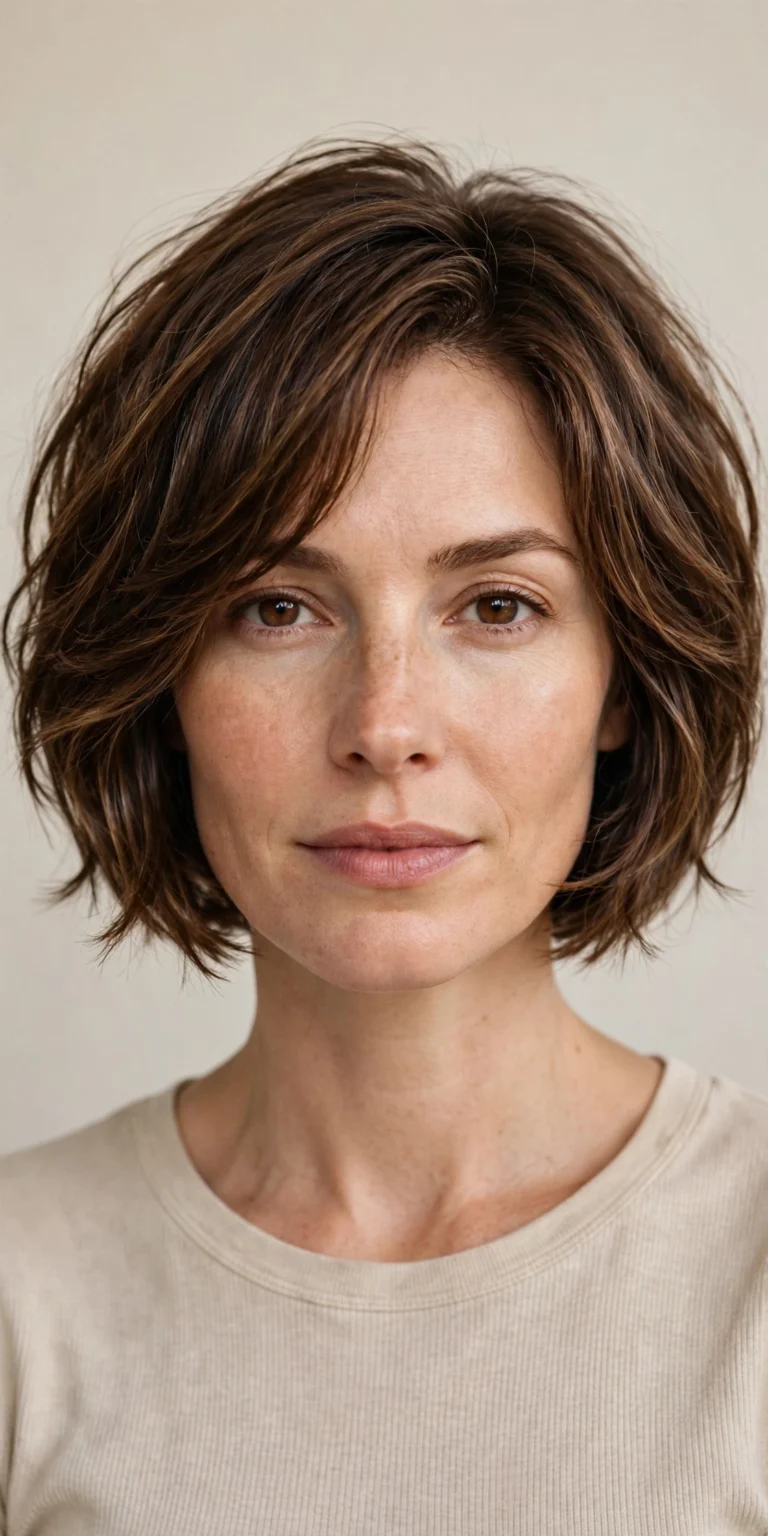
Soft Layered Bob That Thickens Thinning Hair Over 50
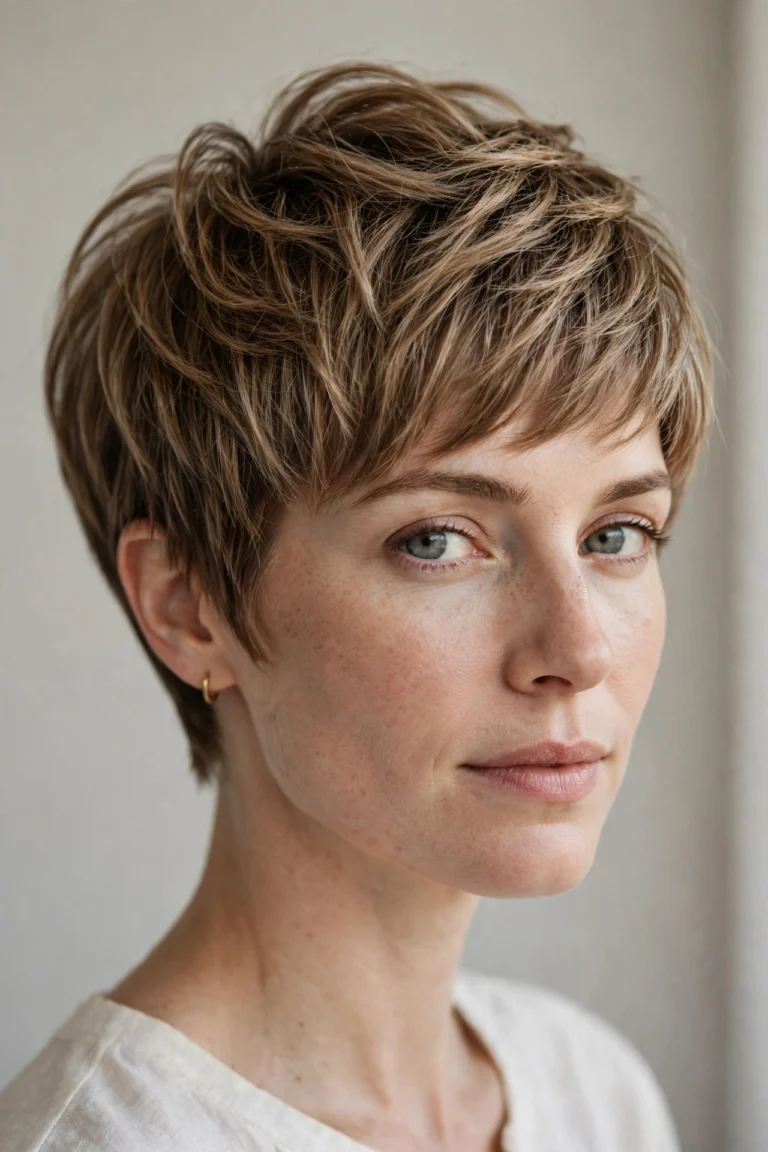
Cut to sit between the chin and the shoulders, this bob uses long, blended layers through the mid-lengths to create movement without sacrificing density. Shorter pieces at the crown give the roots a gentle lift, while the slightly rounded silhouette keeps the ends looking thick instead of straggly. It flatters oval, round, and heart-shaped faces equally, and suits straight to wavy textures beautifully. Women with a widening part love how the layers fall softly over the crown, disguising sparse spots while the overall shape reads lush and healthy. Soft face-framing pieces around the cheekbones keep the look feminine and youthful.
- Ask your stylist for a chin-to-shoulder bob with long blended layers.
- Blow-dry with a round brush, lifting each section up off the scalp.
- Flip your part to the opposite side weekly to retrain root volume.
- Finish with volumizing mousse scrunched lightly into the crown.
Tell your stylist you want density preserved at the perimeter, so they layer the interior rather than thinning the ends. At home, rough-dry upside down until eighty percent dry, then smooth the top layer with a medium round brush for polish. A light texturizing spray on dry hair adds grip that makes fine strands look thicker. Book a trim every six to eight weeks to keep the ends blunt, since ragged ends instantly make thinning hair look thinner. This bob grows out gracefully into a lob, so you never hit an awkward in-between stage, and the shape keeps looking deliberate for weeks.
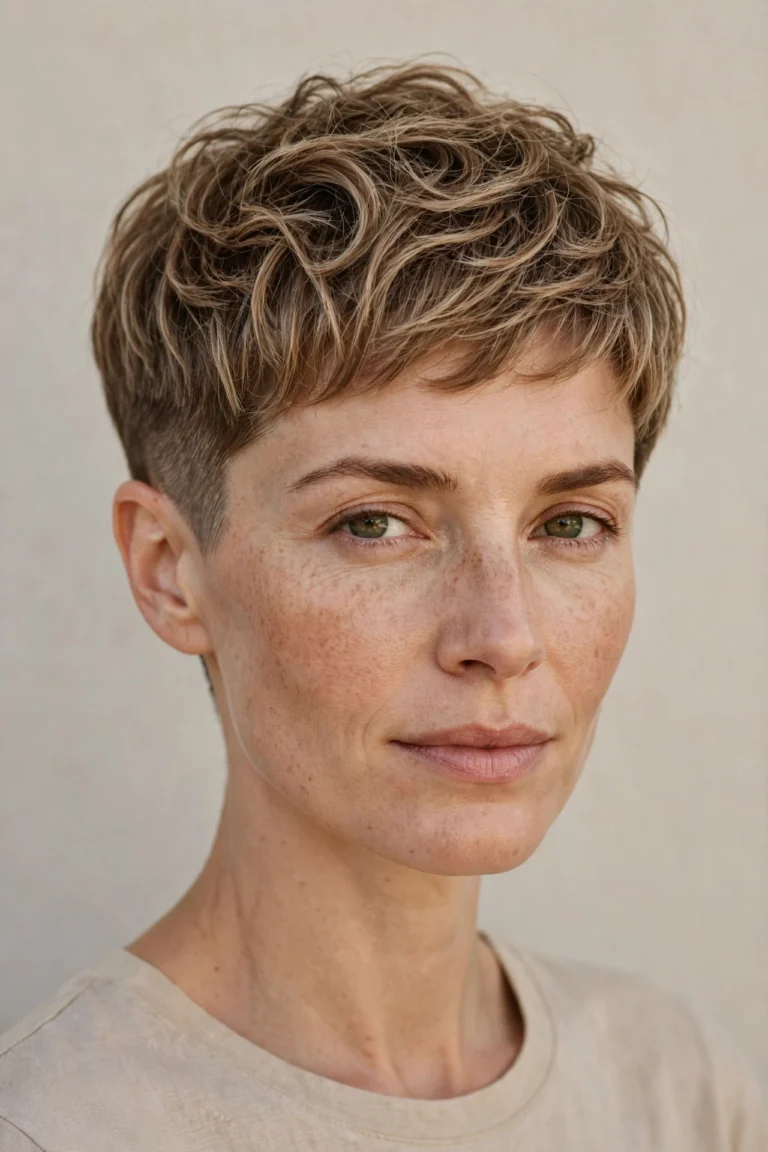
Textured Pixie With Long Crown Layers
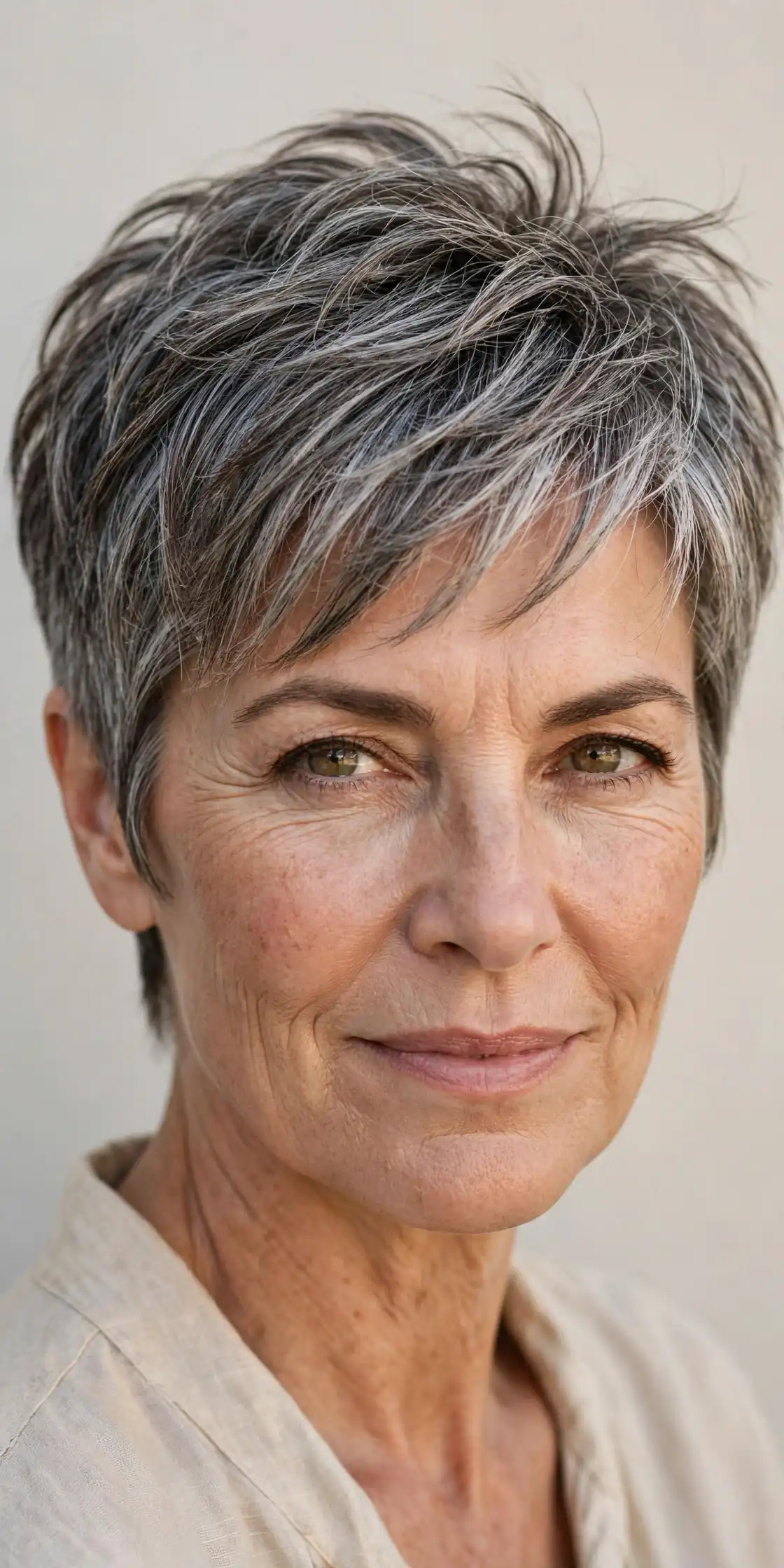
A textured pixie with long layers through the crown is one of the most transformative options for sparse hair, because removing weight lets what you have stand up and out. Instead of a severe short-all-over crop, this version keeps two to three inches of length on top while the sides and back are tapered close. That contrast creates height and coverage exactly where thinning shows first. It suits oval, square, and heart faces especially well, and gives straight or slightly wavy hair a piecey, modern texture. If longer hair has started looking stringy, this pixie often feels like a revelation, since every strand suddenly has a job to do. For more short inspiration, browse our Short Pixie Haircuts for Fine Hair collection.
- Apply volumizing mousse to damp roots before styling.
- Blow-dry the crown upward with your fingers for maximum lift.
- Piece out the top with a tiny bit of matte wax.
- Tuck one side behind the ear for an asymmetrical look.
Ask your stylist for a pixie with length left on top and soft, point-cut texture rather than blunt edges. At home this is a five-minute style: mousse, finger-dry, wax, done. A root-lifting spray applied before blow-drying makes a noticeable difference on very fine hair. Schedule trims every four to five weeks, since a pixie loses its shape quickly, but the payoff is a cut that always looks intentional. If you color your hair, keep the roots slightly darker than the ends, because shadow at the scalp reads as density. Between salon visits, a root touch-up spray in a matching shade keeps the grow-out looking fresh and intentional.
Wispy Feathered Crop With Airy Face-Framing Pieces
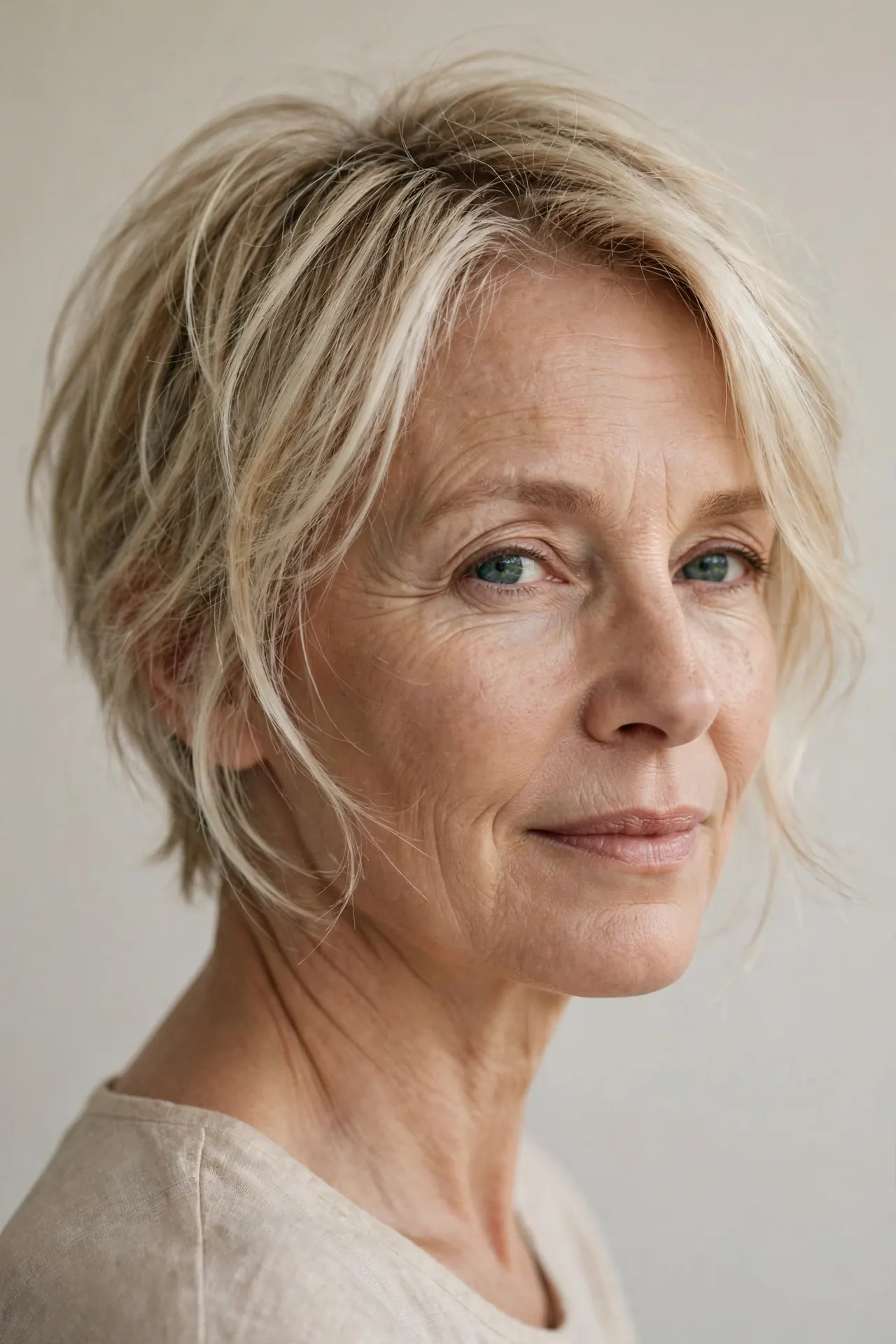
The wispy feathered crop brings back soft, feathered movement in a modern, textured form, and it is wonderfully forgiving on thinning hair. Fine, feathered layers are cut throughout so the hair falls in light, airy pieces rather than heavy sheets, which means sparse areas blend into the overall movement instead of standing out. The face-framing pieces are the star here: soft wisps around the temples and cheekbones draw the eye to your features and away from the crown. This cut flatters nearly every face shape. It is especially kind to women with thinning temples, because those wispy pieces provide gentle coverage exactly there.
- Blow-dry with a paddle brush, directing hair forward over the face.
- Flip the feathered ends outward with a flat iron for movement.
- Mist light-hold hairspray to keep wisps in place without stiffness.
- Refresh second-day hair with dry shampoo at the roots.
Ask your stylist for feathered layers with soft, razored ends rather than chunky layers, and request face-framing pieces that start at cheekbone level. Style with a lightweight volumizing spray instead of heavy creams, which collapse fine hair. Trim every six weeks to keep the feathering crisp, since grown-out feathers turn stringy fast. This crop pairs beautifully with soft highlights around the face, because lighter pieces catch the light and enhance the airy, full effect. If your hair is very straight, ask for the feathering to be cut slightly shorter through the crown, since extra lift on top balances the softness around the face beautifully.
Shaggy Mid-Length Cut With Curtain Bangs
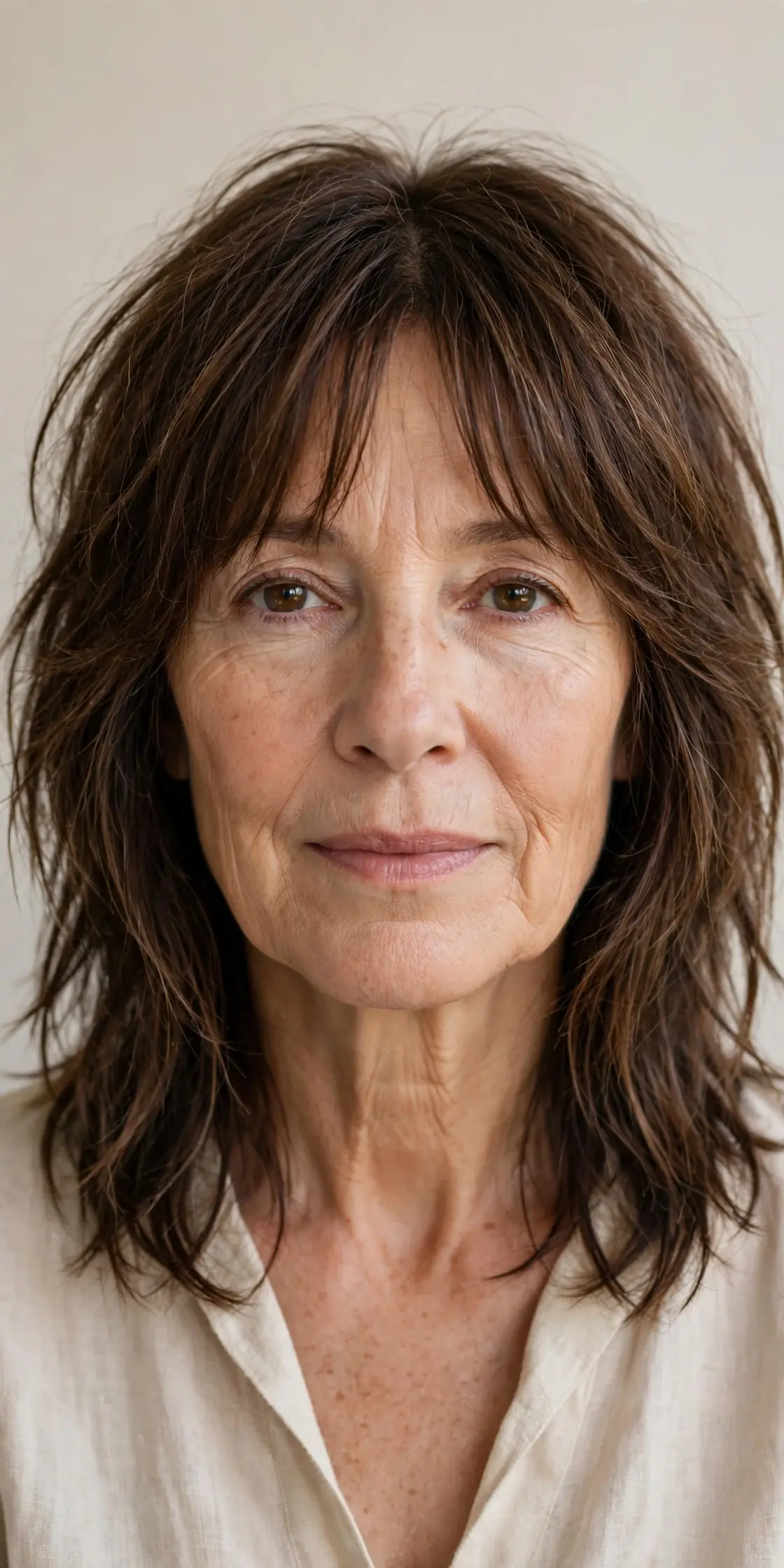
A shaggy cut with curtain bangs is pure volume engineering for fine hair: choppy layers, flicked ends, and face-framing bangs all working together to create the illusion of thickness. The shag’s signature texture breaks the hair into dozens of small pieces, and each piece casts a tiny shadow on the one beneath it, which the eye reads as density. Curtain bangs add fullness across the forehead and disguise a thinning hairline beautifully, parting softly in the middle so they never look heavy. Keeping the length around the collarbone means the hair stays short enough to hold volume but long enough to feel feminine and versatile.
- Scrunch mousse into damp hair from the mid-lengths upward.
- Diffuse on low heat while scrunching to encourage texture.
- Twist random sections around your finger to define the pieces.
- Flip your head upside down and finger-comb to finish.
Ask your stylist for a collarbone-length shag with plenty of internal texture and curtain bangs that hit the cheekbones. If your hair is stick-straight, a few bends with a curling wand on alternating sections will fake the shag’s movement. Avoid heavy conditioners on the roots and condition from the ears down only. Trim every seven to nine weeks to maintain the choppy shape. This is one of the lowest-maintenance volume cuts available, since the whole point is perfectly imperfect texture. On non-wash days, revive the shag with a spritz of water and a quick scrunch, which reactivates the mousse and brings the piecey volume right back.
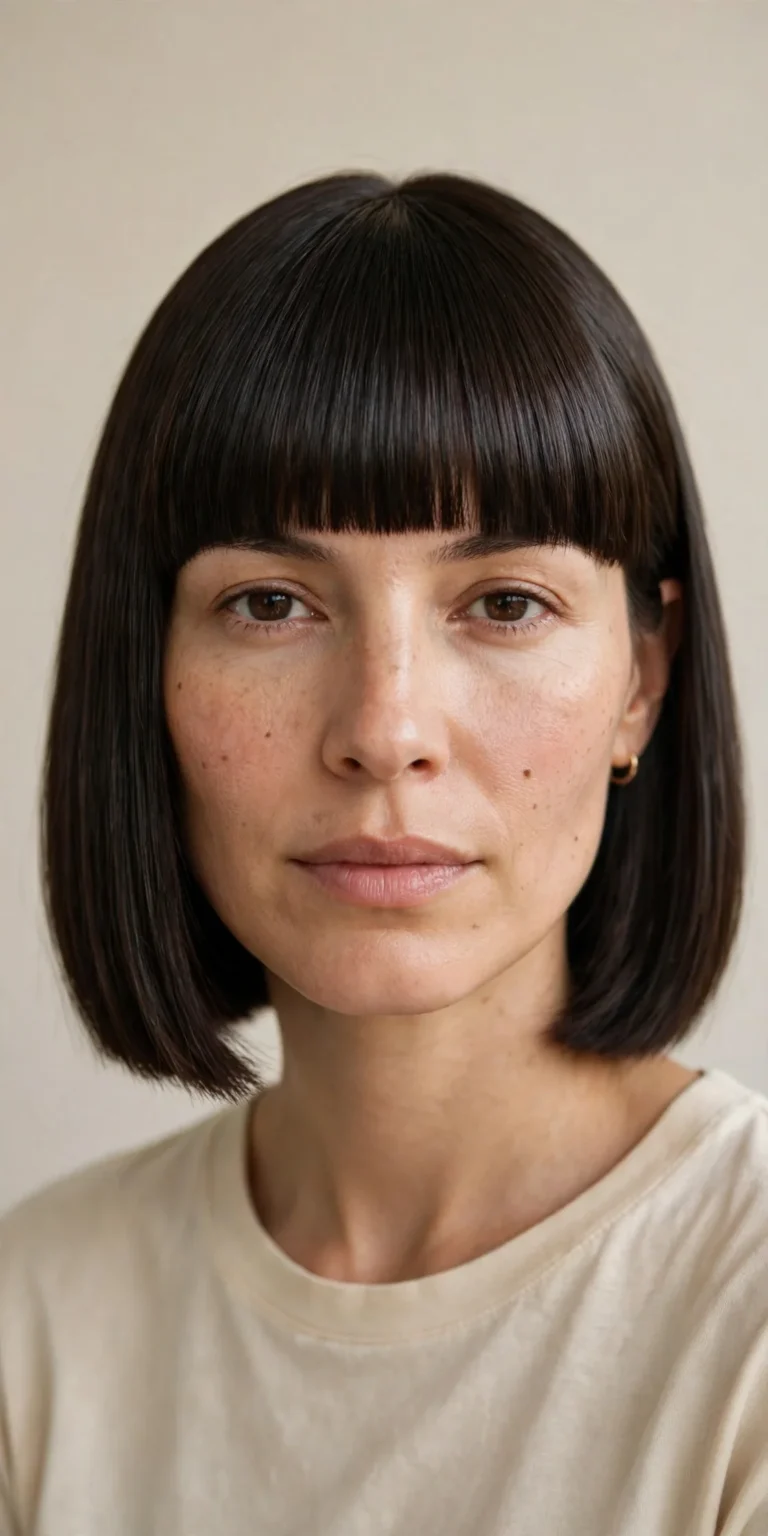
Rounded French Bob With a Deep Side Part
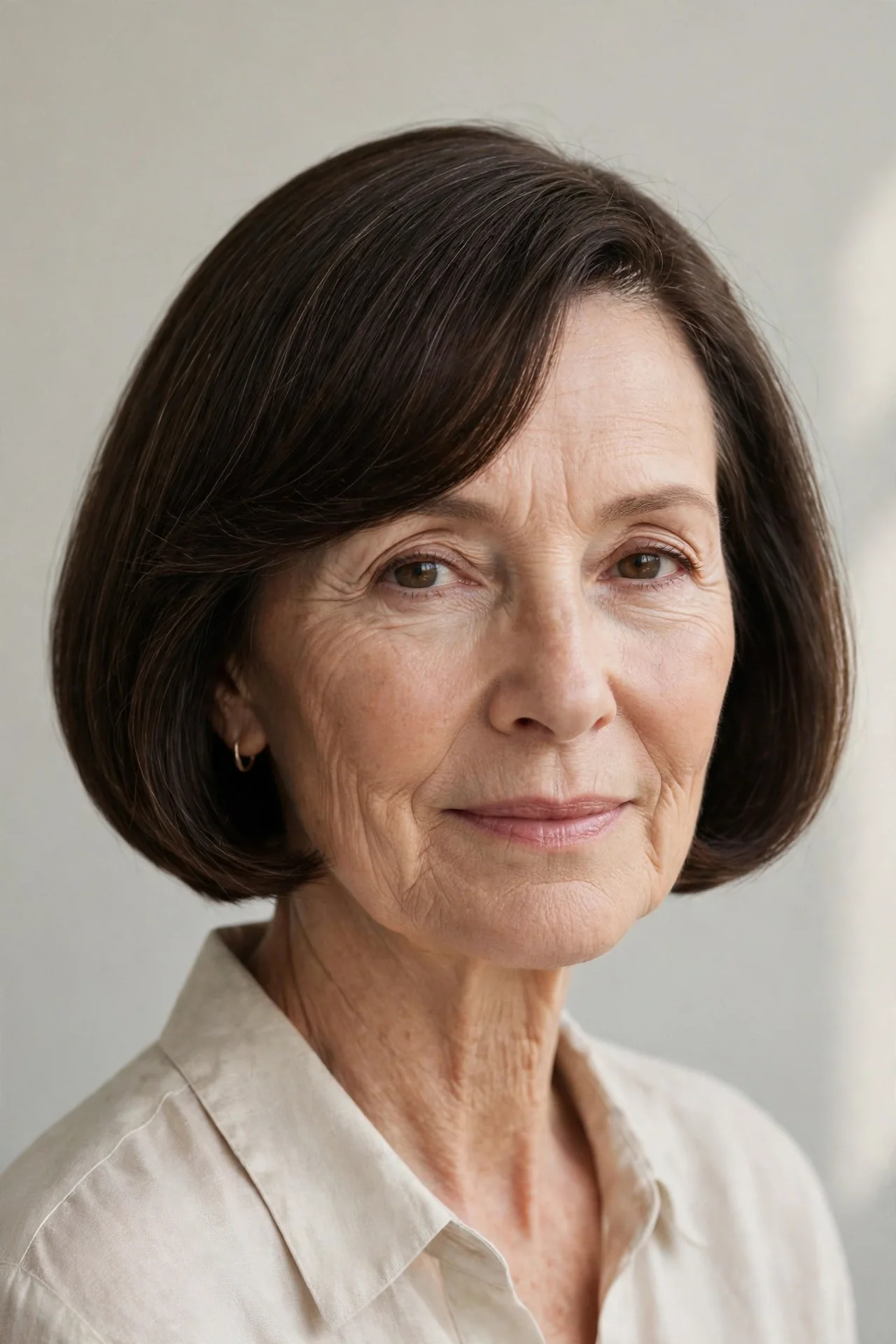
The French bob — chin-length, slightly rounded, with a soft undercut feel — is a chic secret weapon for thinning hair, and a deep side part multiplies its volumizing power. Sweeping the hair dramatically to one side instantly creates lift along the part, covering the crown where thinning shows most. The rounded shape stacks fullness around the jawline, making the ends look thick and deliberate rather than wispy. This cut is stunning on oval, heart, and square faces, and the deep part softens a high forehead beautifully. Straight to slightly wavy textures work best here. There is an effortless elegance to this look that reads confident and polished at any age.
- Part your hair deeply on one side while still damp.
- Blow-dry roots in the opposite direction first, then sweep over.
- Smooth the ends under with a round brush for the rounded shape.
- Set everything with a cool shot from the dryer.
Ask your stylist for a chin-length bob with a softly rounded shape and minimal layering, since the fullness here comes from the shape rather than layers. A deep side part needs training, so commit to parting it the same way for two weeks until it falls naturally. Use a smoothing serum only on the very ends to keep the perimeter looking thick. Trim every five to six weeks to preserve the precise shape. Tuck the shorter side behind your ear for an asymmetrical finish that shows off cheekbones. A silk scarf tied loosely at night keeps the smooth shape intact, so your morning routine stays under five minutes.
Choppy Pixie-Bob for Fine Thinning Hair Over 50
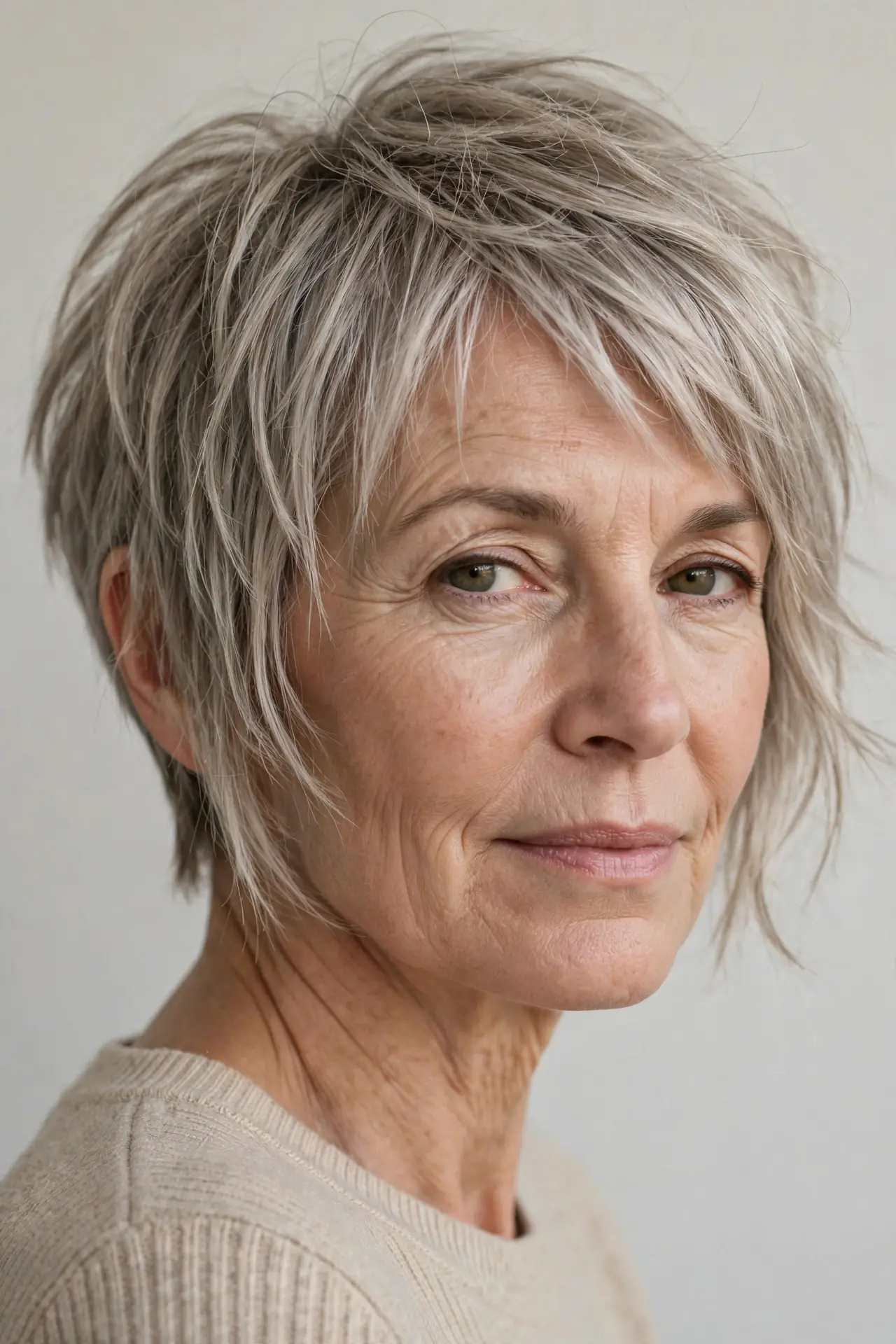
The pixie-bob lands in the sweet spot between a pixie and a bob, and it is one of the cleverest hairstyles for thinning hair over 50 because it borrows volume tricks from both. Shorter through the back like a pixie, it keeps three to five inches of length around the face and crown for coverage and styling versatility. Choppy, point-cut ends create texture that makes fine hair look instantly thicker, while the tapered nape keeps the silhouette neat and modern. This hybrid flatters most face shapes and works on straight to curly textures. If a full pixie feels too bold but long hair has gone limp, the pixie-bob is the perfect middle ground that still delivers serious fullness.
- Work texturizing paste through dry hair, focusing on the crown.
- Blow-dry with a vent brush, lifting roots straight up.
- Alternate the direction of the top pieces for separation.
- Ruffle the nape with your fingers for a soft finish.
Ask your stylist for a bixie with a tapered back, length through the crown, and heavily textured ends, and bring a photo since this cut varies widely. Styling takes under ten minutes: paste, lift, ruffle, done. A sea-salt spray on damp hair adds the grit fine hair needs for volume. Trim every five weeks to keep the nape clean and the shape defined. Consider subtle highlights on the top layers, since dimension between light and dark pieces is one of the fastest ways to fake thickness. If humidity is an issue where you live, a pea-sized amount of anti-frizz cream on the ends keeps the texture piecey instead of puffy.
Tousled Lob With Blunt Ends and Hidden Layers
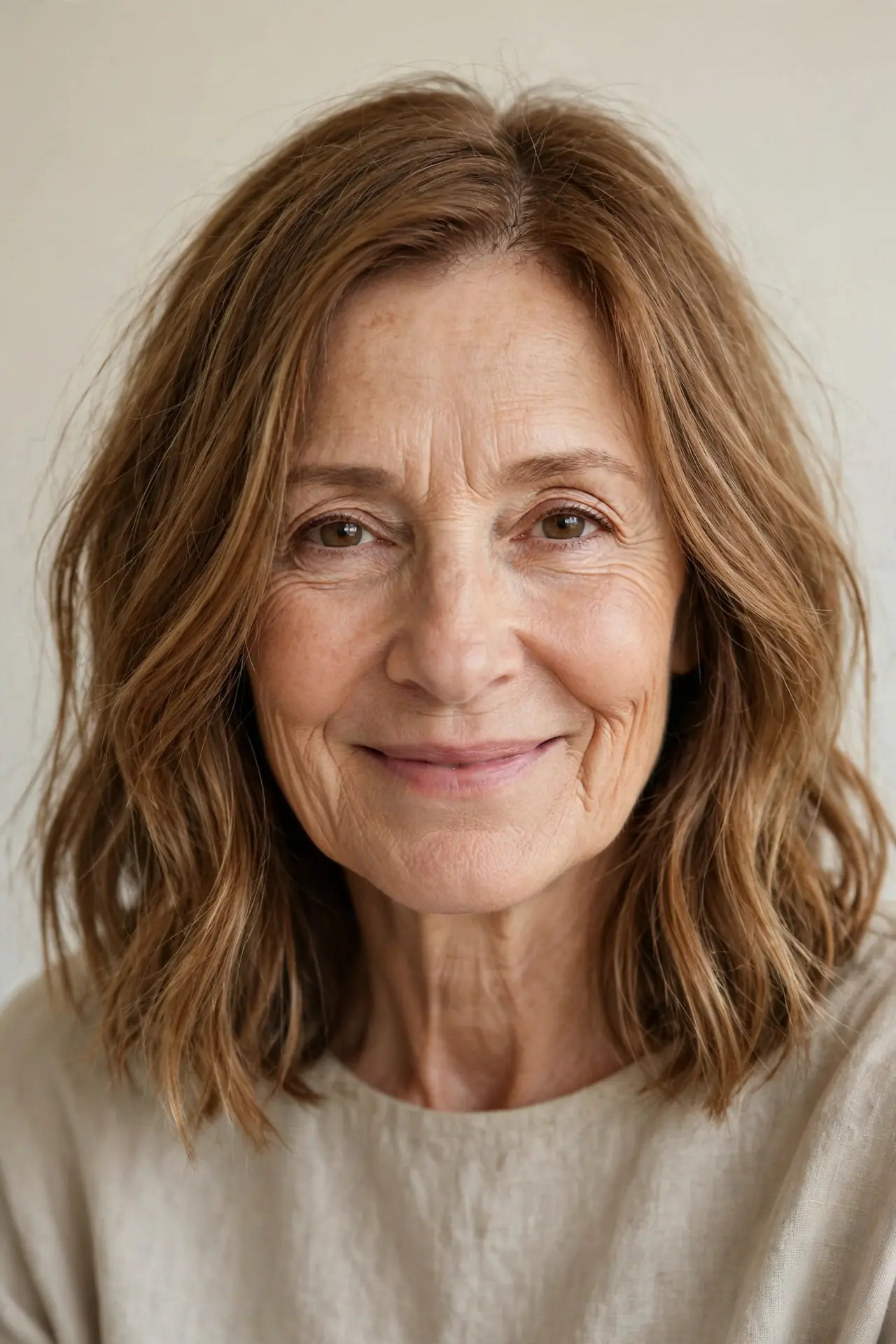
The tousled lob proves you do not have to go short to get volume — you just have to cut smart. This shoulder-grazing cut keeps the perimeter blunt, which makes the ends look as thick as possible, while invisible internal layers remove just enough weight for the hair to move and lift. The result reads as one thick, healthy sheet of hair with natural body rather than obvious layers. It suits every face shape and texture, making it the most versatile cut here. Women who are attached to their length but frustrated by flat, lifeless hair find this lob the ideal compromise, since it keeps the length while completely changing how full the hair behaves.
- Apply volumizing mousse to roots and light cream to ends.
- Blow-dry with a large round brush, rolling sections away from the face.
- Create loose waves with a one-inch iron, leaving ends straight.
- Break up waves with fingers and a mist of texture spray.
Ask your stylist for a lob with a blunt perimeter and internal layering you cannot see, emphasizing that you want the ends to look thick. The styling secret is leaving the last inch of each wave straight, which keeps the ends looking blunt and full. Sleep on a silk pillowcase to preserve the tousle for second-day hair. Trim every eight to ten weeks, since blunt ends forgive slightly longer intervals. This lob is also the easiest length for updos, so you lose none of your styling options. For extra root lift on important days, set the crown in two large Velcro rollers while you do your makeup, then shake them out.
Voluminous Curly Crop With Tapered Sides
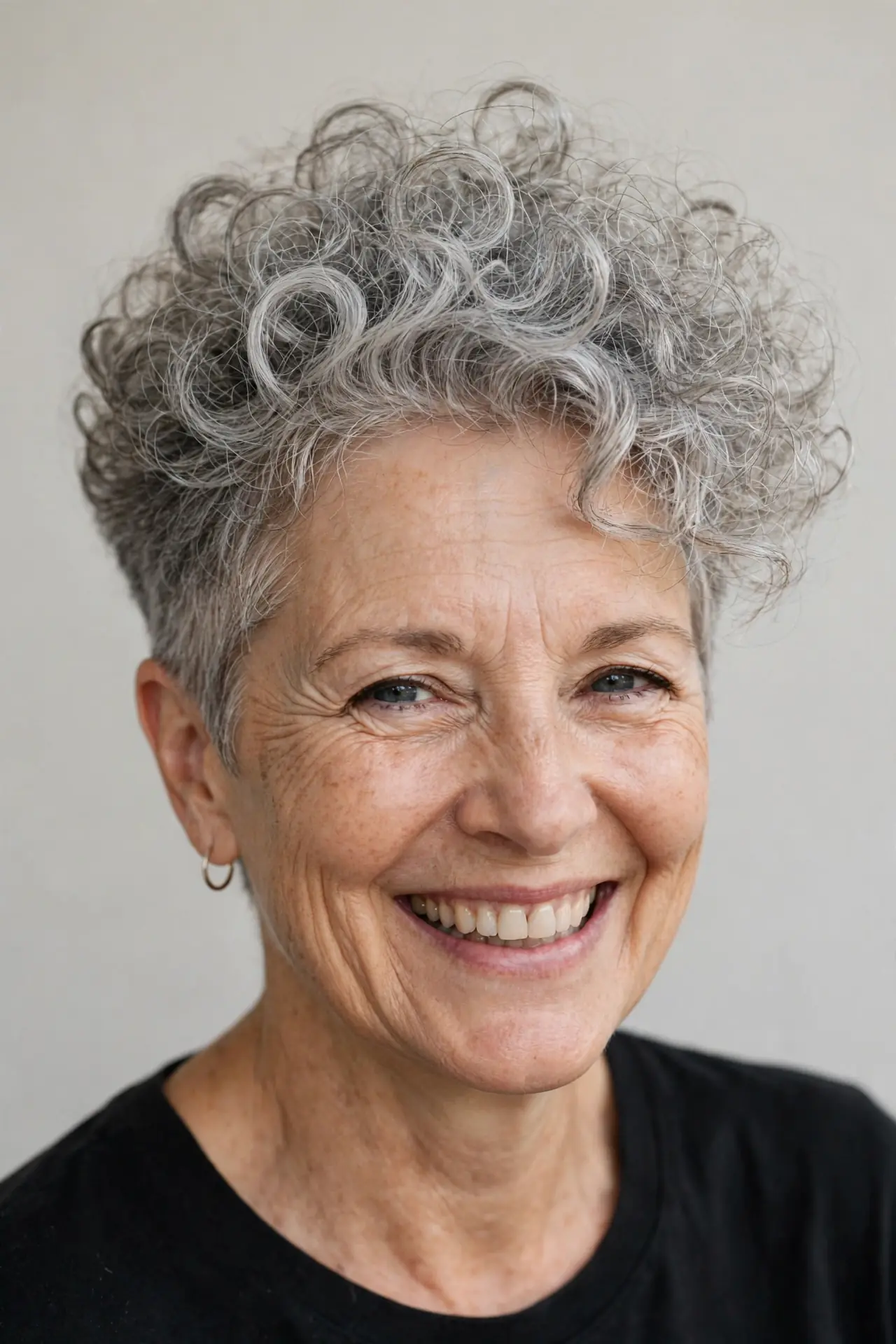
If your thinning hair has natural curl or wave, a curly crop with tapered sides turns your texture into a volume advantage instead of a frizz problem. Keeping three to five inches of curl on top lets your natural pattern spring up and out, creating genuine fullness that straight hair can only imitate. The tapered sides and nape remove bulk where you do not need it, so all the visual weight sits on top where it disguises thinning beautifully. It flatters most face shapes and loves wavy to curly textures. Embracing the curl usually means less heat styling, which is kinder to fragile, thinning strands in the long run.
- Apply curl cream to soaking-wet hair in small sections.
- Scrunch upward with a microfiber towel to encourage curls.
- Diffuse on low heat, cupping sections upward toward the scalp.
- Pick the roots gently once fully dry for extra lift.
Ask your stylist for a curly crop with tapered sides, and have them cut it dry or stretch the curls first so the length does not surprise you. Curly hair needs trims only every eight to twelve weeks. Refresh second-day curls with a water-and-conditioner mist rather than re-wetting completely. If you notice increased shedding alongside the thinning, read up on common causes from a trusted source like the American Academy of Dermatology and mention it to your doctor or dermatologist, since styling can only do so much and early professional advice matters. A satin bonnet or pillowcase at night protects fragile curls from breakage while you sleep.
Stacked A-Line Bob With Graduated Back
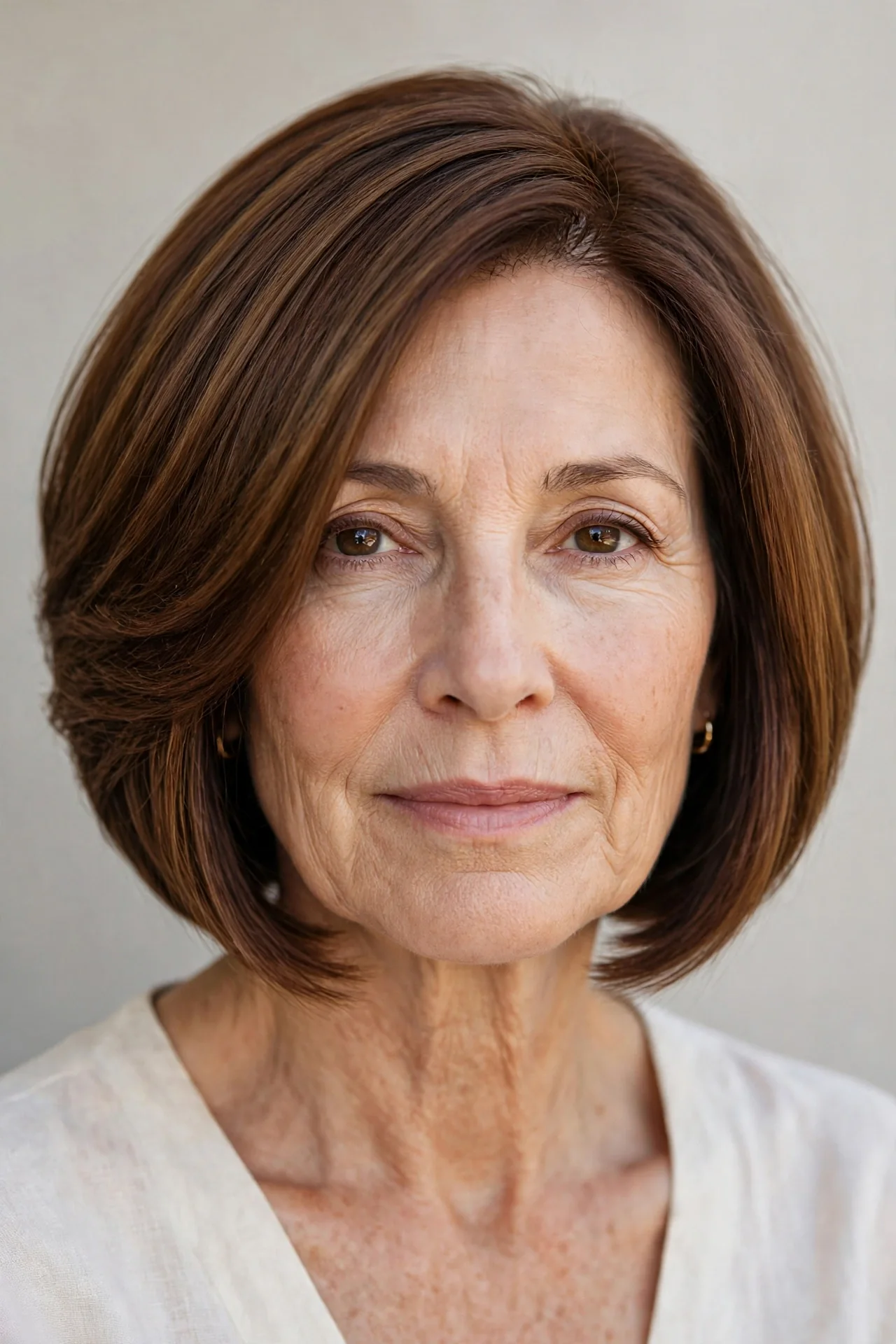
The stacked A-line bob builds volume architecturally: graduated layers at the back create a rounded, full shape that makes even sparse hair look abundant from every angle. Shorter at the nape and angling longer toward the chin, this cut piles hair on top of hair at the back of the head, exactly where fine hair tends to lie flat. The longer front pieces slim the face and keep the look modern rather than dated. It suits most face shapes and straight to wavy textures. Women with thinning at the crown adore this cut because the stacked back provides built-in coverage and lift that needs almost no styling effort.
- Blow-dry back sections upward with a round brush for maximum stack.
- Smooth the front pieces forward and under for the angled finish.
- Apply root-lifting spray to the crown before drying.
- Polish front lengths with a flat iron, never the stacked back.
Ask your stylist for a stacked bob with strong graduation at the nape angling to chin-length in front, and be clear you want the stack rather than just layers. This cut does most of the work itself, so styling can be as simple as a quick round-brush dry. A volumizing powder dusted into the crown adds all-day lift with zero stickiness. Trim every five to six weeks, since the graduated shape grows out unevenly. Between appointments, leave the nape alone and let your stylist handle the cleanup. To keep the stacked shape crisp between cuts, blow-dry the back upward every morning, which takes less than three minutes.
Side-Swept Bangs Over 50 That Conceal Thinner Temples
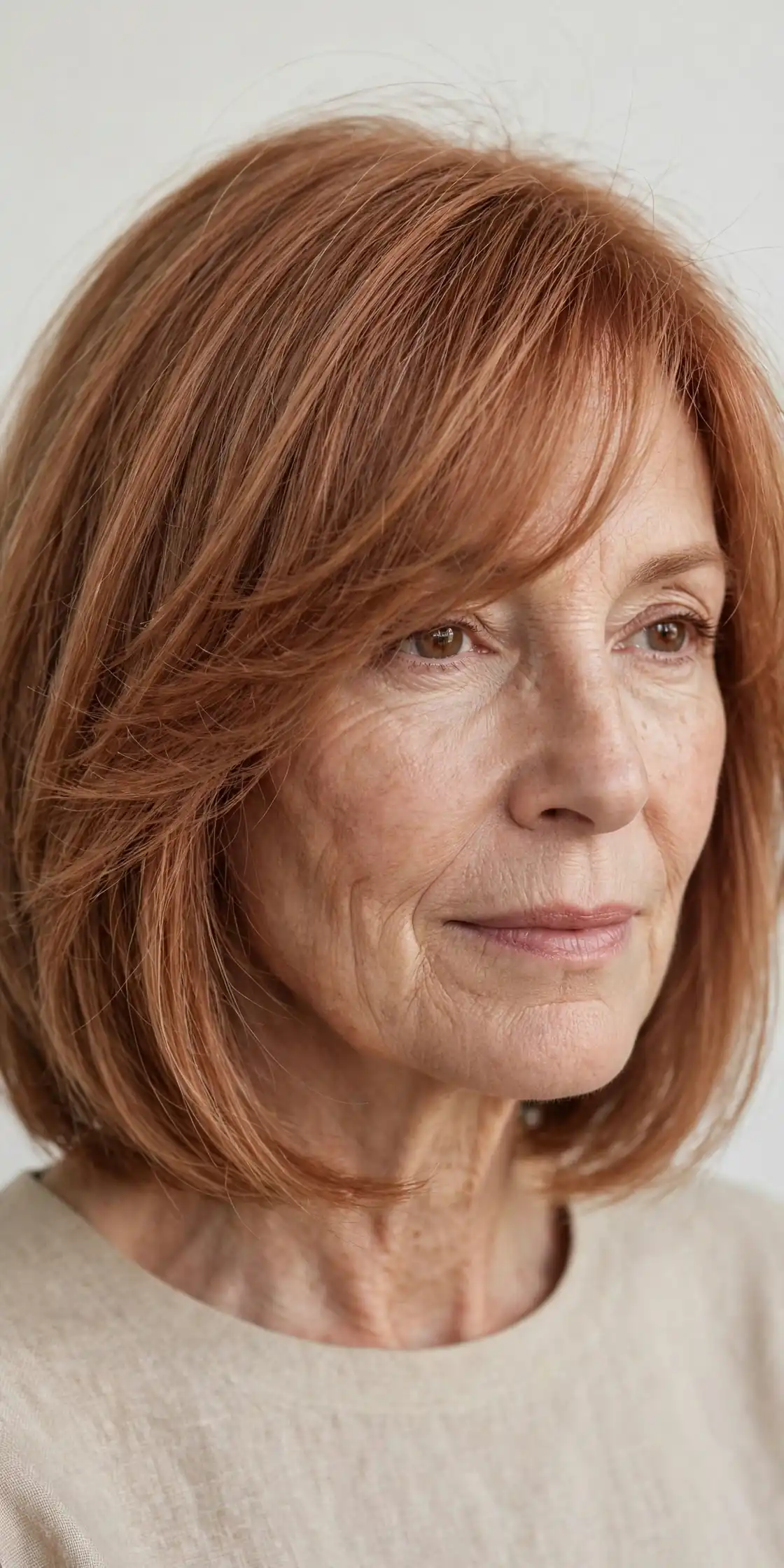
Sometimes the smartest of the hairstyles for thinning hair over 50 is not a whole new cut but a strategic fringe: side-swept bangs that cross the forehead and cover thinning temples in one move. Cut long, grazing the cheekbones, and swept to one side, these bangs add a curtain of hair exactly where many women over fifty notice sparseness first. They blend seamlessly into the layers around the face, so they never look like a separate, obvious bang. This addition works with bobs, lobs, pixies, and longer cuts. Not ready for a big chop? Side-swept bangs deliver an immediate fullness upgrade with minimal risk.
- Blow-dry bangs to the side with a small round brush.
- Train new bangs by clipping them in place while damp.
- Sweep them across the forehead, never straight down.
- Trim just the bangs every three weeks to maintain length.
Ask your stylist for long, side-swept bangs that blend into your face-framing layers, starting at about cheekbone length. Bangs on thinning hair need a light touch with product: a tiny amount of dry shampoo at the bang roots keeps them from separating into wisps. If your forehead runs oily, blot before styling so the bangs stay fluffy. Grow-out is painless, since long side-swept bangs simply become face-framing layers. Pair them with a fresh layered cut and the combination reads as a whole new head of thicker hair. In humid weather, a light mist of anti-humidity spray keeps the bangs from clinging to your forehead.
Layered Pixie With a Tapered Nape
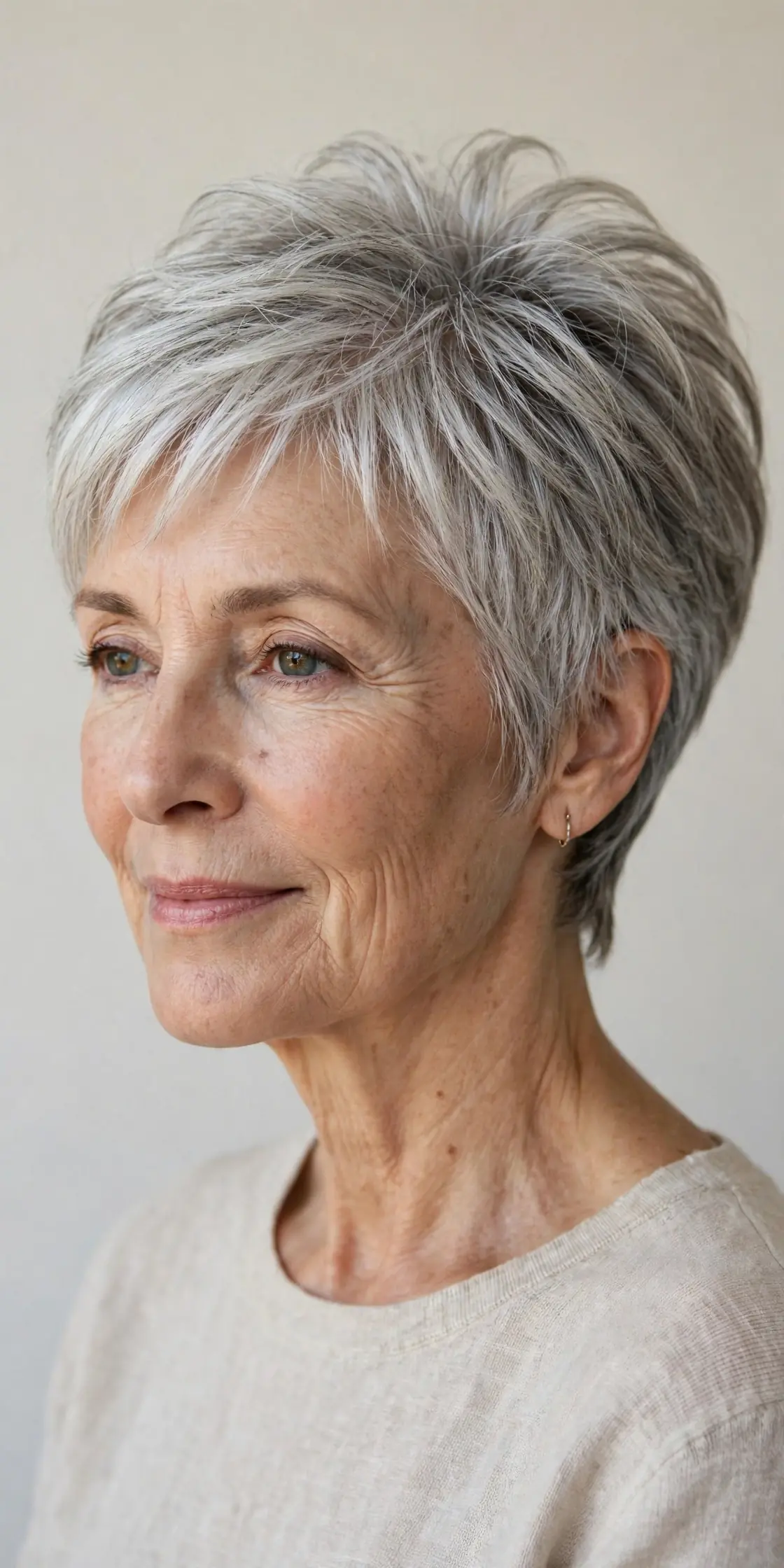
The layered pixie with a tapered nape is the precision-engineered answer to thinning hair: every layer is placed to create lift, and the clean tapered neckline makes the top look fuller by contrast. Layers are cut progressively shorter toward the crown so the hair naturally stands away from the scalp, building height that disguises sparse areas. The tapered nape, softly faded rather than harshly buzzed, keeps the silhouette feminine and elegant from behind. This cut suits most face shapes and straight to wavy textures. It is also one of the most wash-and-go options here, which matters when you want to look polished without a twenty-minute routine every morning.
- Towel-dry, then apply root-boosting foam at the scalp.
- Blow-dry the top forward and up with your fingers.
- Define a few crown pieces with a little fiber cream.
- Smooth the tapered nape with the cool dryer setting.
Ask your stylist for a pixie with stacked layers at the crown and a softly tapered nape, specifying feminine rather than severe. This cut thrives on texture, so do not let anyone cut it blunt. A colored root touch-up every few weeks keeps the grow-out looking intentional, since short cuts show roots fast. Trim every four weeks to maintain the taper. Many women find this pixie so liberating they never return to longer hair: it frames the face, shows off cheekbones, and makes getting ready genuinely effortless. A weekly clarifying shampoo removes product buildup at the roots, which is the fastest way to keep fine pixie hair bouncy.
Dimensional Silver Blonde Bob for Thinning Hair Over 50
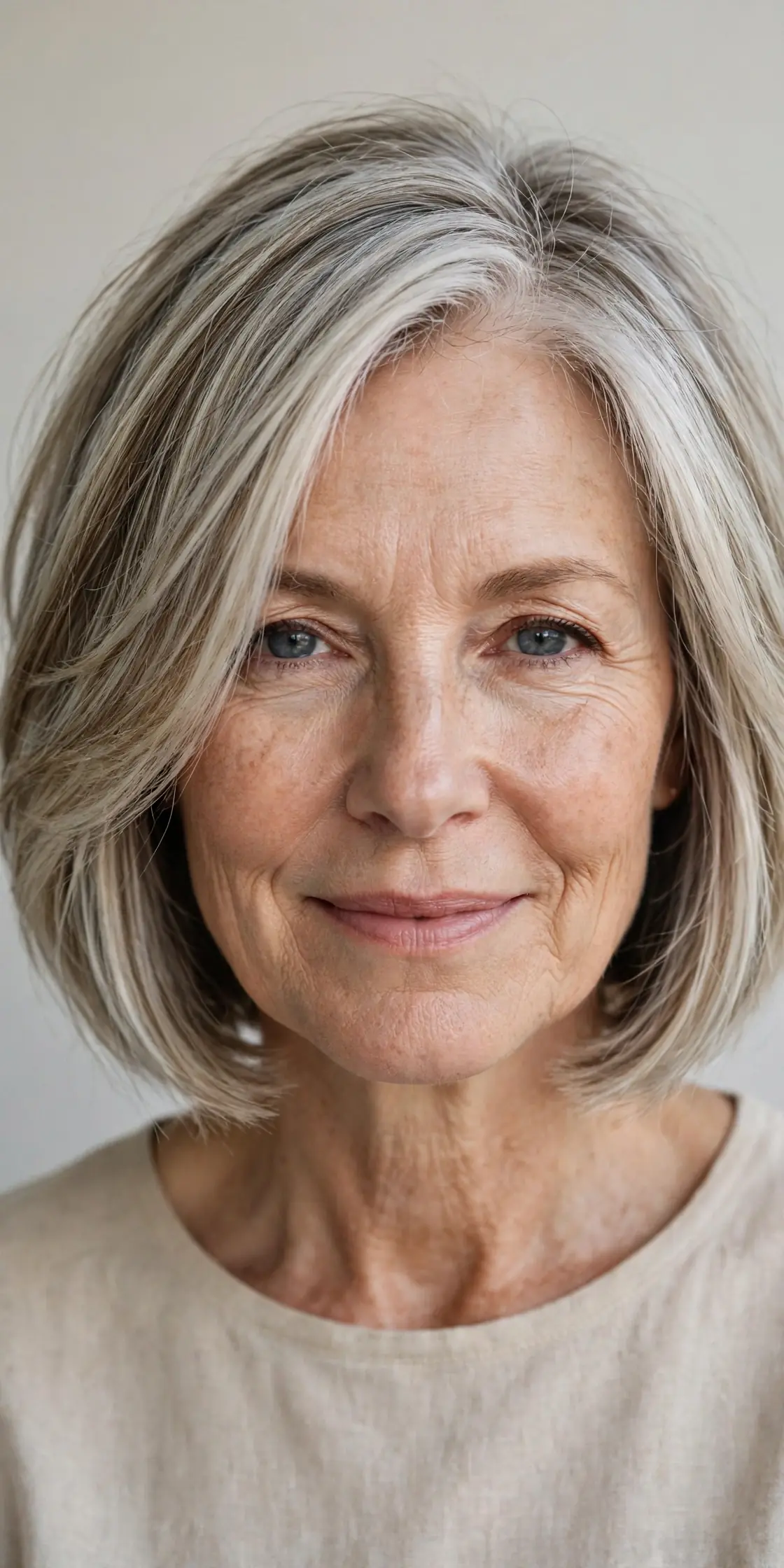
Color can be as powerful a volumizer as any cut, and this dimensional silver-blonde bob proves it: woven highlights, lowlights, and your natural silver work together to create depth that the eye reads as thickness. The bob itself sits at chin to neck length with soft layers, but the magic is in the multi-tonal color — ribbons of brighter blonde and deeper shadow tones that make each strand cast dimension onto the next. This works gorgeously whether you are fully silver, transitioning to gray, or keeping a blonde you love. Embracing silver with intentional, salon-crafted dimension looks modern and luminous rather than washed out.
- Blow-dry with a round brush, overdirecting sections for lift.
- Use purple shampoo once weekly to keep silver tones bright.
- Apply glossing serum to mid-lengths for light-reflecting shine.
- Flip your part occasionally to show the dimension fully.
Ask your colorist for dimensional color — babylights plus a few lowlights two shades deeper than your base — rather than a single flat shade. If you are growing out gray, this technique blends the line of demarcation beautifully. Purple shampoo prevents yellowing but can dry fine hair, so follow with a lightweight mask on the ends. Refresh the toner every six to eight weeks to keep the dimension crisp. Pair this color with a soft layered bob cut and you have a complete strategy: shape plus shade working together. Book your color and cut with the same stylist when possible, so the layers are placed to show off the dimension.
Conclusion
The most flattering hairstyles for thinning hair over 50 all share one philosophy: work with the hair you have and let smart cutting do the heavy lifting, because volume is a skill, not a gift. Whether you choose the architectural fullness of a stacked bob, the carefree texture of a shag, or the bold lift of a pixie, the right shape can make fine hair look twice as thick while framing your face in the most flattering way. Bring photos to your stylist, be honest about how much daily effort you will really put in, and do not be afraid to go shorter than feels safe — shorter almost always reads fuller. And if you want even more mature-hair inspiration, our Haircuts for Women Over 70 with Natural Volume roundup proves that gorgeous volume has no age limit whatsoever.