10 Trending Haircuts for a Fresh and Stylish Look
Long-lasting hairstyle inspiration usually comes down to finding a haircut that feels current while still working naturally with your hair texture, face shape, and daily routine. The latest trending haircuts offer plenty of variety, from soft layered cuts and textured bobs to modern shags, polished lobs, and face-framing styles. Some create noticeable movement and volume, while others focus on clean lines and effortless styling. The best part is that a trendy haircut does not have to feel difficult to maintain. Small changes in layers, bangs, length, or texture can completely refresh your appearance without requiring a dramatic transformation. Whether you want something soft and feminine, edgy and textured, or sleek and polished, these haircut ideas give you plenty of inspiration to consider. Save your favorites, think about how they would work with your natural hair, and use them as references when planning your next haircut.
Soft Layered Lob Cut
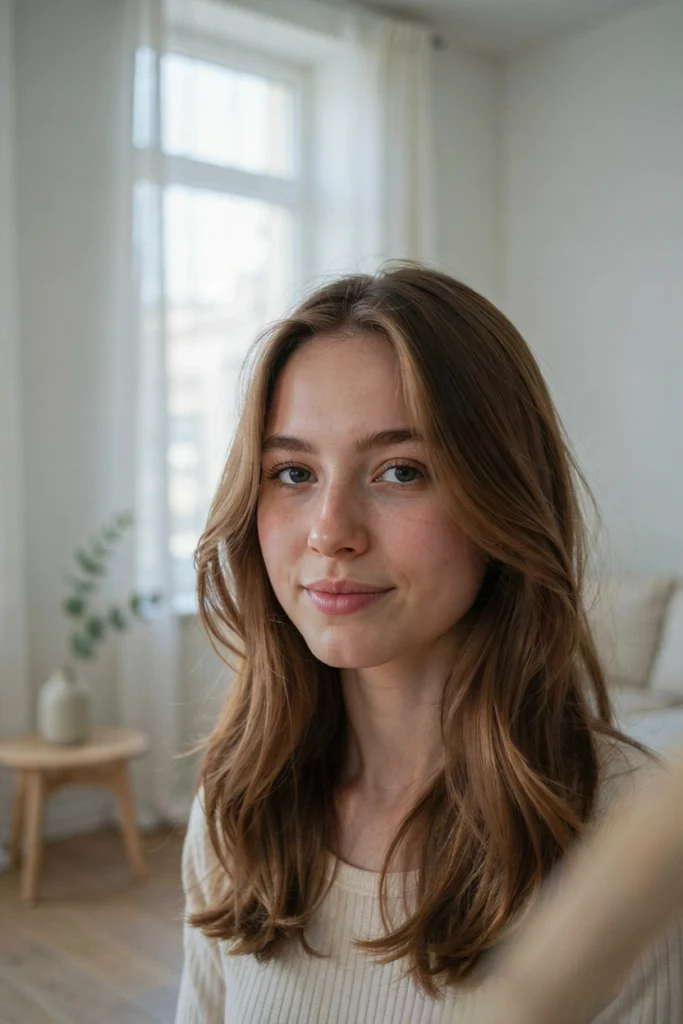
A soft layered lob is one of those haircuts that can feel both current and incredibly wearable. The length sits around the collarbone, giving you enough hair for ponytails and different styling options while still feeling lighter than a traditional long haircut. Soft layers through the ends add movement without making the cut look overly choppy. Loose waves can emphasize the different lengths and create a relaxed finish, while straight styling makes the haircut look clean and polished. In my experience, this type of cut is especially useful when you want a noticeable refresh without going dramatically short. The slightly longer front can also help the overall shape feel fluid rather than boxy. If you are collecting trending haircuts that work for everyday life, a layered lob is an easy style to save because it offers a nice balance between structure, movement, and versatility.
- Keep the length around the collarbone.
- Ask for soft rather than heavy layers.
- Leave the front slightly longer.
- Style with loose waves for extra movement.
The beauty of a layered lob is how easily it adapts to different hair textures. Fine hair can benefit from carefully placed layers that create movement without removing too much density, while thicker hair can use internal shaping to reduce heaviness. If your hair naturally waves, this cut can allow the texture to form more freely around the ends. Straight hair can look especially sleek with a center or side part. You can also change the appearance simply by switching your parting or adding soft face-framing pieces. Because the length remains relatively practical, the haircut does not limit styling choices as much as a shorter cut might. Save this idea if you want something modern but not overly complicated, especially if you like hairstyles that can move easily between casual days and more polished occasions.
Textured French Bob
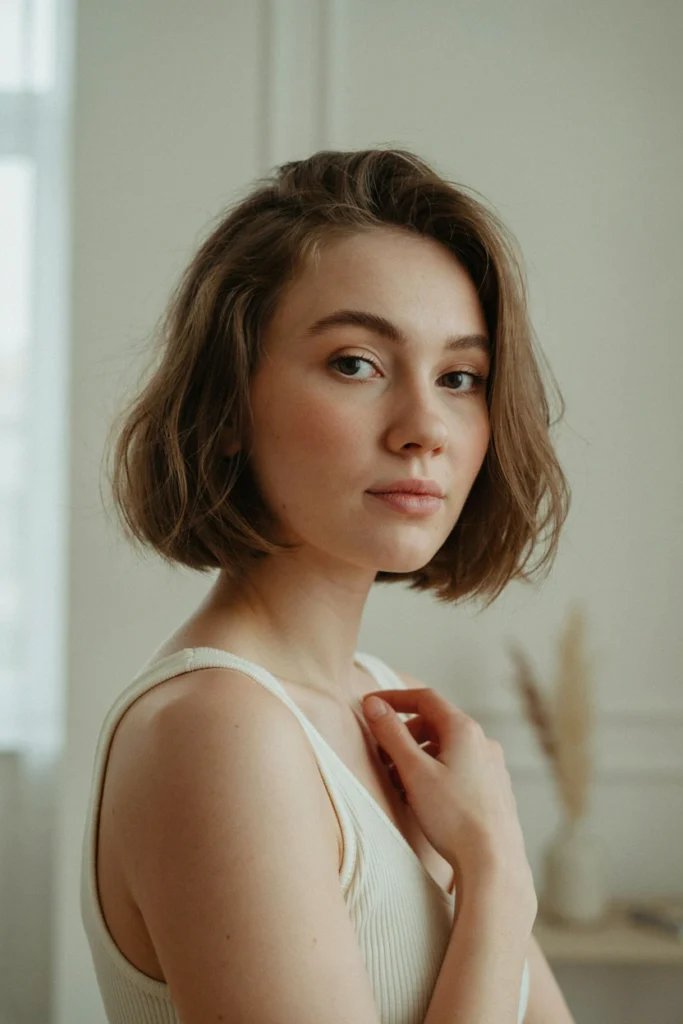
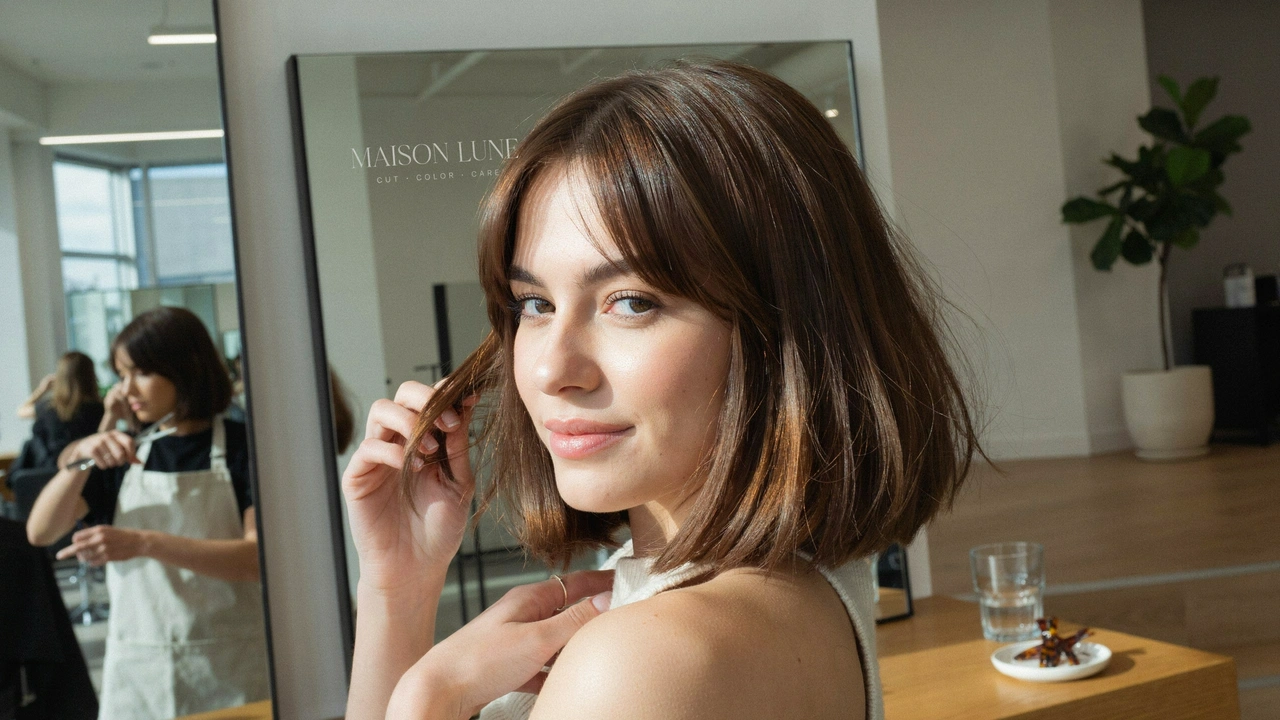
The textured French bob brings together a shorter length and relaxed movement for a haircut that feels stylish without looking overly structured. Instead of perfectly blunt ends, subtle texture gives the haircut a softer finish and allows the hair to move naturally. The cut can work beautifully with slight waves, natural texture, or a softly tousled styling routine. A shorter shape also gives the ends more visual definition, making the haircut feel intentional even when styled simply. If you prefer hairstyles that look fashionable without requiring elaborate styling, this is a strong option to consider. The overall silhouette can be adjusted depending on your hair density and desired length. Rather than copying one exact version, think about the amount of texture and movement that suits your natural hair. Save this style if you want a chic haircut with a slightly undone, effortless personality.
- Choose a length that suits your natural texture.
- Keep the ends softly textured.
- Avoid removing too much density.
- Use lightweight styling products for movement.
A textured bob does not have to mean heavily chopped hair. Small adjustments around the ends can create enough movement while preserving the overall shape. If your hair is naturally wavy, minimal styling may be needed to achieve the relaxed appearance. Straighter hair can use a light texturizing product or soft bend through the ends. The haircut can also be paired with different partings to change the overall mood. A center part gives a cleaner appearance, while a slightly shifted part can make the style feel more casual. Because the haircut is shorter, regular trims can help maintain the intended shape. Save this idea if you want to experiment with a bob that feels modern and relaxed rather than overly precise or formal.
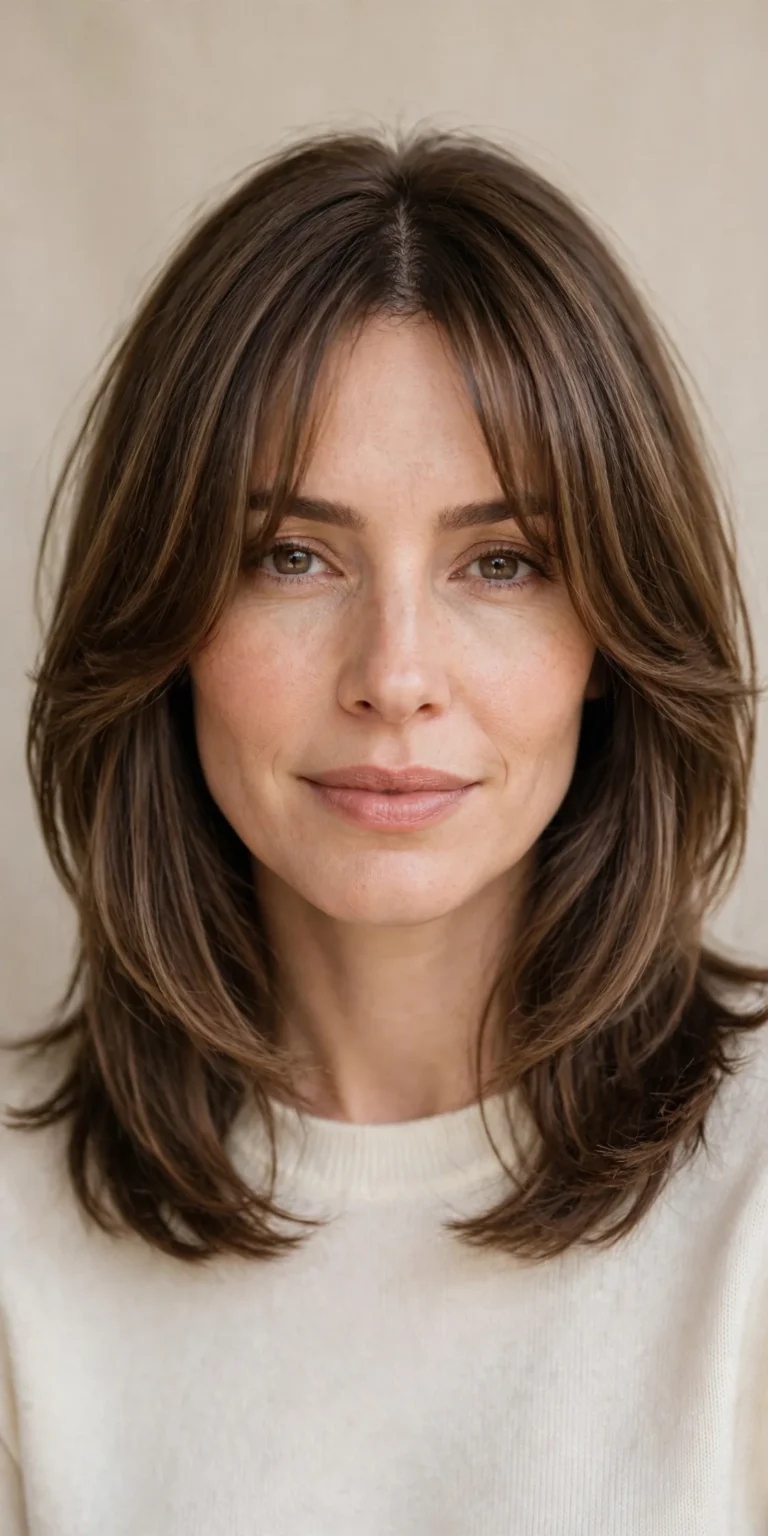
Curtain Layered Haircut
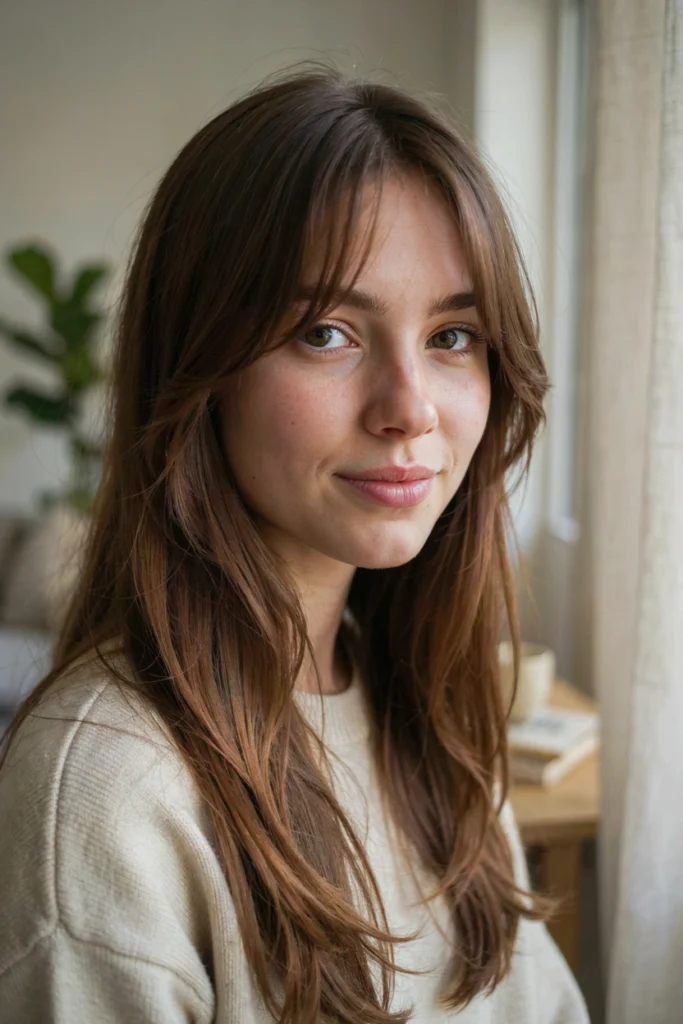
Curtain layers continue to be a popular haircut direction because they combine face-framing pieces with longer movement through the hair. The bangs can open softly around the forehead and blend into the layers instead of creating a harsh change in length. This makes the haircut easy to style in different ways, especially with loose waves or a rounded blowout. Longer layers through the rest of the hair can add movement while keeping plenty of length. If you like the idea of bangs but do not want a heavy straight fringe, curtain pieces can feel much more flexible. They can also be tucked behind the ears or blended into the rest of the haircut as they grow. For anyone searching for trending haircuts, this is a useful style to save because it offers movement, softness, and plenty of styling options without requiring a complete loss of length.
- Keep curtain pieces soft and blended.
- Connect the bangs gradually into layers.
- Preserve enough length through the ends.
- Use a round brush for gentle volume.
Curtain layers can be customized according to your hair thickness and natural movement. Thicker hair may benefit from additional internal shaping, while finer hair often looks better with fewer, strategically placed layers. The curtain pieces should also connect naturally with the layers rather than appearing like a separate section. When styled with a soft blowout, the front pieces can create a smooth frame, while natural waves give them a more relaxed appearance. You can change the look by wearing the part slightly off-center or allowing the bangs to separate naturally. This flexibility makes the haircut particularly useful if you enjoy switching between different styling moods. Save this idea if you want a haircut that keeps your length but adds noticeable movement around the front and a modern, softly layered finish.
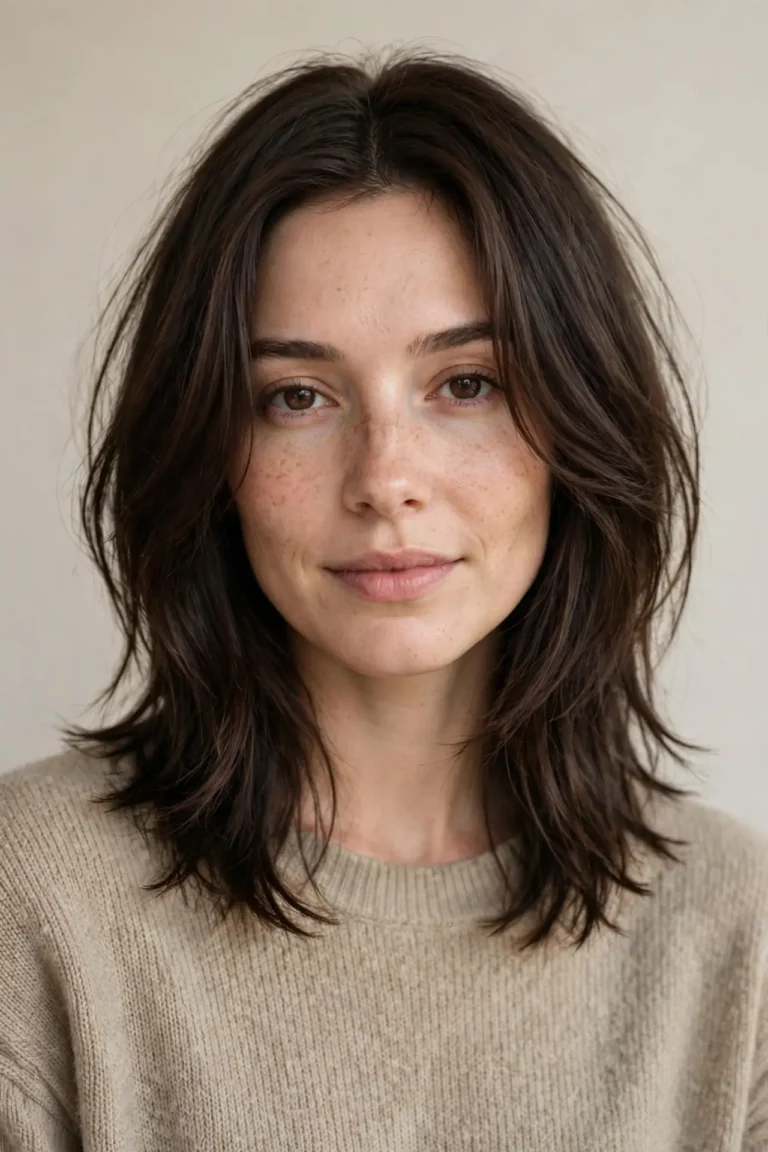
Modern Shaggy Layers
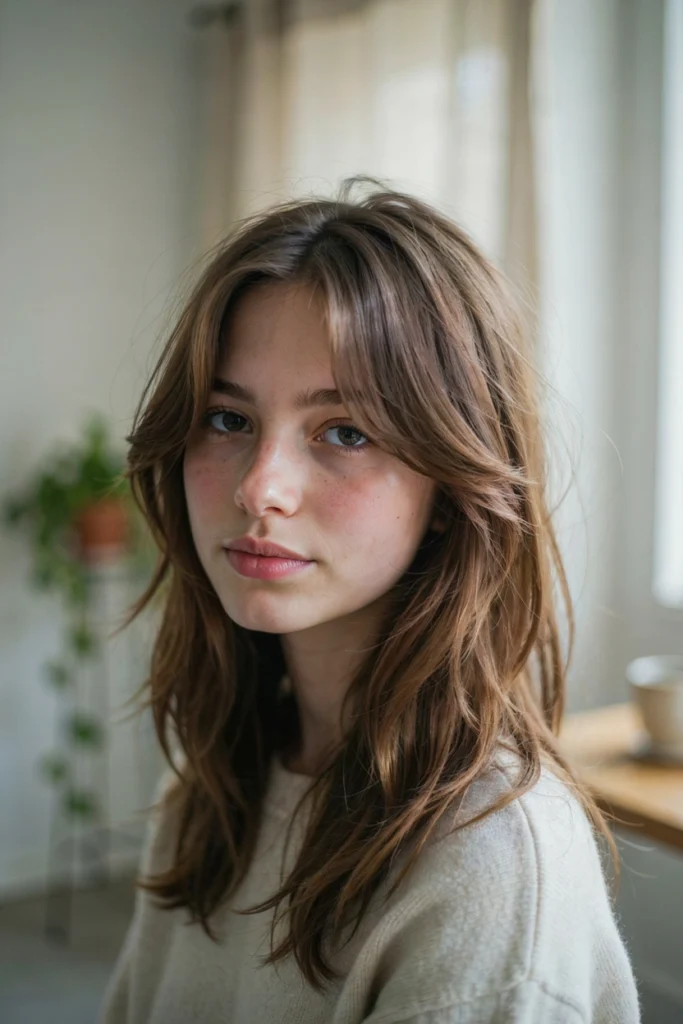
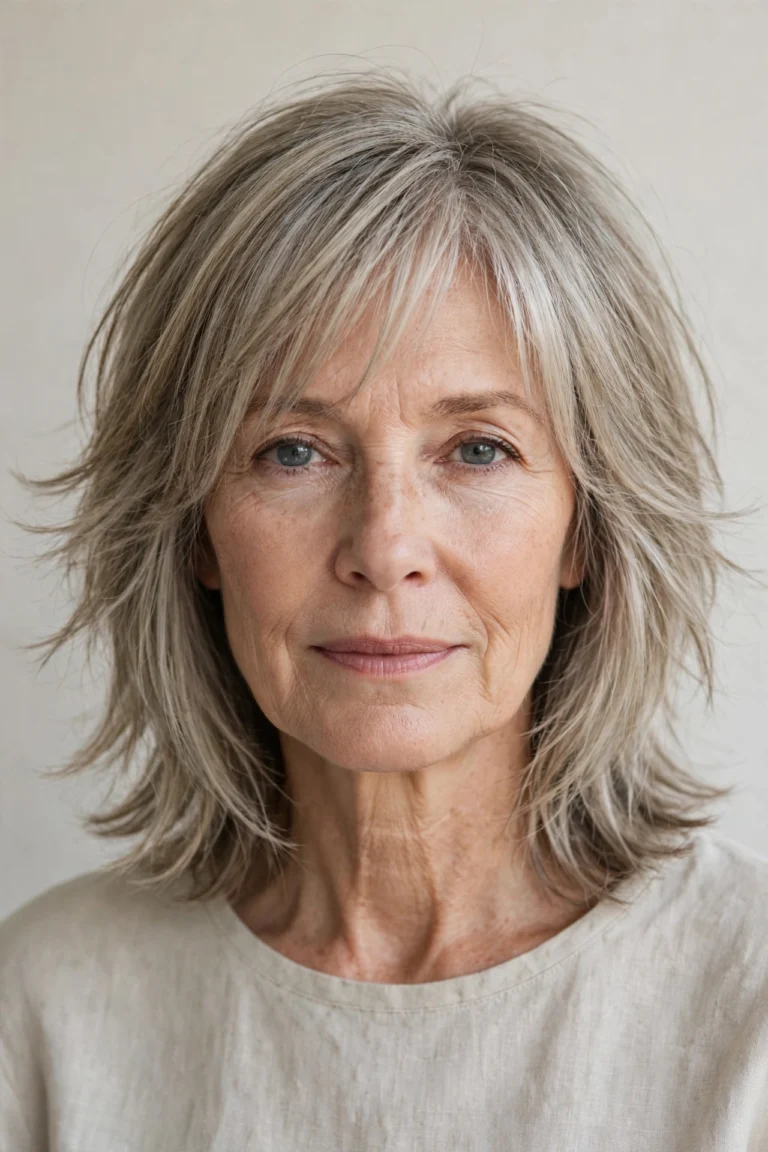
Modern shaggy layers are ideal when you want a haircut with movement, texture, and a slightly undone personality. Unlike a heavily structured cut, a shag uses multiple layers to create separation and natural-looking volume. The ends can remain soft and textured, allowing the hair to move rather than sit in one solid shape. This style works especially well with naturally wavy or textured hair, although straight hair can also be styled into the look. The amount of layering can be adjusted to keep the haircut wearable for your preferred routine. A softer version gives you movement without making the haircut feel too edgy, while stronger layers create a more dramatic silhouette. If you want a haircut that feels casual but still fashion-forward, this is a strong option. Save it if you love texture, volume, and hairstyles that do not need to look perfectly polished.
- Adjust the layer intensity to your hair density.
- Keep the ends light and textured.
- Add crown layers for airy volume.
- Use a lightweight texturizing product.
The shaggy haircut is especially useful for bringing out natural texture. Instead of fighting waves or bends, the layers can help distribute the hair so the texture has room to form. If your hair is straight, a little styling through the mid-lengths and ends can create the desired separation. The haircut can also be paired with different fringe options, including soft curtain pieces or wispy bangs. One important consideration is maintaining enough weight where your hair needs it, especially if your strands are fine. Too many layers can make the ends appear thinner than intended. A thoughtful balance between texture and fullness usually creates the most wearable result. Save this style if you want something modern, relaxed, and full of movement that can work with your natural hair rather than requiring constant smoothing.
Blunt Collarbone Cut
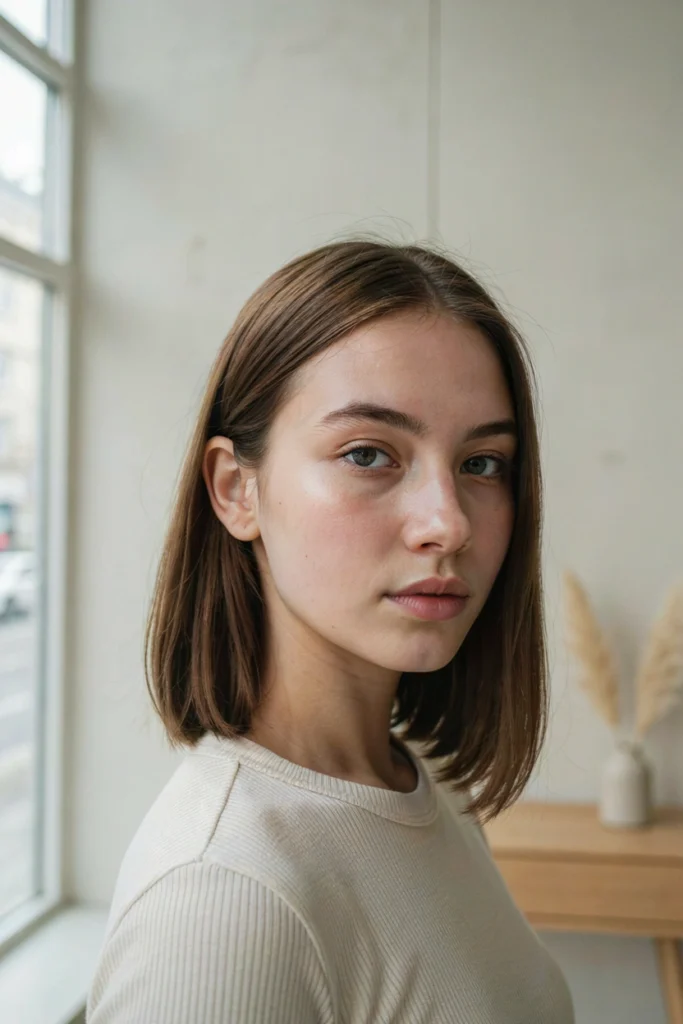
A blunt collarbone cut offers a clean alternative to heavily layered hairstyles. The length falls around the collarbone, creating a practical middle ground between shorter and longer hair. Keeping the ends relatively even gives the haircut a stronger visual shape and can make the hair appear fuller through the bottom. This style looks particularly polished when worn straight, but soft waves can give it a more relaxed appearance. If you like simple haircuts that do not require complicated layering, a blunt collarbone cut is worth considering. The clean line also makes the haircut easy to recognize and gives everyday styling a neat finish. For trending haircuts, this type of minimal shape works well because it feels modern without depending on an elaborate styling technique. Save it if you prefer clean lines, manageable length, and a haircut that looks intentional even with minimal styling.
- Keep the ends mostly even.
- Maintain the collarbone length.
- Avoid excessive layering.
- Use smoothing products for a polished finish.
The blunt shape is particularly useful for hair that needs a little extra visual density through the ends. Fine hair can sometimes benefit from keeping more weight at the bottom rather than removing too much through layers. Thicker hair may need slight internal shaping to prevent the blunt line from feeling overly heavy. The haircut can also be customized with a subtle side part, center part, or soft face-framing pieces without losing its main shape. If you like changing your styling frequently, the collarbone length still gives you enough flexibility for waves, low ponytails, clips, and half-up styles. Regular trims can help preserve the clean line. Save this haircut if you want something polished and current that focuses on healthy-looking ends and a strong, simple silhouette.
Feathered Long Layers
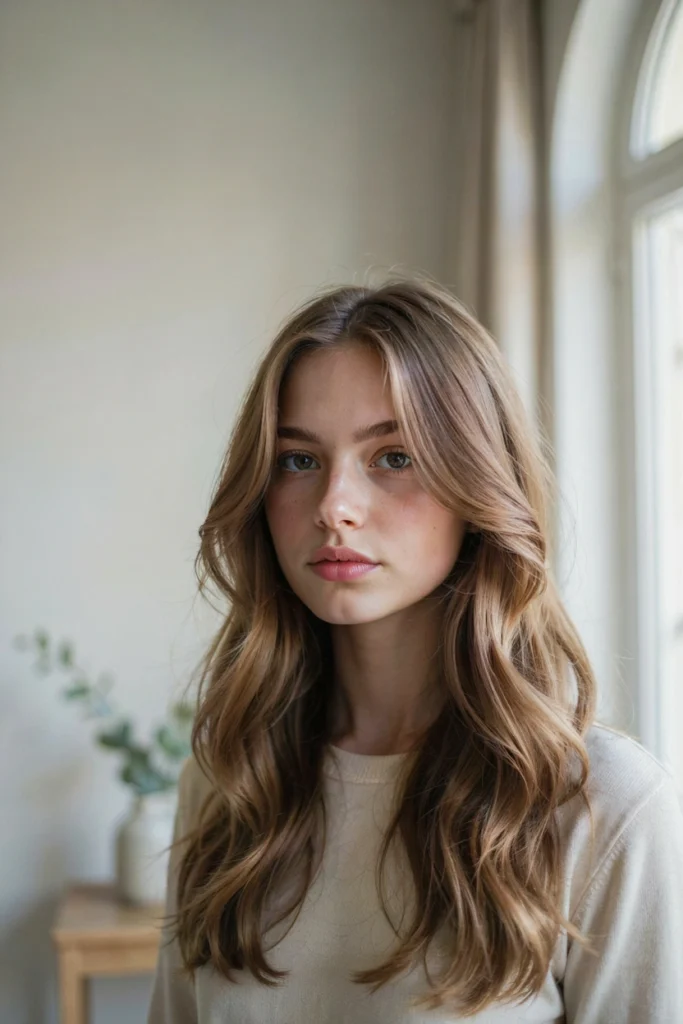
Feathered long layers are a great choice when you want to keep significant length while adding movement and shape. The layers are softened toward the ends so they flow into one another rather than creating obvious choppy sections. Around the front, feathered pieces can add movement and help the haircut feel more styled even when the rest of the hair remains long. This cut works beautifully with a round-brush blowout, loose waves, or a simple smooth finish. The longer length also means you can continue wearing ponytails, braids, and other updos. If you want a haircut that feels glamorous without becoming too complicated, feathered layers are a dependable option. They give long hair more life and movement while preserving the overall length. Save this style if you love flowing hairstyles with soft volume and polished movement.
- Keep the longest length intact.
- Add feathered pieces around the front.
- Blend layers gradually into the ends.
- Use a round brush for bounce.
Feathered layers can be especially helpful when long hair begins to feel heavy or visually flat. Rather than removing large amounts of length, the haircut redistributes weight through carefully placed sections. The front layers can be made shorter or longer depending on how much framing you prefer. For naturally wavy hair, the feathered shape can encourage movement without requiring much styling. Straight hair can benefit from a soft blow-dry technique that turns the ends outward or inward. The cut also grows out relatively naturally because the layers are blended rather than sharply disconnected. If you are hesitant about losing length but still want a noticeable change, this is a practical direction. Save this idea if you want your long hair to feel lighter, fuller, and more dynamic while keeping the majority of your length.
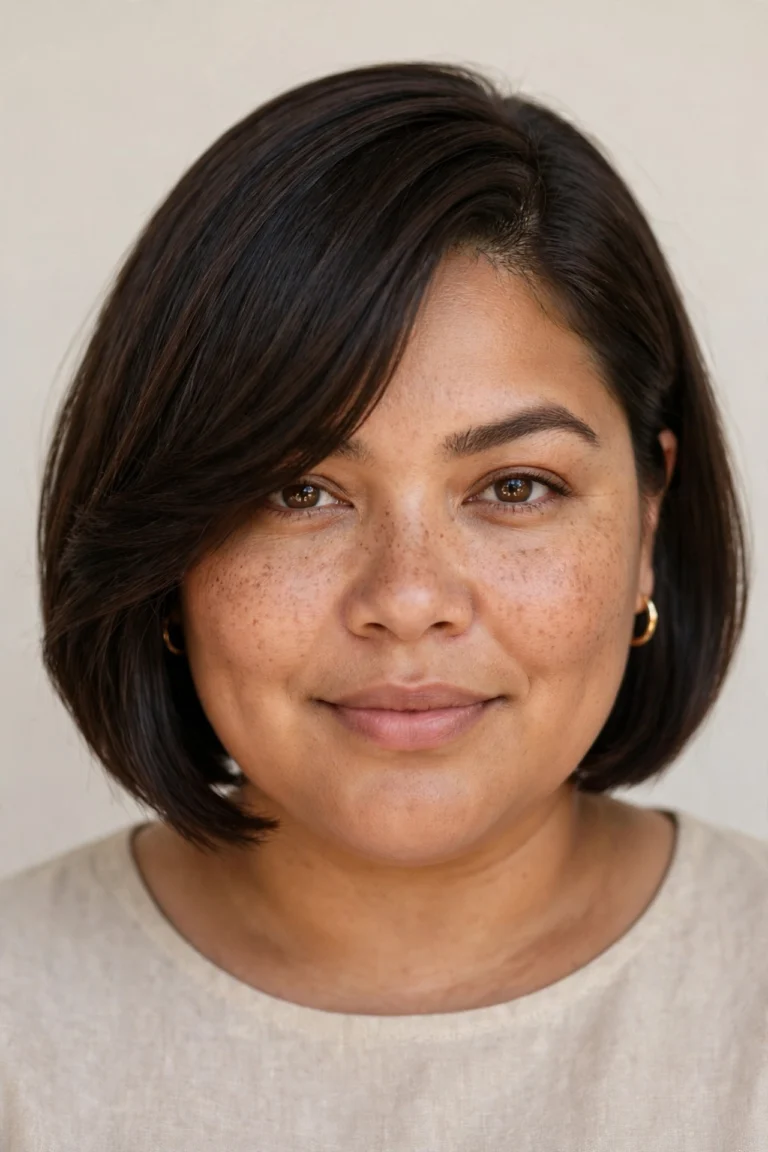
Wavy Layered Bob
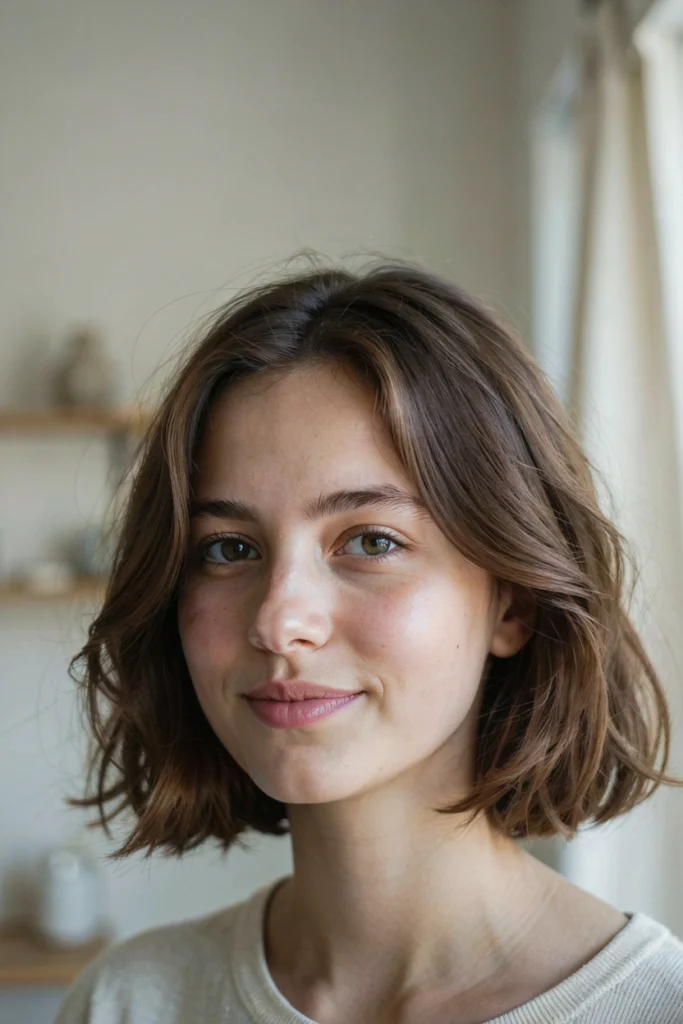
A wavy layered bob gives the classic bob a softer and more relaxed finish. Instead of relying on a perfectly straight silhouette, the layers allow natural waves to create movement through the ends. This can make the haircut feel less formal and more effortless, especially when the texture is allowed to dry naturally. The length can be adjusted slightly depending on how much styling flexibility you want. Keeping enough length through the front and sides can also make the haircut easier to personalize. If your hair already has natural waves, this style can help them look more intentional. Straight hair can recreate the effect with a curling or waving technique. Save this haircut if you want a shorter style that still feels soft, textured, and easygoing rather than overly sharp.
- Preserve enough length for natural waves.
- Use soft layers instead of heavy chopping.
- Keep the ends textured but connected.
- Apply lightweight curl-enhancing products.
The wavy bob is one of those cuts where natural texture can become the main styling feature. The layers help prevent the waves from forming into one heavy shape, giving the hair more separation and movement. If your hair is thick, subtle internal shaping may help distribute the weight. Fine hair can benefit from keeping the ends fuller while using only a few layers for movement. The haircut can also look completely different depending on whether you wear a center part, side part, or slightly messy styling. A small amount of texturizing product can enhance the natural bends without making the hair feel stiff. Save this idea if you want a haircut that feels modern, relaxed, and versatile enough to work with your natural texture.
Sleek Angled Lob
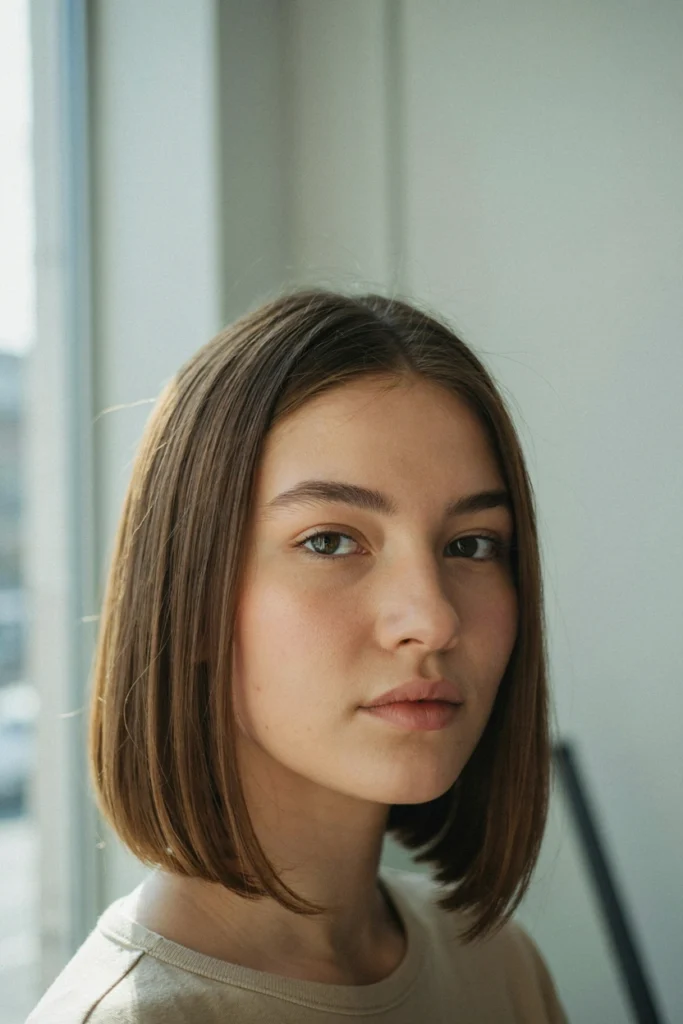
The sleek angled lob combines the practicality of a medium-length haircut with a more structured shape. The back sits slightly shorter while the front gradually becomes longer, creating a subtle diagonal line. This gives the haircut a polished appearance without making it as short as a traditional bob. Straight styling emphasizes the angle and creates a clean, modern silhouette, while soft waves can make the shape feel more relaxed. The cut is especially useful if you want a haircut that looks intentional with minimal styling. You can also adjust how dramatic the angle is depending on your personal preference. A gentle angle offers a softer appearance, while a stronger difference between front and back creates more definition. Save this style if you prefer sleek, contemporary haircuts with clear shape and a practical length.
- Keep the angle gradual and clean.
- Maintain longer front sections.
- Use smoothing products for sleekness.
- Trim regularly to preserve the shape.
The angled lob can be customized to work with different hair densities and textures. Fine hair may look especially polished with a clean line and minimal layering, while thicker hair may benefit from subtle internal shaping to prevent excess bulk. If your natural hair is wavy, the angle will appear softer and less geometric. Straight styling brings out the strongest version of the shape. You can also soften the overall appearance with a side part or subtle face-framing pieces. Because the cut depends on a clear difference in length, regular trims can help maintain its structure. Save this idea if you want a haircut that feels polished and contemporary while still offering enough length for everyday styling options.
Wispy Bangs Layers
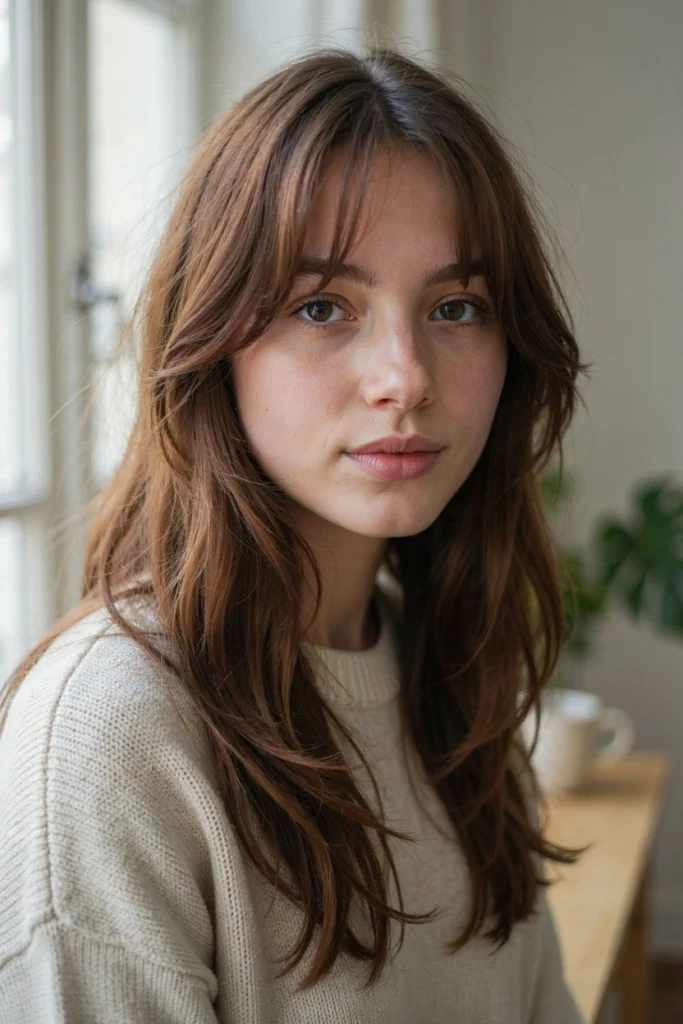
Wispy bangs paired with soft layers create a haircut that feels light, relaxed, and easy to personalize. The bangs are intentionally delicate rather than dense, allowing some forehead space and making them more flexible to style. They can blend naturally into shorter face-framing layers and then continue into longer lengths. The rest of the haircut can remain relatively full while still having enough layers to create movement. This style works especially well with loose waves because the soft texture continues throughout the haircut. Straight styling can make the bangs look more polished and defined. If you want to experiment with bangs without committing to a thick fringe, wispy pieces offer a softer starting point. Save this haircut if you want something modern, feminine, and flexible enough to style casually or more neatly.
- Keep the bangs light and airy.
- Blend them into face-framing layers.
- Avoid creating an overly dense fringe.
- Use minimal product around the bangs.
Wispy bangs can be adjusted in both length and density depending on your natural hair and styling habits. If you prefer low maintenance, slightly longer pieces can be easier to grow out and sweep aside. Shorter wisps create more of a noticeable fringe effect but may require more regular shaping. The surrounding layers should connect smoothly so the haircut does not look divided into separate sections. For naturally wavy hair, the bangs can be styled with a gentle bend rather than completely straightened. If your hair is straight, a quick blow-dry can give them soft movement. Save this idea if you want to update a layered haircut with a small but noticeable change that does not require sacrificing much length.
Curly Shoulder Layers
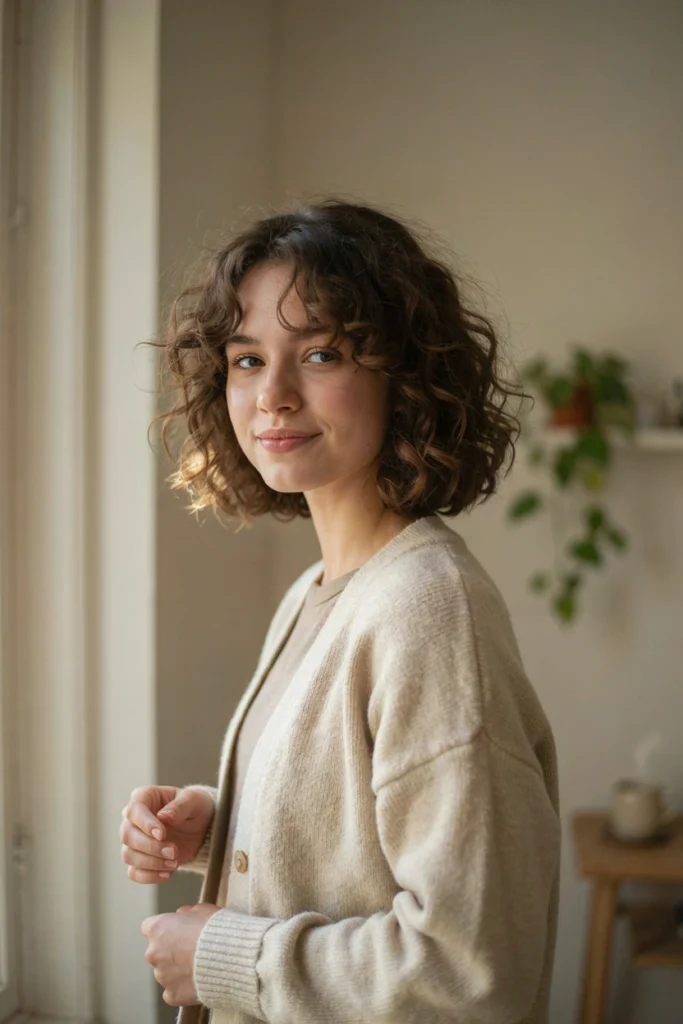
Curly shoulder layers are designed to give curls room to move while keeping the overall length practical. Instead of cutting curls into one solid shape, soft layers can distribute the volume and help individual curls form more naturally. The shoulder length gives the hairstyle enough structure while still offering plenty of movement. This haircut can work with different curl patterns because the layering can be adjusted according to how much the hair expands when dry. If you wear your curls naturally, the right shape can reduce the heavy feeling that sometimes develops around the ends. The result can feel full, bouncy, and intentionally shaped without requiring constant heat styling. If you are searching for trending haircuts that celebrate natural texture, a layered curly cut is a strong choice. Save it if you want your curls to feel lighter, more defined, and easier to manage.
- Shape the haircut based on dry curl behavior.
- Use soft layers to distribute volume.
- Preserve enough weight through the ends.
- Choose curl-friendly styling products.
Curly hair often changes significantly between wet and dry states, so the haircut should account for natural shrinkage and expansion. Soft layering can help prevent the shape from becoming too triangular or heavy, but removing too much weight can also create excessive volume. A balanced approach usually works best. Shoulder length is particularly useful because it gives the curls enough room to bounce while remaining practical for daily styling. You can also adjust the front layers according to how much framing you prefer. Regular trims can help maintain curl definition and prevent the ends from becoming weighed down. Save this idea if you want a haircut that works with your natural curl pattern rather than requiring you to constantly smooth, straighten, or reshape your hair.
Choppy Textured Pixie
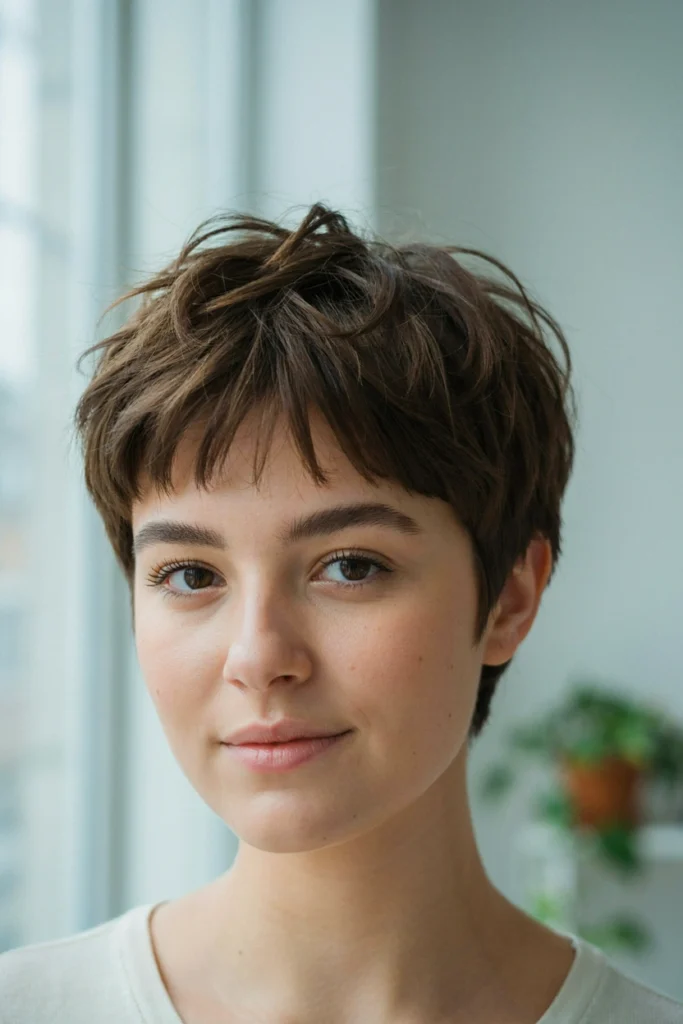
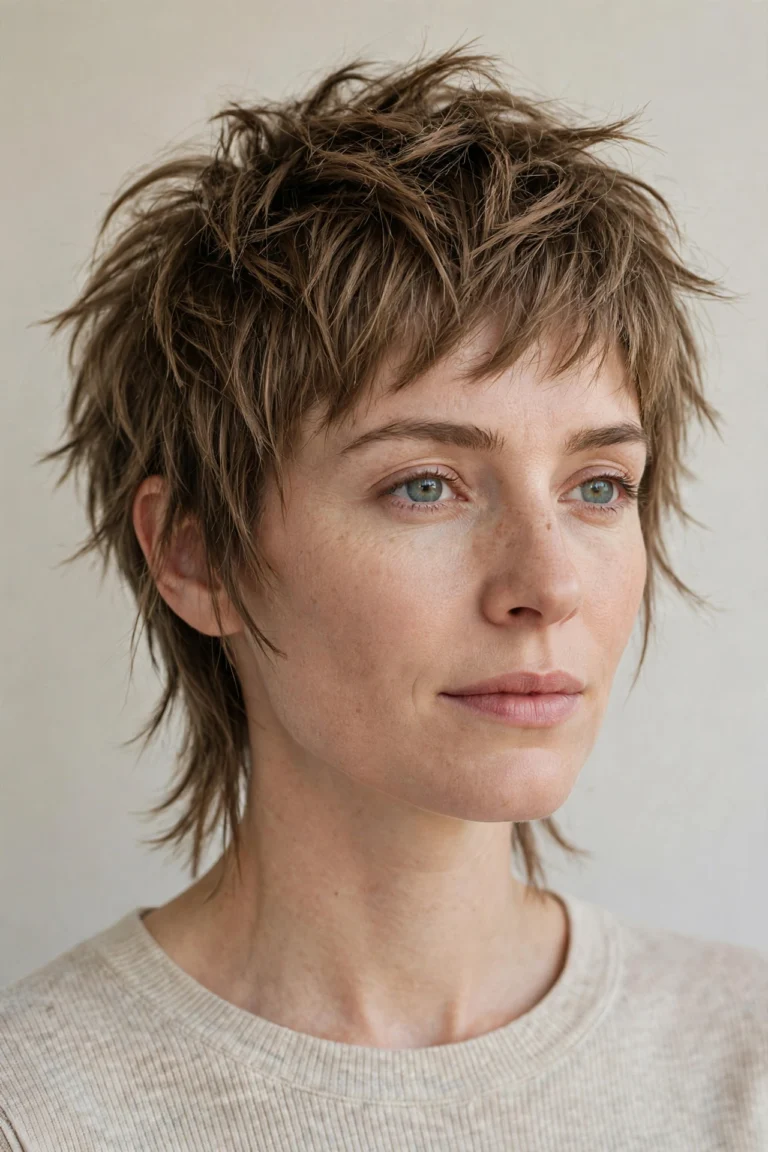
A choppy textured pixie is a bold choice when you want a shorter haircut with plenty of personality. The top remains slightly longer and layered, allowing the hair to be styled upward, sideways, or into a relaxed tousled finish. Shorter sides help create contrast and keep the silhouette lightweight. The texture is what makes this haircut feel modern rather than overly traditional. You can keep the fringe softer for a feminine appearance or make the top more piecey for a stronger statement. This cut also significantly reduces the amount of hair you need to manage each day, although it does require regular trims to maintain its shape. If you want one of the more noticeable trending haircuts, this pixie offers a fresh change while still leaving enough length on top for styling flexibility.
- Keep texture concentrated through the top.
- Taper the sides softly.
- Leave enough fringe length for styling.
- Use lightweight wax or texturizer.
A textured pixie can look surprisingly different depending on how the top is styled. A soft side sweep creates a more polished effect, while piecey texture gives the haircut a relaxed edge. Because the style is short, the natural direction of the hair becomes more noticeable, so working with your natural growth pattern can make daily styling easier. The haircut also gives you an opportunity to experiment with texture without needing a long styling routine. Regular trims are important because even small amounts of growth can change the proportions of a short haircut. Save this idea if you want a confident, low-length transformation with enough texture to keep the overall look playful and modern.
Voluminous Butterfly Cut
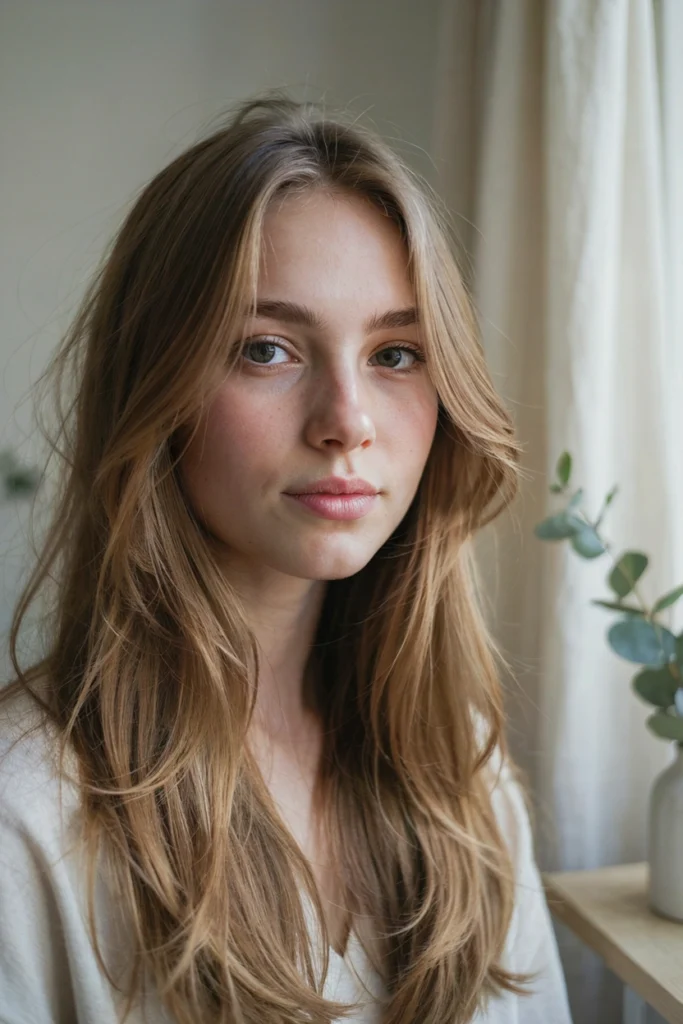
The butterfly cut remains a standout option for anyone who wants long hair with dramatic movement and volume. The haircut uses shorter layers around the front and crown that blend into longer lengths, creating a cascading effect. When styled with large waves or a round brush, the layers can appear to lift away from the face while the longer sections continue flowing downward. This creates the signature airy, dimensional appearance associated with the style. The haircut can also be adapted to different hair densities by adjusting the amount of layering. If you love long hair but feel it sometimes looks flat or heavy, a butterfly-inspired shape can add movement without removing the overall length. Save this haircut if you want something glamorous, voluminous, and visually striking while keeping plenty of length.
- Preserve the longest layers.
- Add shorter movement around the front.
- Blend crown layers into the lengths.
- Use a round brush for maximum volume.
The butterfly shape depends heavily on smooth transitions between the shorter and longer sections. If the layers are disconnected, the haircut can lose the flowing effect that makes it appealing. Long hair provides enough space to create a gradual cascade, while thicker hair may need internal shaping to keep the layers from becoming too heavy. The style can look especially dramatic when blown out, but it can also be softened with loose waves or natural texture. If you want a more everyday version, ask for fewer layers around the crown and keep the overall shape longer. Save this idea if you want your long hair to have more bounce, movement, and dimension while still maintaining its signature length.
Conclusion
The best haircut is not always the most dramatic one—it is the style that fits your hair, routine, and personal sense of style while still making you feel refreshed. These 10 trending haircuts include everything from sleek lobs and blunt collarbone cuts to textured bobs, soft layers, curly shapes, pixies, shags, and voluminous long-layered styles. Each can be customized through length, layering, texture, bangs, and styling technique to create a version that works for you. Before choosing a major change, consider your natural hair texture, how much daily styling you enjoy, and how often you are comfortable getting trims. Save the cuts that match your aesthetic and bring your favorite references to your next haircut appointment.