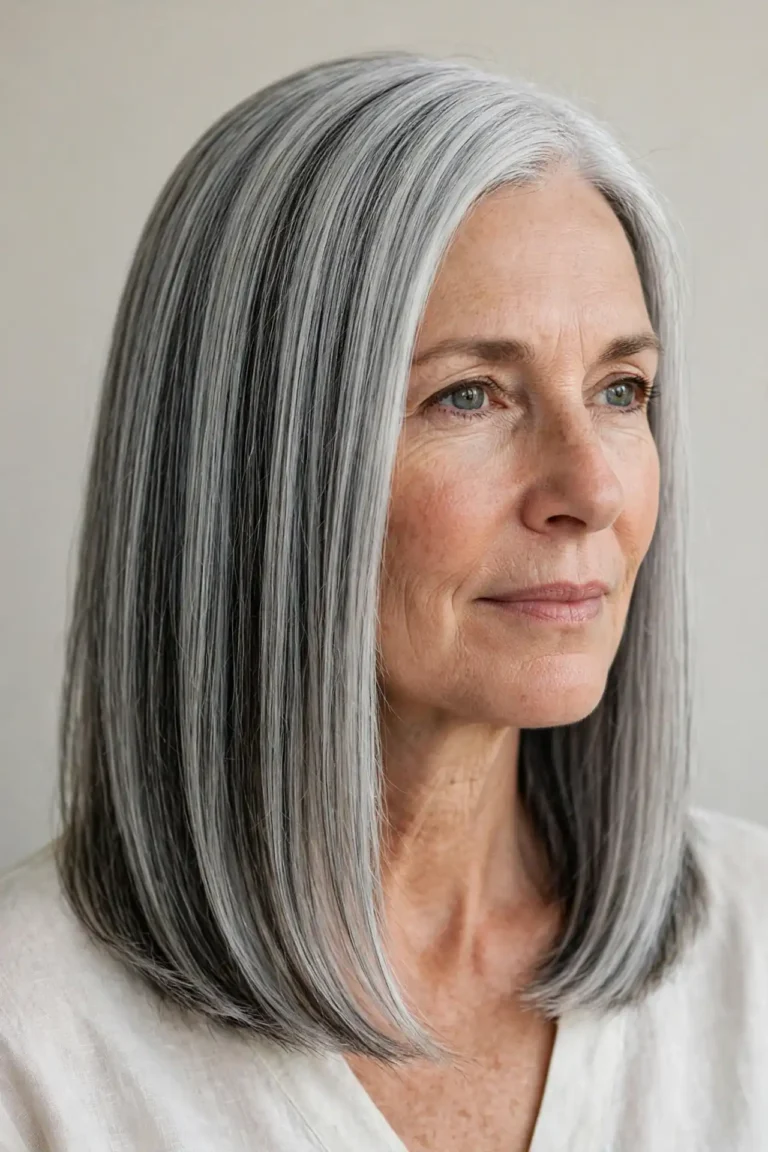
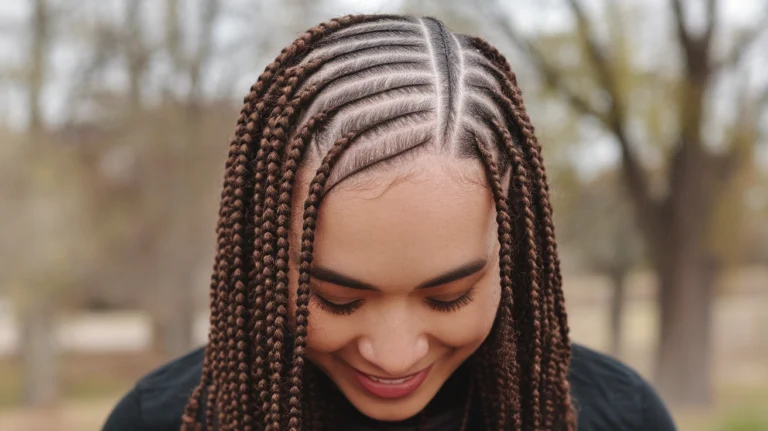
11 Plus Size Hairstyles with Double Chin
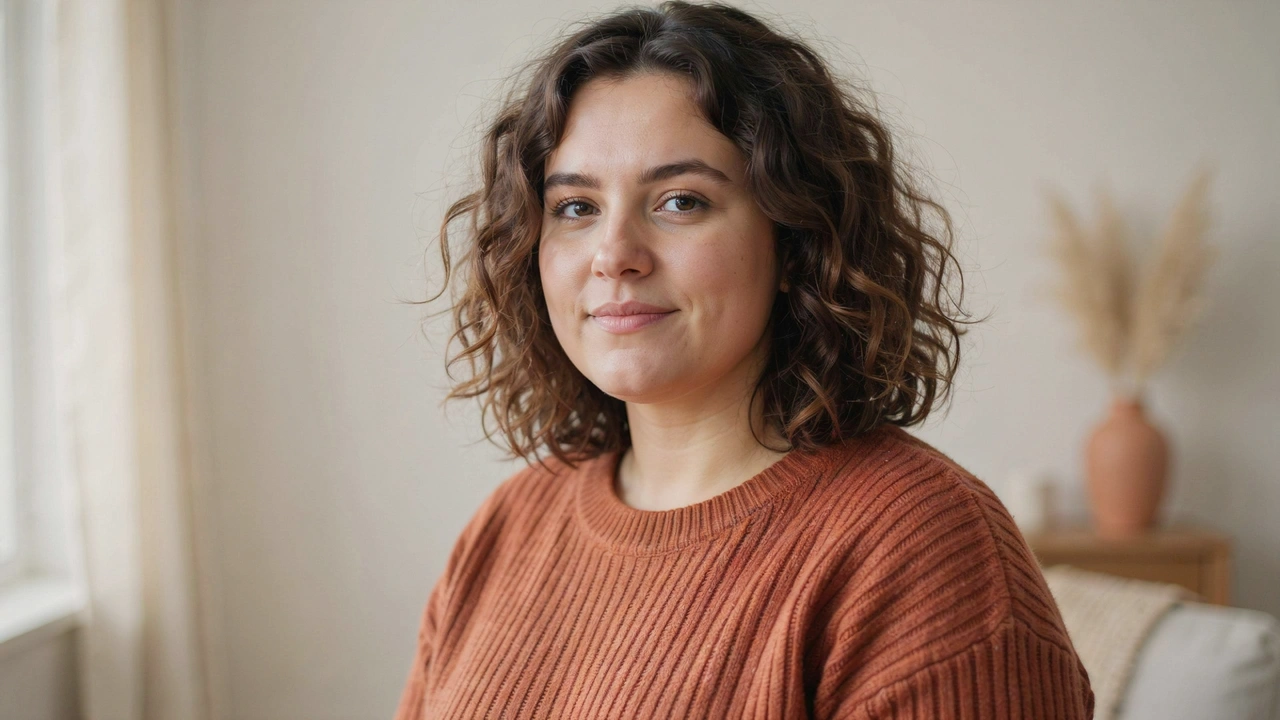
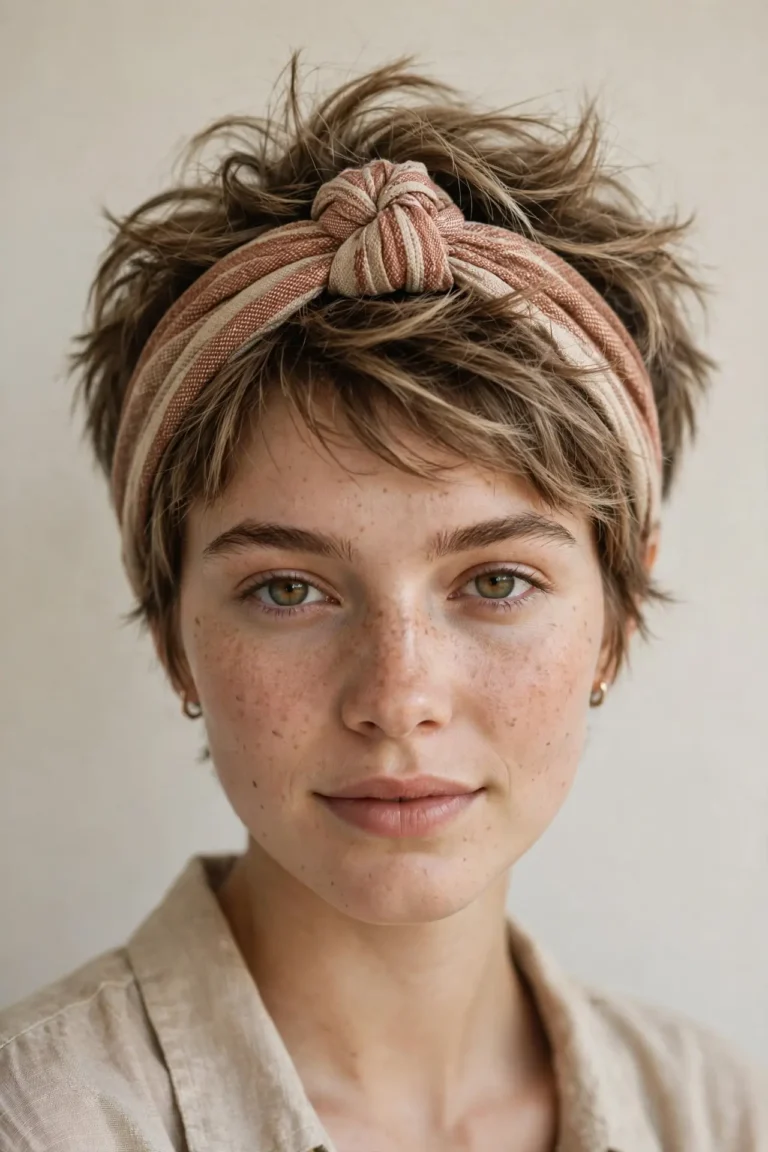
Finding a hairstyle that feels flattering, comfortable, and easy to style can make your everyday look feel completely refreshed. Plus Size Hairstyles with Double Chin can include everything from soft layered cuts and textured lobs to flowing waves, curls, bobs, and face-framing styles. The goal is not to hide your natural features, but to find a haircut that works beautifully with your face shape, hair texture, and personal style. Layers can add movement, waves can bring dimension, and different lengths can create plenty of styling flexibility. Whether you prefer short, medium, or long hair, there are many ways to personalize a look so it feels natural and confident. If you are looking for fresh inspiration before your next salon visit, these hairstyle ideas can help you explore different textures, lengths, bangs, and layering techniques while keeping your overall look modern, effortless, and easy to maintain.
Soft Layered Lob Cut
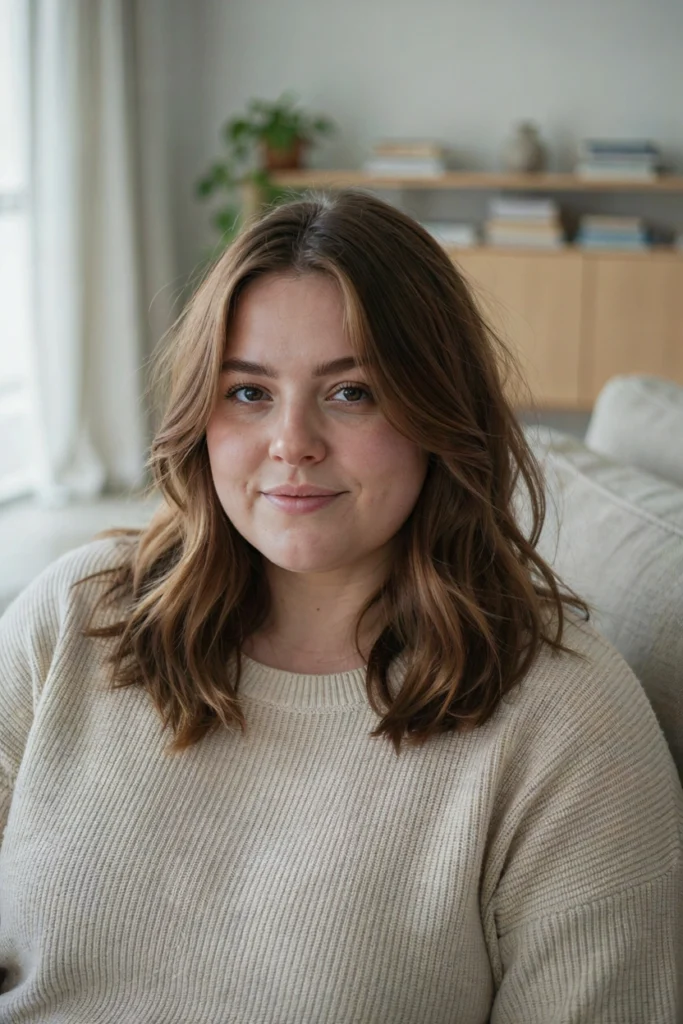
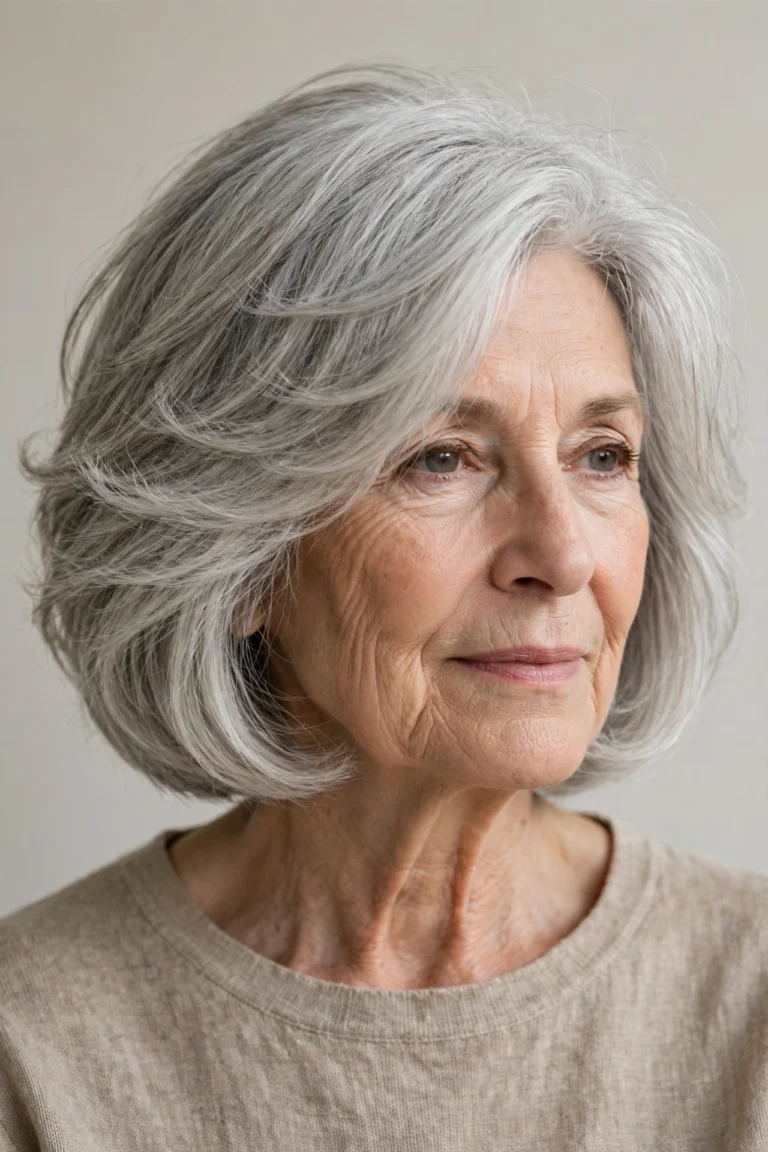
A soft layered lob is a versatile option when you want movement without committing to very short hair. The collarbone length gives the hairstyle enough weight to create a polished shape, while gentle layers prevent the hair from appearing too heavy. Soft waves can add dimension and make the overall style feel relaxed and effortless. The layers can also be customized according to natural hair density and texture. Thicker hair may benefit from subtle internal movement, while finer hair can keep more weight through the ends. A center part creates a balanced appearance, while a side part adds directional movement and volume. This style works well for everyday routines because it can be worn naturally textured, softly waved, or smoothly styled. The length also gives you the flexibility to pull the hair into a low ponytail or clip it back when desired.
- Keep layers blended.
- Add loose bends through mid-lengths.
- Use lightweight texture products.
- Trim regularly to maintain shape.
For styling, apply a lightweight mousse or styling cream to damp hair and dry it naturally or with a round brush. If you want additional movement, create a few loose bends through the mid-lengths while keeping the ends relaxed. After the hair cools, separate the layers gently with your fingers. Avoid making every wave identical because natural variation gives the hairstyle a softer appearance. A small amount of texture spray can add definition without weighing down the hair. For a polished finish, smooth the upper sections while allowing the ends to retain subtle movement. On second-day hair, refresh only the front and lower sections that need attention instead of restyling everything. The collarbone length also makes it easy to switch between loose hair, a low ponytail, or a simple clip. This makes the layered lob practical for different occasions and styling preferences.
Side Swept Wavy Layers
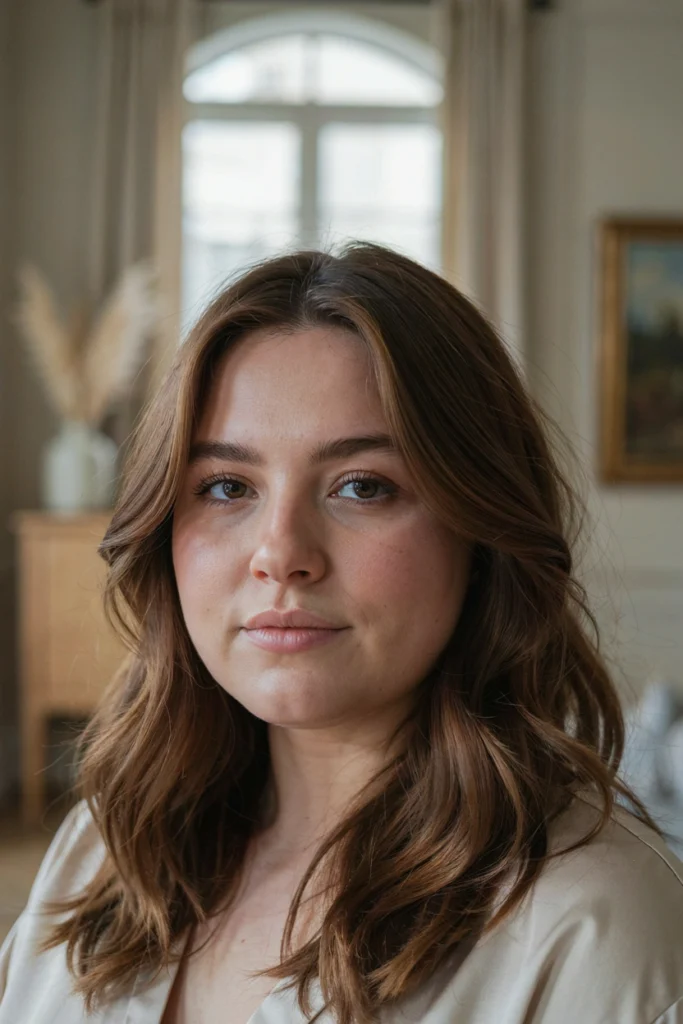
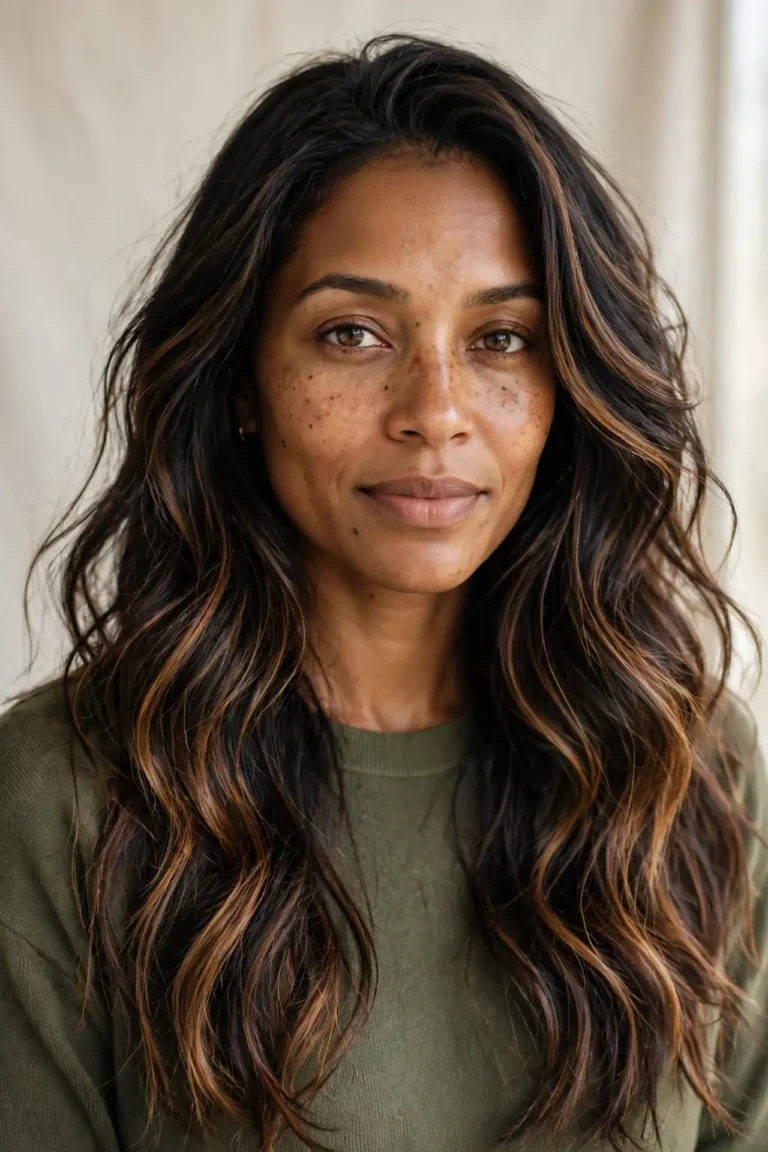
Side-swept wavy layers can give a medium-length hairstyle a beautiful sense of movement without requiring an elaborate cut. The side part naturally directs the hair across one side, while soft waves add texture through the lengths. Layered ends help prevent the hairstyle from looking too solid, especially when the hair has moderate or thick density. The style can be worn with a deeper side part for more visible volume or a softer side part for a subtle effect. Medium-length hair also offers plenty of flexibility for ponytails, clips, and half-up styles. The waves do not need to be perfectly defined; slightly irregular bends can make the overall finish look more natural and relaxed. This hairstyle works across several hair textures and can be adjusted according to how much styling you prefer. It is a simple way to create movement while keeping the haircut comfortable and wearable.
- Establish the side part while damp.
- Lift roots during blow-drying.
- Create loose waves.
- Finish with flexible texture spray.
Start by creating your preferred side part while the hair is damp. Apply a lightweight volumizing product near the roots and gently lift the hair while blow-drying. Once dry, create loose waves through the mid-lengths using larger sections. Keep the ends slightly relaxed so the hairstyle maintains a soft, modern finish. After the waves cool, separate them with your fingers instead of brushing them completely through. A small amount of texture spray can add definition and help the layers remain visible. If your hair already has natural waves, you may only need to enhance a few areas rather than styling the entire head. On following days, refresh the front and upper sections with a little water or dry texture product. The side-swept shape can also be changed easily by moving the part slightly. This gives you several styling variations without changing the haircut itself.
Long Face Framing Layers
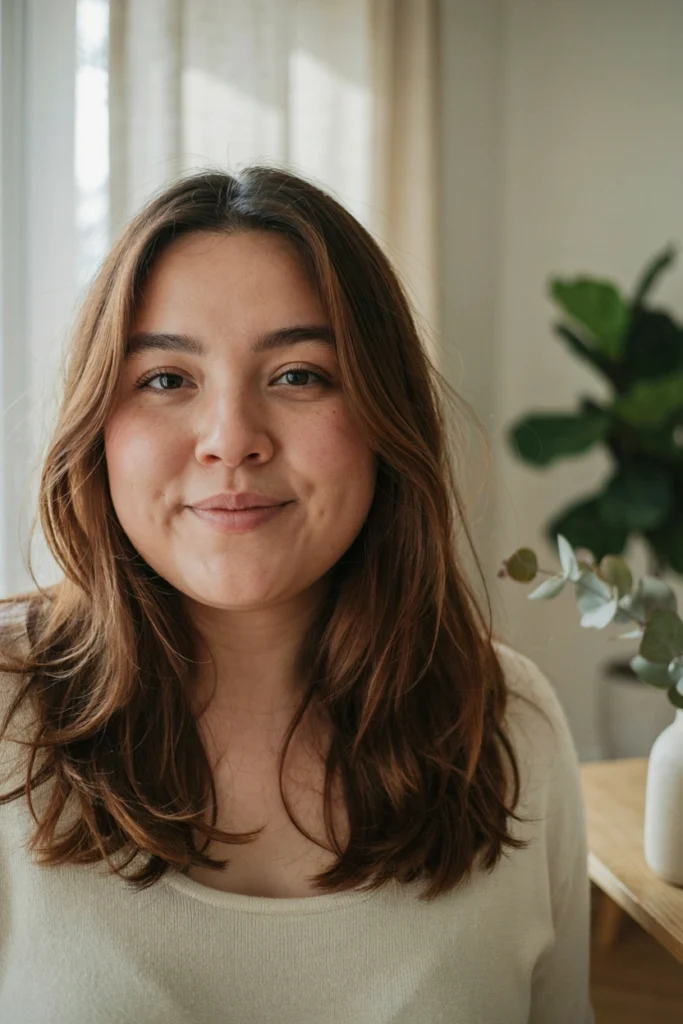
Long face-framing layers offer plenty of styling flexibility while keeping the hair long and flowing. The framing pieces can begin around the cheek or lower face area and gradually blend into the longer lengths. This creates movement around the front without requiring a dramatic fringe. Soft waves can make the layers more visible, while straight styling gives the haircut a smoother appearance. The amount of layering can be adjusted according to hair density. Thicker hair may support more internal movement, while finer hair can benefit from fewer, longer layers that preserve fullness. A center part creates a balanced look, while a side part adds directional volume. This hairstyle is also practical because the longer lengths can still be braided, tied back, clipped, or worn naturally. If you prefer hairstyles that offer several styling options without frequent major changes, long layered framing can provide an adaptable foundation.
- Blend front pieces gradually.
- Keep long layers connected.
- Use lightweight styling cream.
- Add loose waves for texture.
For a soft face-framing finish, apply a lightweight styling cream to damp hair and dry the front sections with a round brush. Direct the framing pieces gently away from the face so they blend into the longer layers. For additional texture, create broad waves through the lengths while leaving the ends relatively relaxed. Once the hair cools, separate the waves with your fingers and allow the framing pieces to settle naturally. Avoid applying heavy products near the front because they can make shorter sections fall flat. On second-day hair, refresh the front pieces with a quick blow-dry or a small amount of water. The rest of the lengths can remain untouched if they still have good texture. You can also tuck one side behind the ear for a different finish. Regular trims help maintain the gradual transition between the face-framing layers and the longer sections.
Textured Shoulder Length Cut
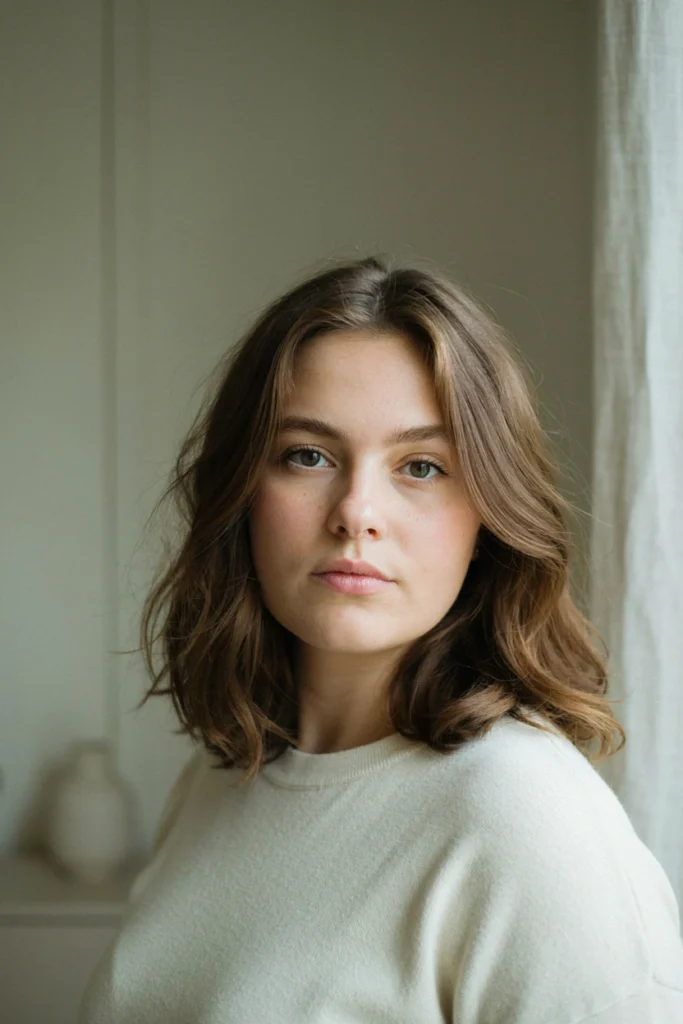
A textured shoulder-length cut provides a comfortable middle ground between short and long hairstyles. The length remains easy to manage while offering enough hair for waves, ponytails, clips, and other simple styles. Soft layers can create movement through the mid-lengths and ends, preventing the haircut from looking too heavy. Texture can be subtle or more noticeable depending on your natural hair density and preferred styling routine. Loose waves make the haircut feel relaxed, while a smoother finish can create a more polished appearance. The shape can also be customized with a middle or side part. A middle part offers a clean, balanced look, while a side part creates additional directional movement. Because the haircut does not rely on a dramatic fringe or extreme layering, it can be adapted easily as your hair grows. This makes it a useful choice for anyone looking for a versatile shoulder-length style.
- Keep layers soft.
- Add texture mainly through ends.
- Use lightweight mousse.
- Refresh waves between washes.
Apply a lightweight mousse or texture cream to damp hair and distribute it through the mid-lengths and ends. Allow the hair to air-dry if you already have natural movement, or use a round brush for a smoother finish. To create waves, work with larger sections and make loose bends rather than tight curls. Keep the ends slightly straighter so the shoulder-length shape remains visible. Once the hair cools, gently loosen the waves with your fingers. A flexible texture spray can add separation without making the hair stiff. If the roots become flat, lift them gently while blow-drying instead of adding excessive product. On the following day, mist a little water through the ends and reshape the waves by hand. This quick refresh can restore movement without requiring a complete restyle. Regular trims help maintain the shoulder-length outline and keep the textured ends looking intentional.
Soft Curtain Bangs Style
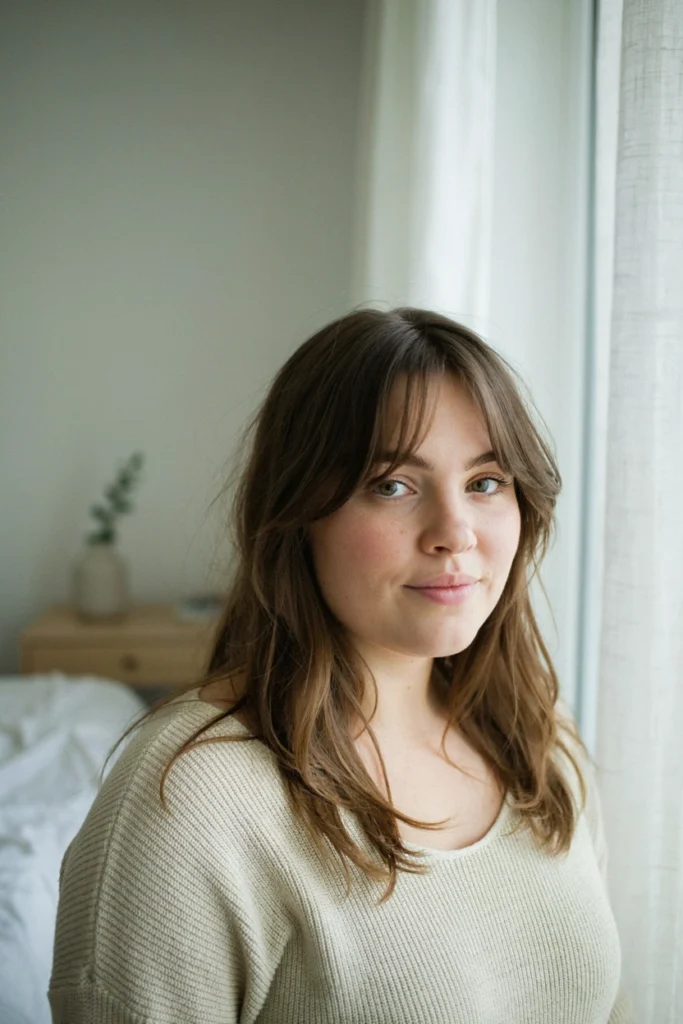
Soft curtain bangs can refresh a medium-length hairstyle while keeping the overall shape flexible. The bangs part naturally near the center and sweep toward the sides, gradually connecting with longer face-framing layers. This creates a softer transition than a heavy straight fringe. Loose waves through the lengths can make the layered shape more noticeable and help the bangs blend into the rest of the haircut. Curtain bangs can also be customized according to natural hair texture. They can be styled with more lift for a voluminous finish or allowed to fall naturally for a relaxed appearance. The surrounding layers can remain subtle so the hairstyle does not become overly complicated. A center part works naturally with curtain bangs, while a slightly shifted part can create an asymmetrical variation. This style offers a fresh update without requiring a dramatic change to the overall length.
- Blow-dry bangs away from center.
- Use a round brush for lift.
- Blend bangs into longer layers.
- Refresh fringe between washes.
Begin styling the bangs while they are still damp because the roots are easier to direct at this stage. Use a round brush to guide each side away from the center as you blow-dry. Let the bangs cool before gently separating them with your fingers. The rest of the hair can be styled with loose waves, natural texture, or a smooth finish. If you want additional volume, apply a lightweight mousse near the roots before drying. Avoid heavy products around the fringe because they can make it appear flat. Between washes, a quick blow-dry can restore the curtain shape without requiring the entire hairstyle to be restyled. The longer front pieces should blend naturally into the surrounding layers, so avoid creating a sharp difference in length. Regular trims can help maintain the curtain shape while allowing the bangs to grow gradually into the haircut.
Wavy Collarbone Layers
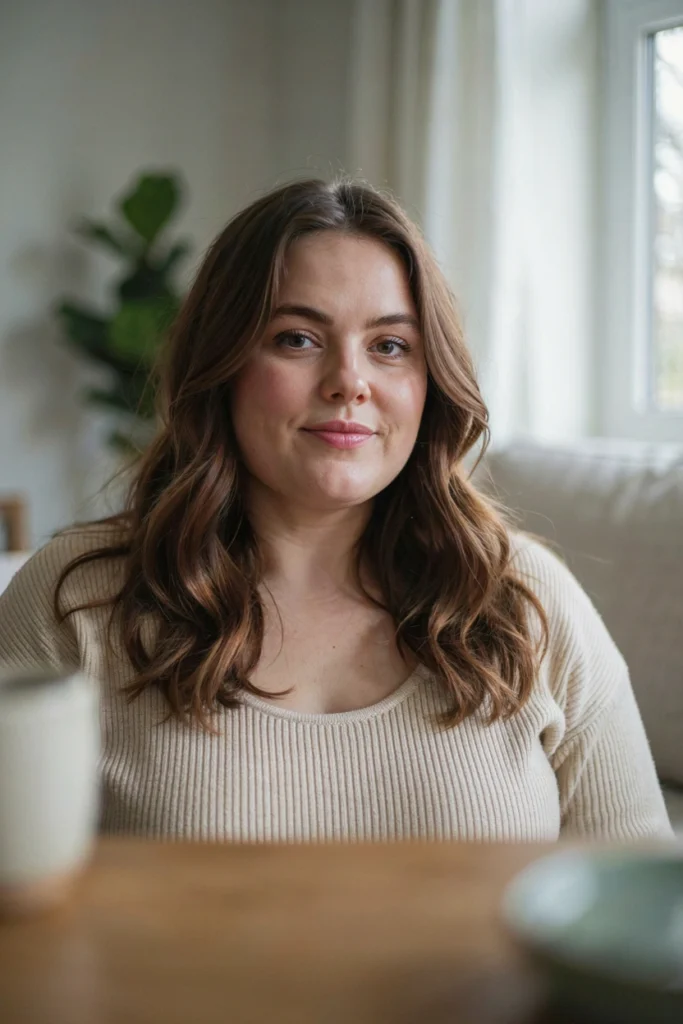
Wavy collarbone layers are a versatile choice when you want movement without giving up too much length. The collarbone placement provides enough weight for the waves to fall naturally while still feeling fresh and manageable. Soft layers can prevent the hair from forming one heavy block around the shoulders and allow different sections to move independently. Gentle face-framing pieces can connect the front to the rest of the haircut without creating a dramatic fringe. The style works with naturally wavy hair and can also be recreated on straighter hair using loose bends. A center part gives the hairstyle a balanced appearance, while a side part introduces more lift and directional movement. The ends can remain lightly textured to keep the haircut from appearing too blunt. Because the length is still practical, the hair can be worn loose, clipped back, or gathered into a low ponytail.
- Use a lightweight wave cream.
- Style waves in larger sections.
- Keep ends relaxed.
- Separate waves with fingers.
For styling, apply a lightweight wave cream or mousse to damp hair and allow natural texture to develop. If your hair is naturally wavy, scrunch gently and avoid disturbing the pattern while it dries. For straighter hair, create broad bends with a large styling tool and leave the ends relatively straight. Alternate the direction of each section so the waves do not look too uniform. After cooling, separate the waves gently with your fingertips. A small amount of flexible texture spray can enhance the layers without making them stiff. If your hair loses movement between washes, lightly mist the lengths with water and reshape only the sections that need attention. You can also shift the part slightly to create a fresh look without changing the haircut. Regular trims help maintain the collarbone shape and keep the layered ends looking healthy and naturally textured.
Voluminous Layered Bob
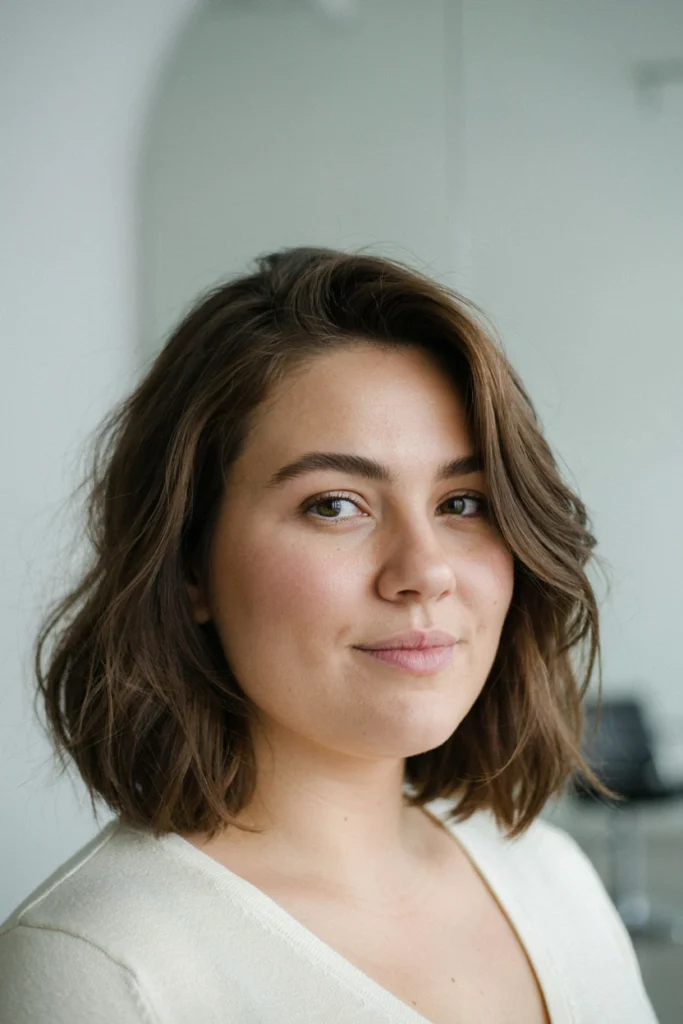
A voluminous layered bob can create a lively hairstyle with movement and body while keeping the overall length manageable. Soft layers allow the hair to move rather than sitting as one solid shape. Gentle waves can enhance the texture, while a smoother finish can showcase the haircut’s rounded structure. The bob can be customized according to hair density, with thicker hair benefiting from carefully placed internal texture and finer hair retaining more weight through the perimeter. The exact length can also vary slightly depending on personal preference. A longer bob offers additional styling flexibility, while a shorter version creates a more compact silhouette. The hairstyle can be worn with a center or side part, depending on the desired amount of movement. Rather than relying on heavy teasing, natural volume can be encouraged through the haircut and lightweight styling products.
- Use mousse at the roots.
- Blow-dry upward for lift.
- Add soft bends through lengths.
- Avoid heavy oils.
For natural volume, apply lightweight mousse near the roots before blow-drying. Lift the roots gently with a brush and direct the airflow upward. Once the foundation is dry, create loose bends through selected sections of the lengths. Avoid tight curls because they can make the bob look overly compact. After the hair cools, use your fingers to loosen the waves and separate the textured ends. A small amount of dry texture spray can add grip without making the hair stiff. If your hair is naturally thick, ask for internal weight reduction rather than removing too much from the visible perimeter. For fine hair, keep layering restrained so the ends maintain fullness. On second-day hair, refreshing the roots can restore the overall volume quickly. This makes the layered bob practical for busy routines while still offering enough texture and movement for a polished everyday hairstyle.
Long Side Bangs Layers
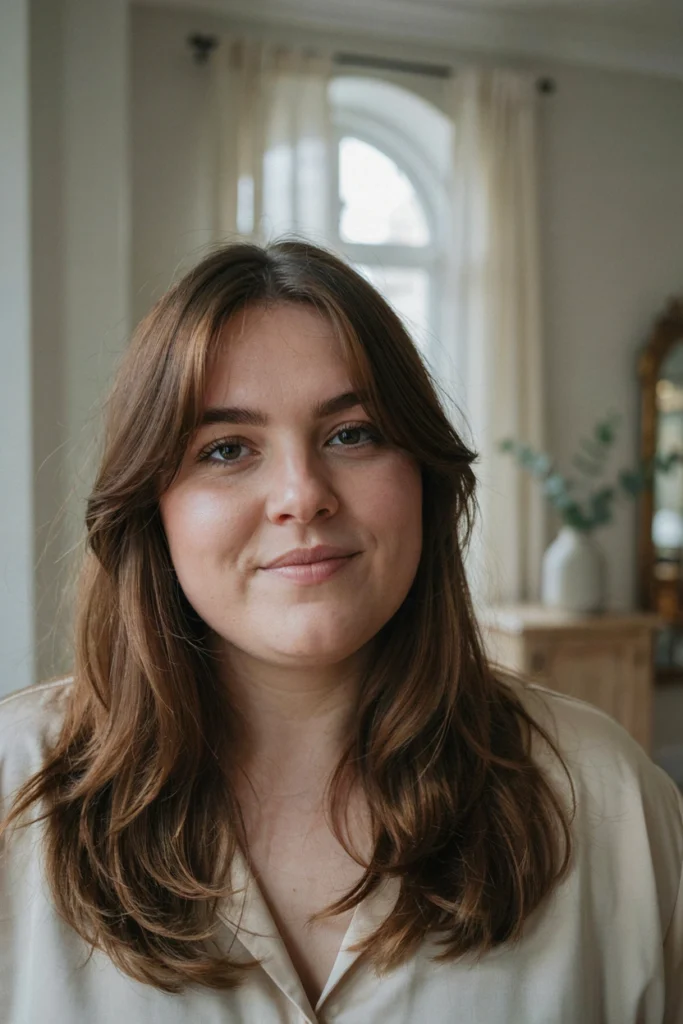
Long side bangs paired with layered hair create a soft, flexible hairstyle that can be adapted to different styling preferences. The bangs sweep naturally toward one side and gradually connect with the surrounding layers. Because the fringe remains longer, it can be styled in several directions or allowed to blend into the haircut over time. Layered lengths create additional movement, especially when paired with loose waves. Straight styling gives the haircut a cleaner appearance, while natural texture makes it feel more relaxed. The length can remain substantial enough for braids, ponytails, clips, and other practical hairstyles. Hair density can also determine how much layering is appropriate. Thicker hair can support additional internal texture, while finer hair may benefit from longer, more connected layers. The result is a hairstyle that introduces detail around the front while preserving versatility throughout the rest of the hair.
- Style bangs away from face.
- Blend bangs into layers.
- Use lightweight styling cream.
- Refresh front pieces separately.
Begin with damp hair and direct the side bangs toward the desired side using a round brush. Drying the roots with gentle lift can help the bangs maintain movement instead of falling flat. Once dry, style the rest of the hair with loose bends or leave it naturally textured. Use your fingers to blend the side bangs into the longer face-framing layers. A small amount of texture spray can emphasize separation without creating stiffness. If the front becomes flat between washes, refresh only the bangs and surrounding layers rather than restyling the entire head. This keeps the routine simple. You can also tuck one side behind the ear for a different finish. The longer bang length makes this style relatively flexible as it grows, but occasional trims can help maintain the desired shape. The goal is a smooth transition from fringe to layers rather than a sharply separated section.
Tousled Medium Shag
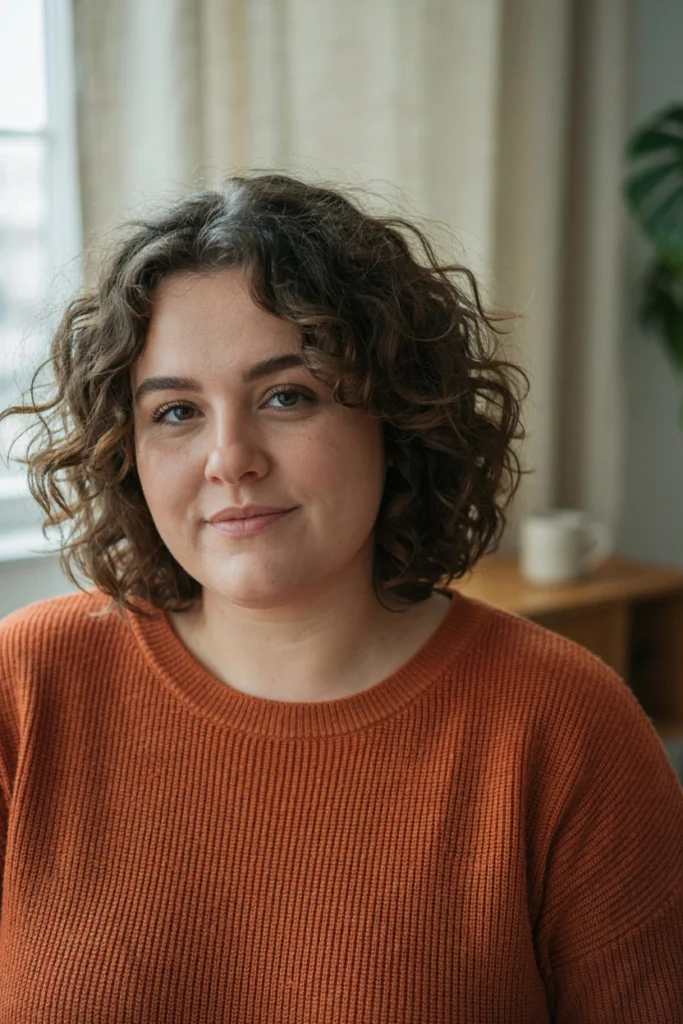
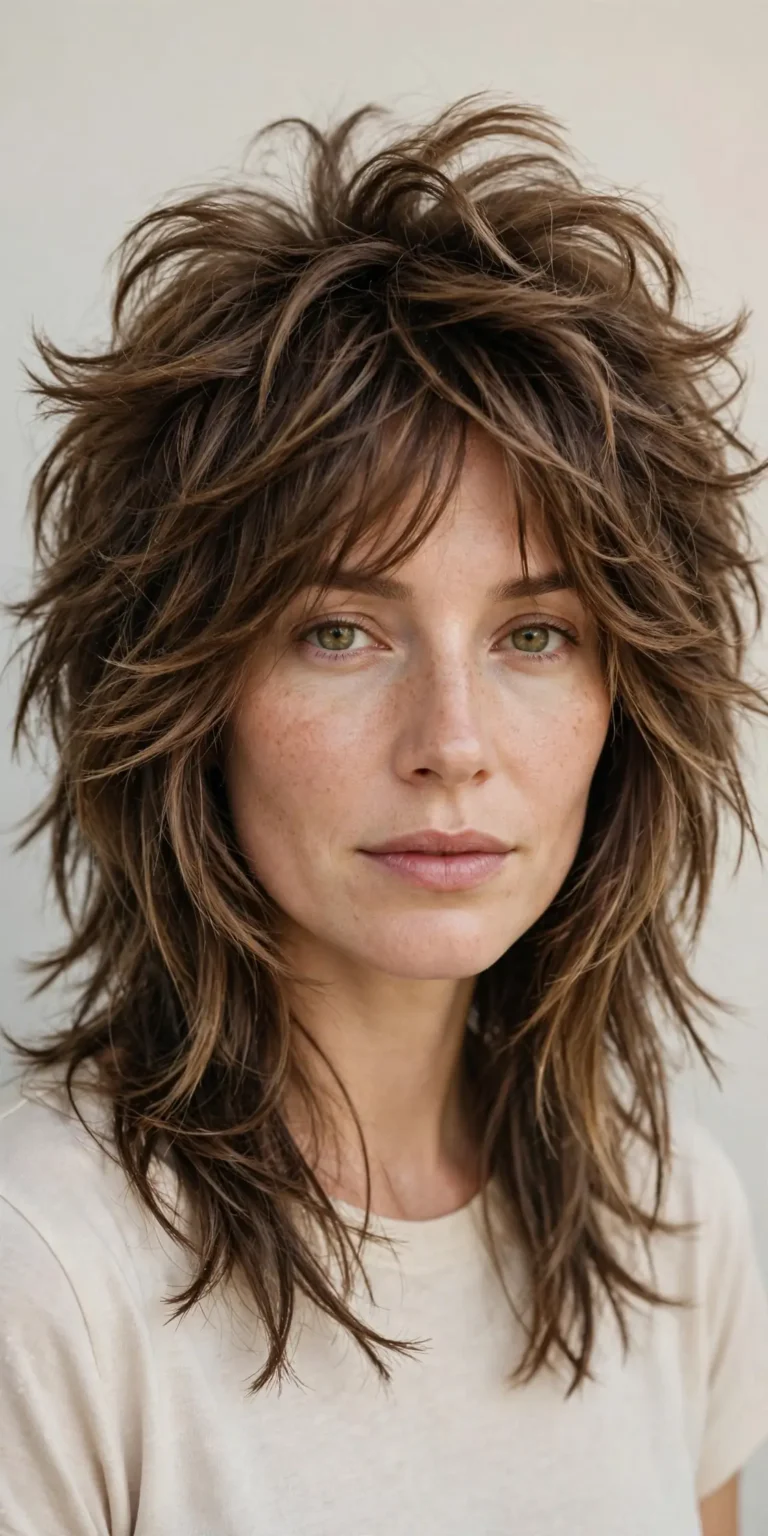
A tousled medium shag brings more noticeable texture and movement to a medium-length haircut. The layers can create airy volume around the crown and gradually become softer toward the ends. Loose waves make the individual sections more visible, while naturally straight hair can showcase the piecey structure in a cleaner way. The medium length remains practical enough for clips and low ponytails while still offering the energetic character associated with a shag. Layer placement should be adjusted according to hair density so the haircut retains enough fullness. Thicker hair can support more internal texture, while finer hair may need more restrained layering. The style does not need to look perfectly messy; controlled variation gives it a polished yet relaxed appearance. A center part creates a balanced foundation, while a slightly shifted part can add extra root movement. This makes the haircut flexible for different everyday styling preferences.
- Use lightweight mousse.
- Scrunch natural texture.
- Add texture spray to ends.
- Avoid heavy wax.
Apply lightweight mousse or texture cream to damp hair, focusing on the mid-lengths and ends. If your hair is naturally wavy, scrunch gently and allow the texture to develop while drying. For straighter hair, create a few loose bends rather than curling every section. This keeps the shaggy layers visible and prevents the style from looking overly controlled. Once dry, use your fingertips to separate the layers and add a small amount of texture spray through the ends. Avoid heavy waxes or creams because they can weigh down the shorter layers and reduce movement. For additional crown volume, dry the roots in different directions before letting them settle naturally. On the following day, refresh the ends with a little water and reshape them by hand. Regular trims help preserve the layered progression and prevent the shag from losing its intended structure as the hair grows.
Soft Curly Shoulder Cut
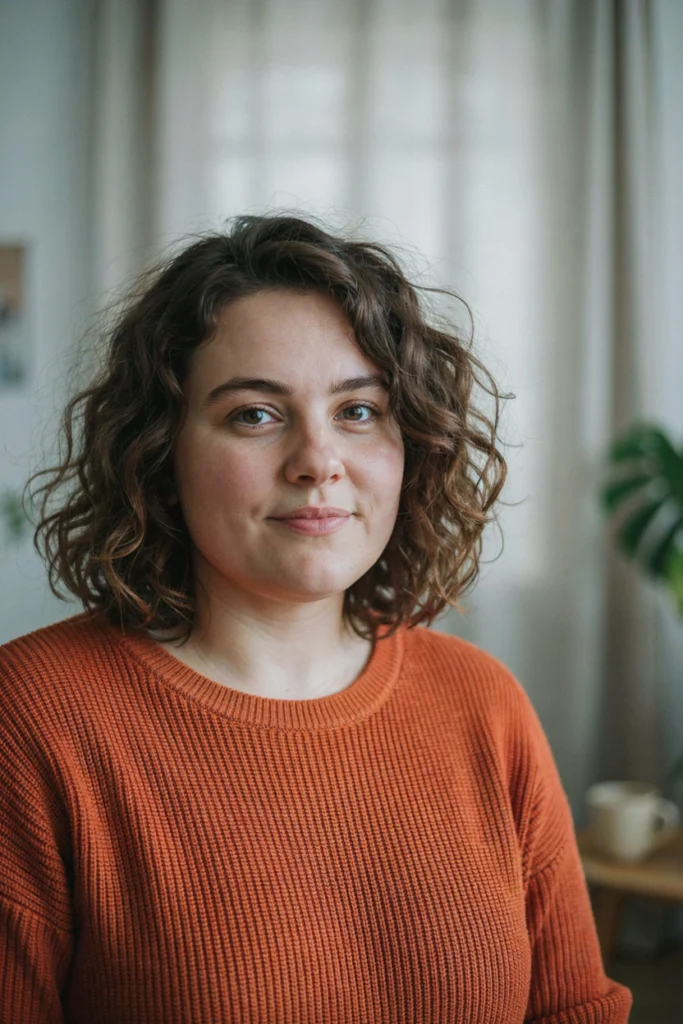
A soft curly shoulder cut lets natural curl pattern become the main feature while keeping the hairstyle practical. The shoulder-length shape gives curls enough room to form while avoiding excessive length and weight. Subtle layers can help distribute the curl volume and prevent the hair from becoming too dense in one area. The finished appearance can vary according to curl pattern, density, and natural shrinkage. Looser curls may create a relaxed silhouette, while tighter curls can produce more visible volume and bounce. Keeping the ends lightly textured allows individual curls to move naturally. The haircut can be worn with a center or side part depending on how you prefer the curls to fall. Because curly hair behaves differently when wet and dry, the shape should account for natural movement and shrinkage. The result is a lively, textured hairstyle that celebrates natural curls while remaining easy to personalize.
- Style curls while damp.
- Use moisturizing curl cream.
- Diffuse gently if needed.
- Avoid dry brushing.
Apply a moisturizing curl cream or lightweight defining product to damp hair and distribute it evenly. Scrunch the lengths gently to encourage the natural curl pattern, then allow the hair to air-dry or use a diffuser on a gentle setting. Once dry, lift the roots lightly and separate a few curls with your fingertips. Avoid brushing the curls while they are dry because this can disrupt their pattern and create unnecessary frizz. Between washes, refresh flattened sections with a little water and reshape them by hand. There is usually no need to completely restyle the entire haircut. If certain curls need extra definition, apply a tiny amount of product directly to those sections. Regular trims help maintain the balance between the layers and shoulder-length perimeter. With gentle handling and enough moisture, this haircut can maintain soft bounce, natural movement, and authentic texture without requiring an elaborate daily routine.
Conclusion
Finding a hairstyle you love is about choosing a shape, length, and texture that work with your personal style and daily routine. These plus size hairstyles with double chin include layered lobs, waves, curtain bangs, shaggy cuts, bobs, curls, and face-framing layers, giving you different ways to explore texture and movement. You can choose a softer layered style, keep more length, add natural waves, or experiment with bangs depending on what feels comfortable and expressive for you. The key is to work with your natural hair texture and choose a haircut that fits the amount of styling you enjoy. Save your favorite ideas as inspiration for your next salon conversation and personalize the details to suit your hair density, texture, and preferred finish.
Meta Title: 11 Plus Size Hairstyles with Double Chin
Meta Description: Discover 11 plus size hairstyles with double chin, including layered cuts, waves, bobs, curls, bangs, and textured styles for versatile hair inspiration.