15 Study Room Aesthetic Ideas for a Calm Focused Space
A well-designed study room aesthetic can make a big difference in how you focus and feel while working. It’s not just about decoration—it’s about creating a space that supports productivity, reduces distractions, and feels comfortable to use every day. From lighting and layout to color and storage, each element plays a role in shaping the overall atmosphere. These ideas focus on practical ways to build a calm and visually appealing study space that helps you stay organized, motivated, and focused.
1. Neutral Minimal Aesthetic for Distraction-Free Focus
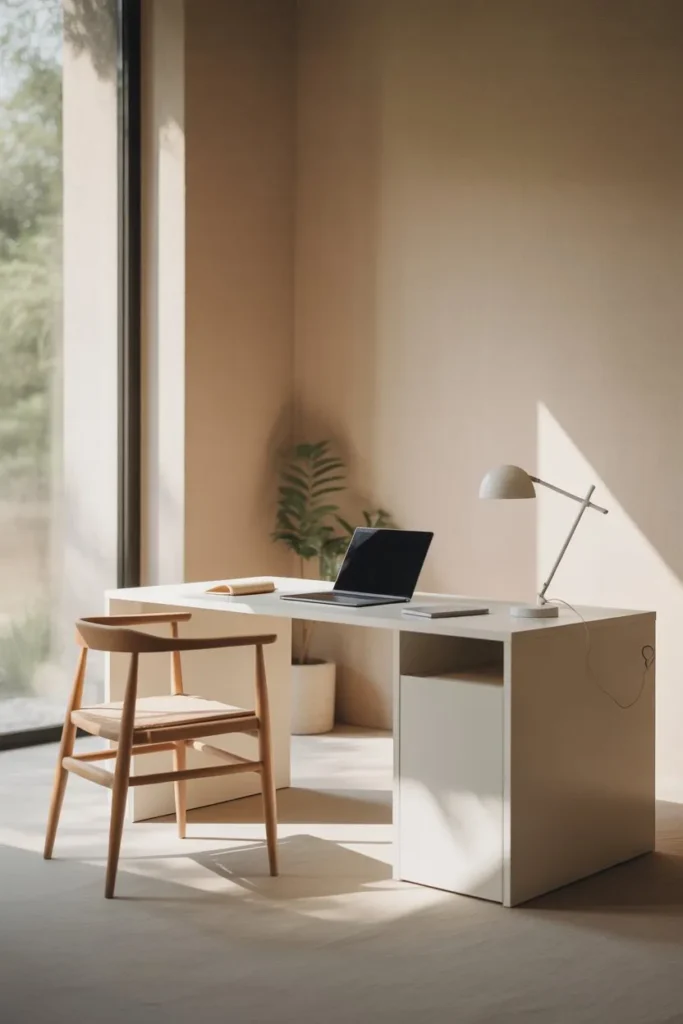
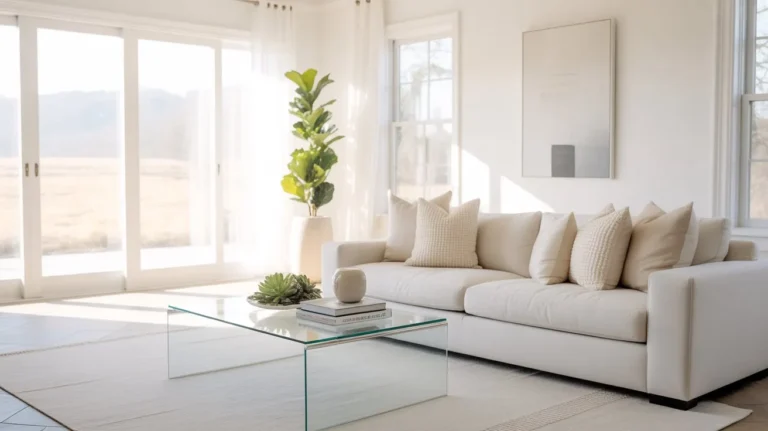
A neutral minimal aesthetic reduces visual distractions and helps the mind stay focused. Soft tones like beige, white, and light gray create a calm backdrop that supports long study sessions.
Keeping the desk clean and limiting decor ensures the space remains functional. This style works best for those who prefer a quiet, structured environment where nothing competes for attention.
2. Warm Lighting Aesthetic for Cozy Productivity
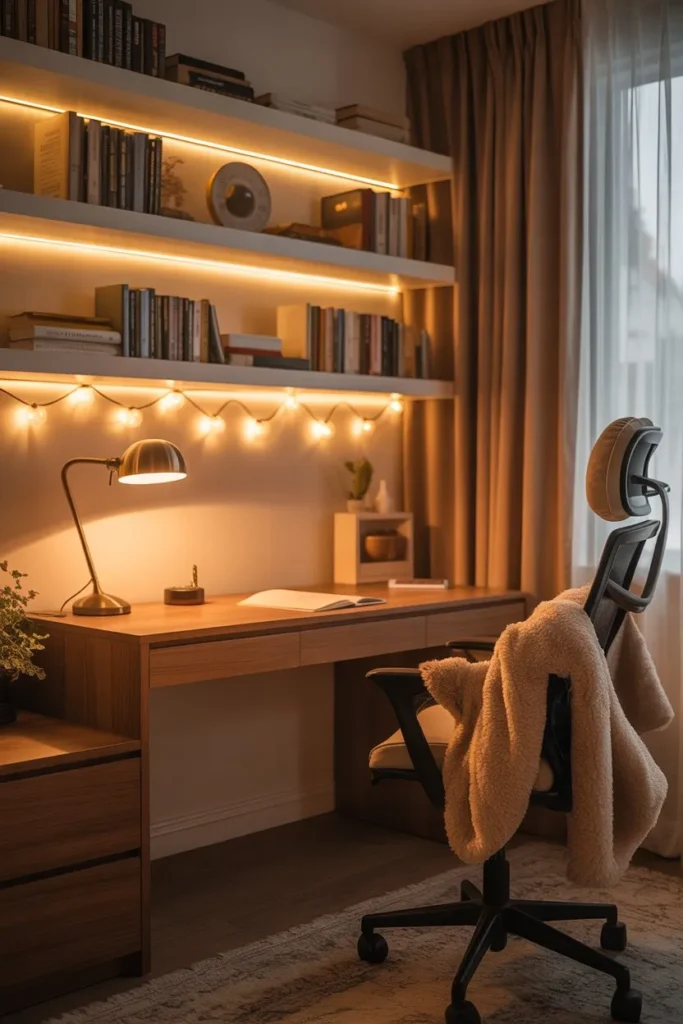
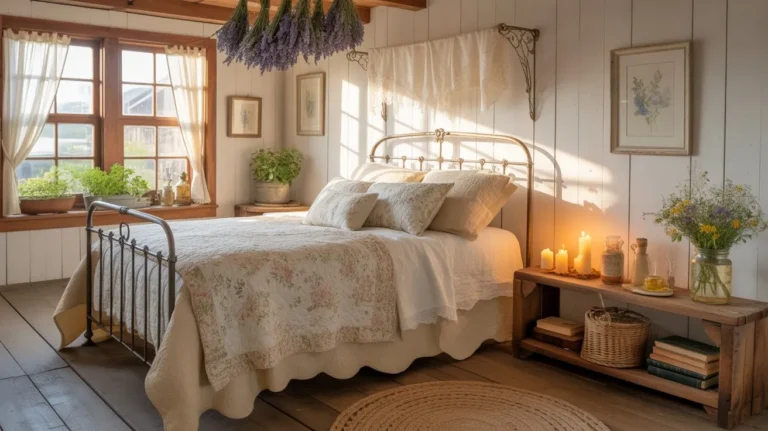
Lighting plays a huge role in creating an aesthetic study space. Warm lighting makes the room feel comfortable and inviting, especially during evening study sessions.
Using a combination of desk lamps and soft ambient lighting helps maintain focus without harsh brightness. This creates a balanced atmosphere that supports both comfort and productivity.
3. Nature-Inspired Aesthetic with Green Elements
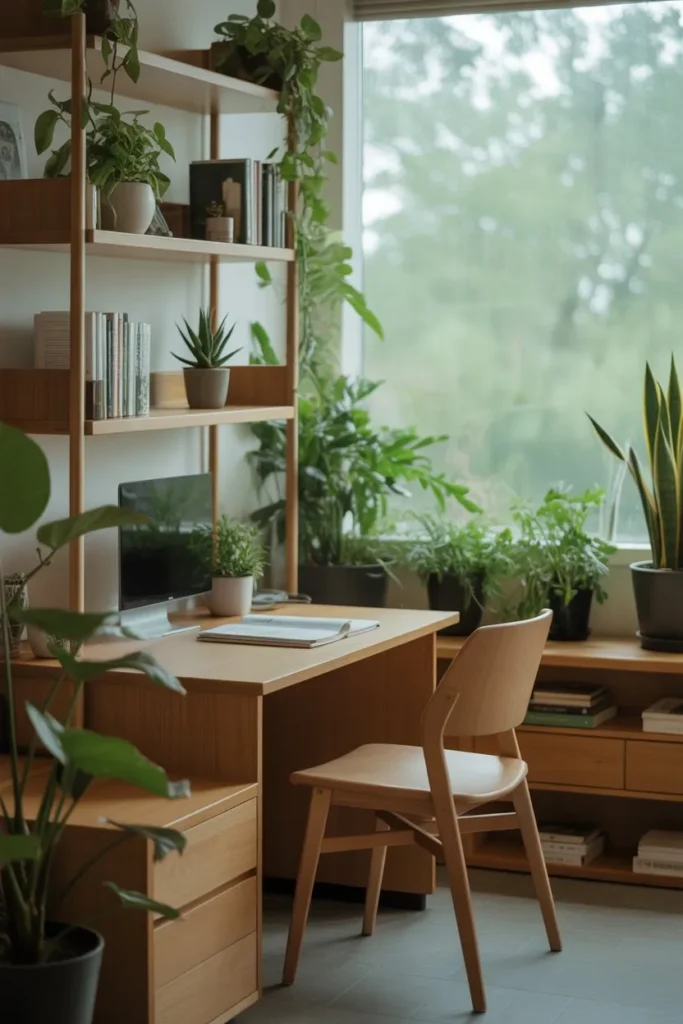
Adding plants introduces a natural element that improves both mood and focus. Greenery softens the space and makes it feel more relaxed without cluttering the setup.
Pairing plants with wood textures enhances the organic feel. This aesthetic works well for creating a refreshing and balanced study environment.
4. Clean Desk Setup with Functional Aesthetic

A clean desk is the foundation of a focused aesthetic. Keeping only essential items visible creates a sense of order and clarity.
Functional aesthetics focus on usability first, ensuring every item has a purpose. This prevents the space from becoming decorative but impractical.
5. Soft Textured Aesthetic for Comfort and Depth
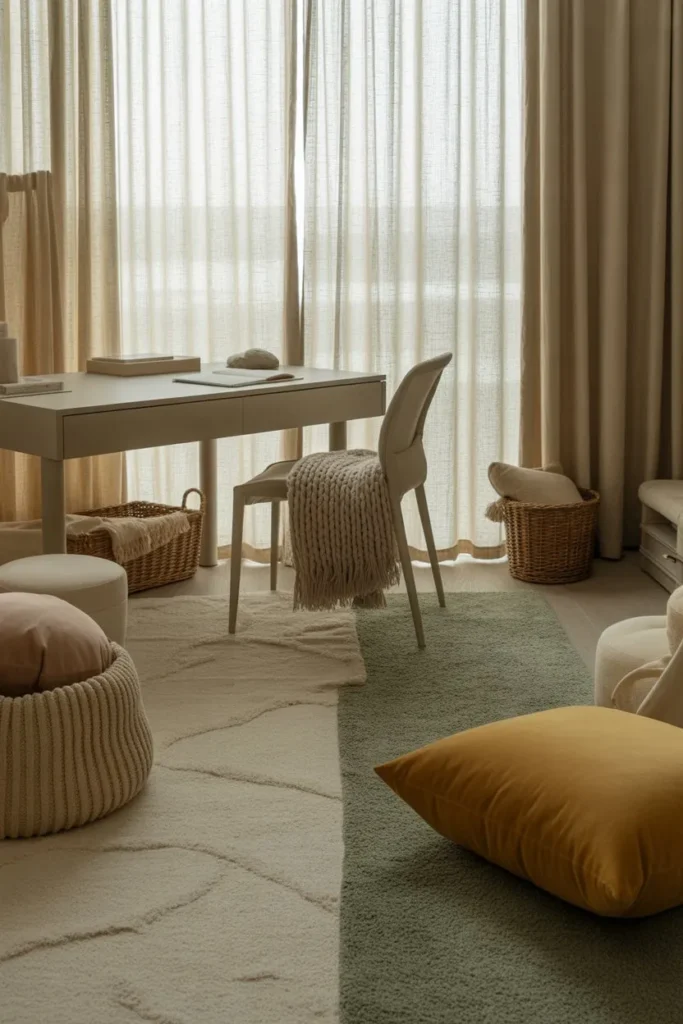
Textures add depth without overwhelming the space. Elements like soft rugs, fabric chairs, or subtle wall decor make the room feel more comfortable and inviting.
Keeping textures within a consistent color palette ensures the aesthetic remains calm and cohesive.
6. Monochrome Aesthetic for Visual Clarity
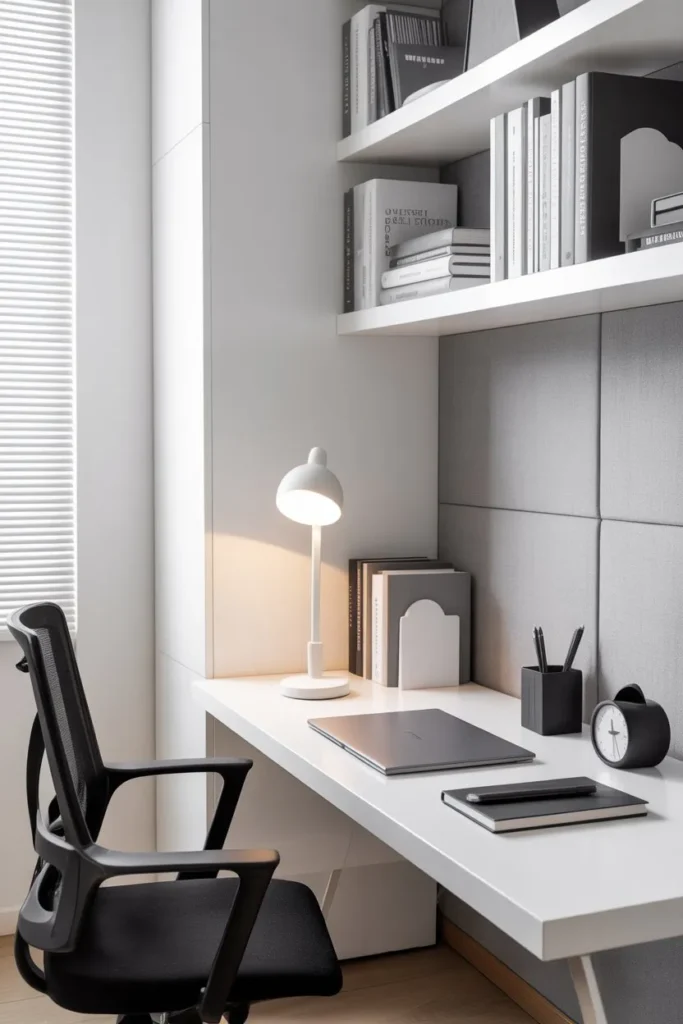
A monochrome aesthetic creates a clean and visually consistent environment that helps reduce distractions. Using one color family across furniture, walls, and decor keeps the space cohesive and structured.
To avoid the room feeling flat, mix subtle textures within the same tones. This maintains visual interest while preserving the calm, focused atmosphere needed for studying.
7. Window-Focused Study Setup for Natural Energy
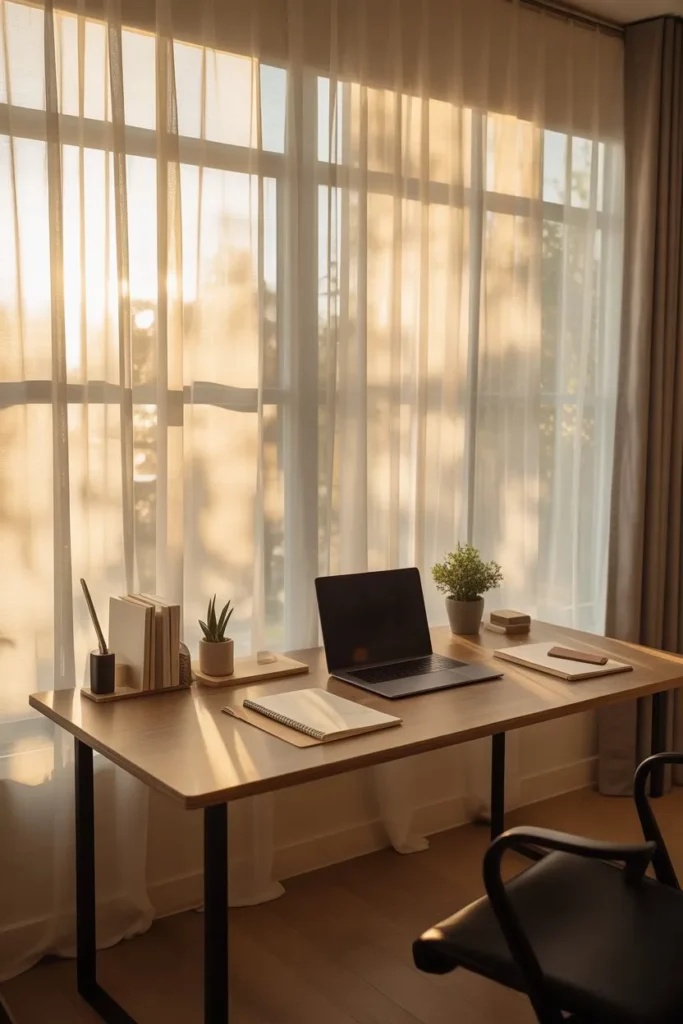
Positioning your study desk near a window enhances both mood and productivity. Natural light reduces eye strain and makes the space feel more open and refreshing.
The aesthetic benefit is just as important—the room feels brighter and more alive. Keeping the area around the window uncluttered ensures maximum light flow.
8. Aesthetic Wall Grid or Pinboard Display
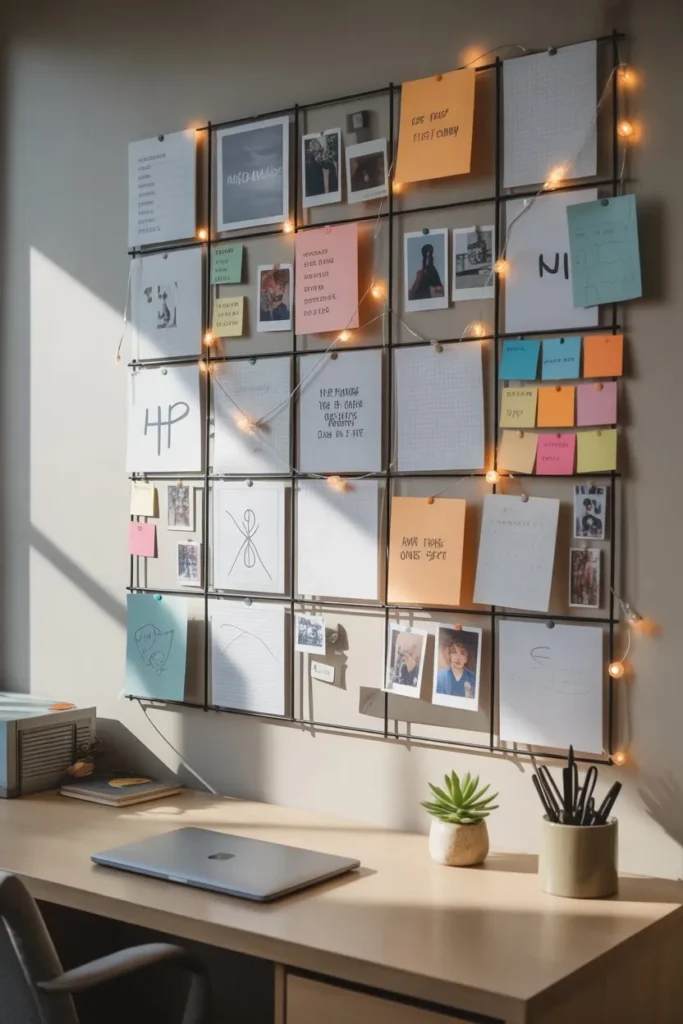
A wall grid or pinboard adds a personal aesthetic without overwhelming the space. It allows you to display notes, inspiration, or reminders in a controlled and organized way.
This keeps the desk clear while still adding character to the room. The key is avoiding overcrowding so the display remains visually calm.
9. Soft Ambient Lighting with Layered Glow
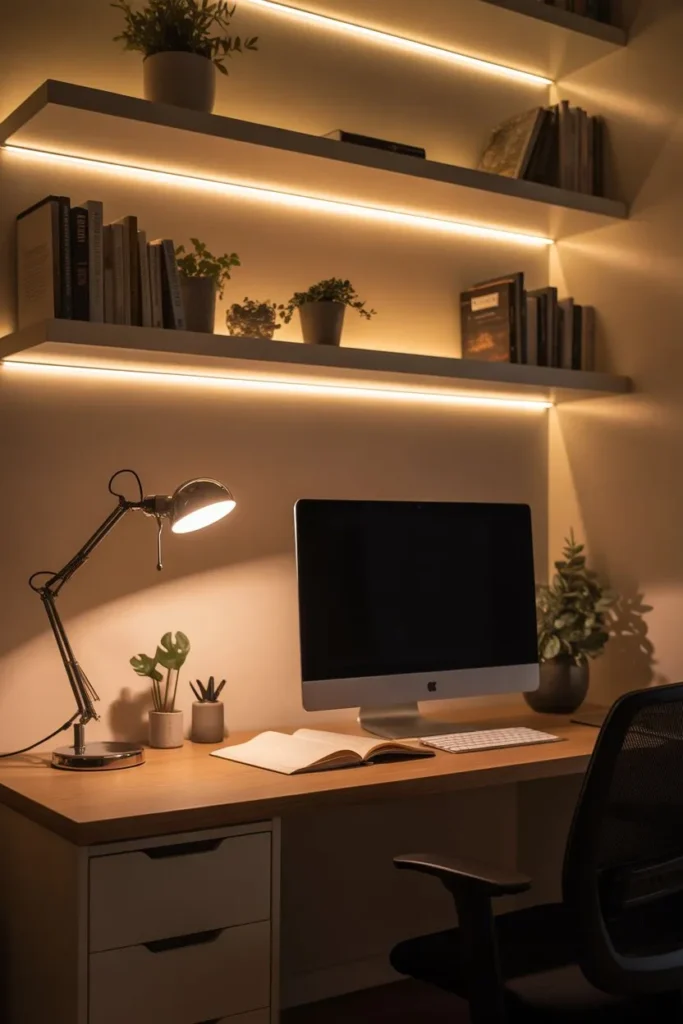
Layered lighting creates depth and enhances the overall aesthetic. Combining task lighting with soft ambient sources helps the room adapt to different needs throughout the day.
This approach improves both functionality and mood, making the space feel more comfortable during long study sessions.
10. Balanced Layout with Clear Visual Flow
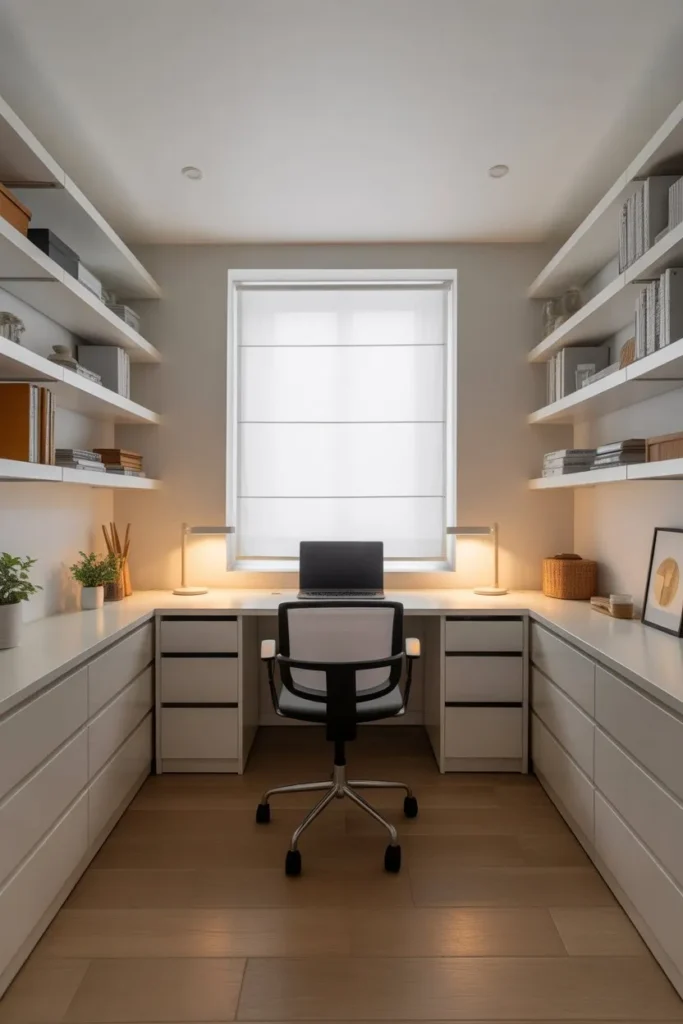
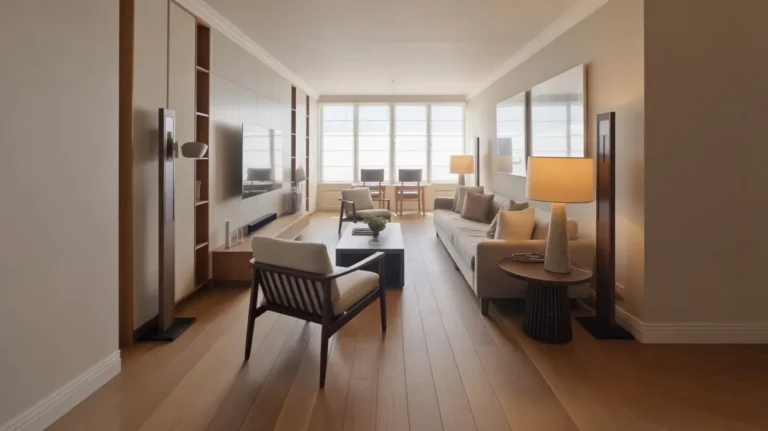
A well-balanced layout ensures the room feels open and easy to navigate. Keeping pathways clear and arranging furniture thoughtfully prevents the space from feeling crowded.
This improves both usability and aesthetics, allowing the room to remain calm and functional at the same time.
11. Decluttered Aesthetic for Mental Focus
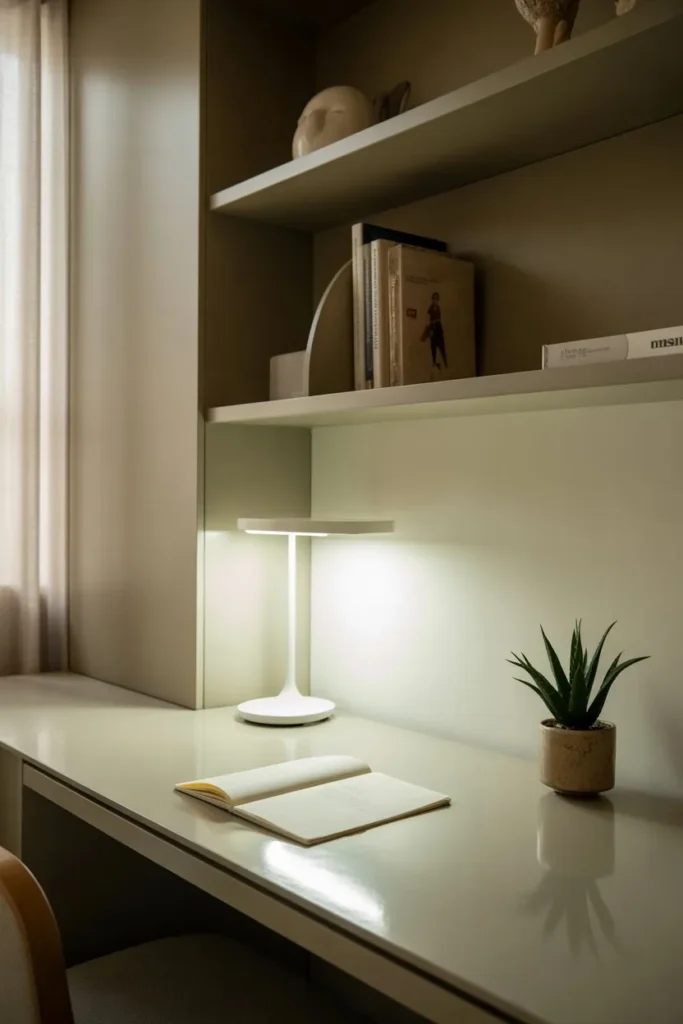
A clutter-free environment directly improves focus and mental clarity. When surfaces are clean and organized, your mind isn’t distracted by unnecessary visual noise.
Keeping only essential items on the desk ensures the space remains functional while still looking aesthetically pleasing. This approach supports long study sessions without mental fatigue.
12. Soft Color Accent Aesthetic for Subtle Personality
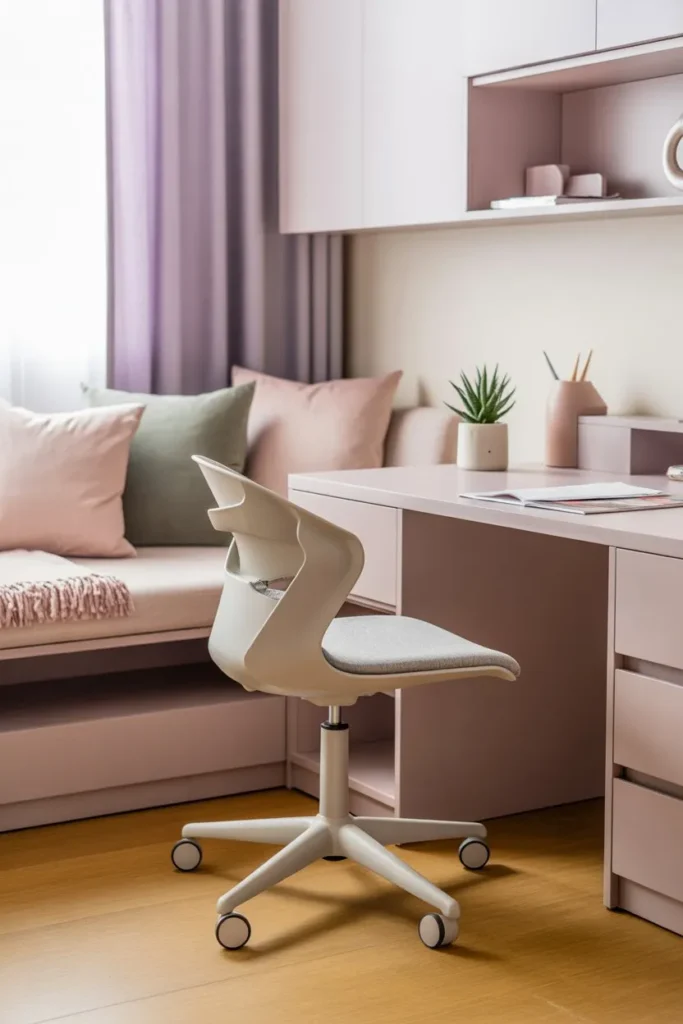
Adding soft color accents introduces personality without disrupting the calm atmosphere. Pastel tones or muted colors can be used in small elements like cushions, decor, or stationery.
This keeps the room visually interesting while maintaining a focused and balanced environment.
13. Compact Aesthetic Setup for Small Spaces
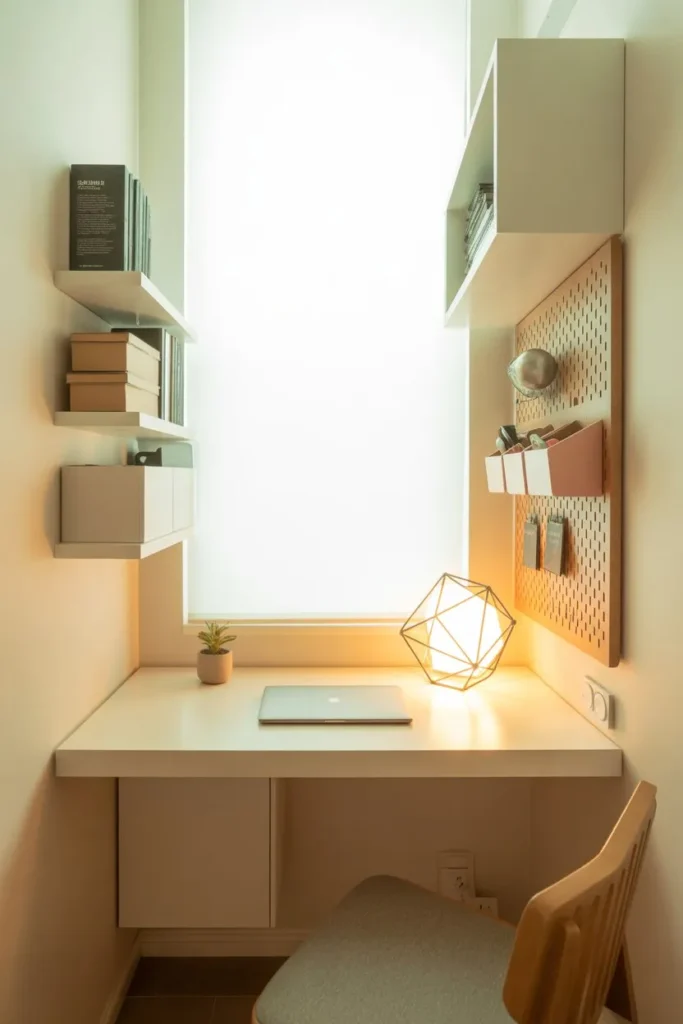
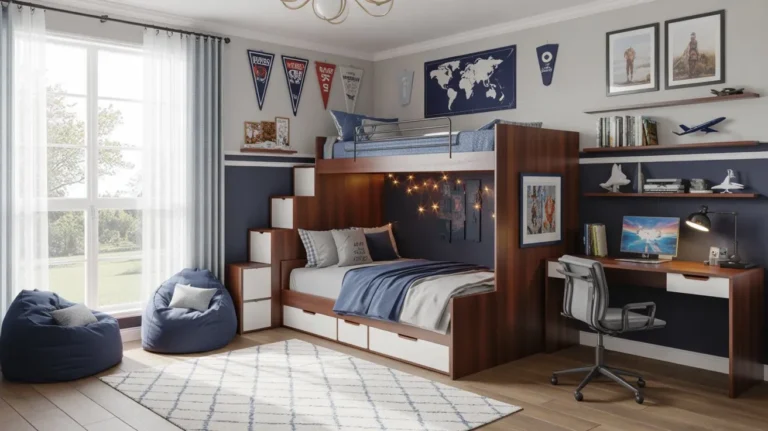
In smaller rooms, a compact setup is essential for maintaining both function and aesthetics. Using space-efficient furniture and smart storage ensures everything fits without feeling crowded.
Keeping the layout simple and open helps the room feel larger and more comfortable to use.
14. Aesthetic Storage Integration for Clean Look
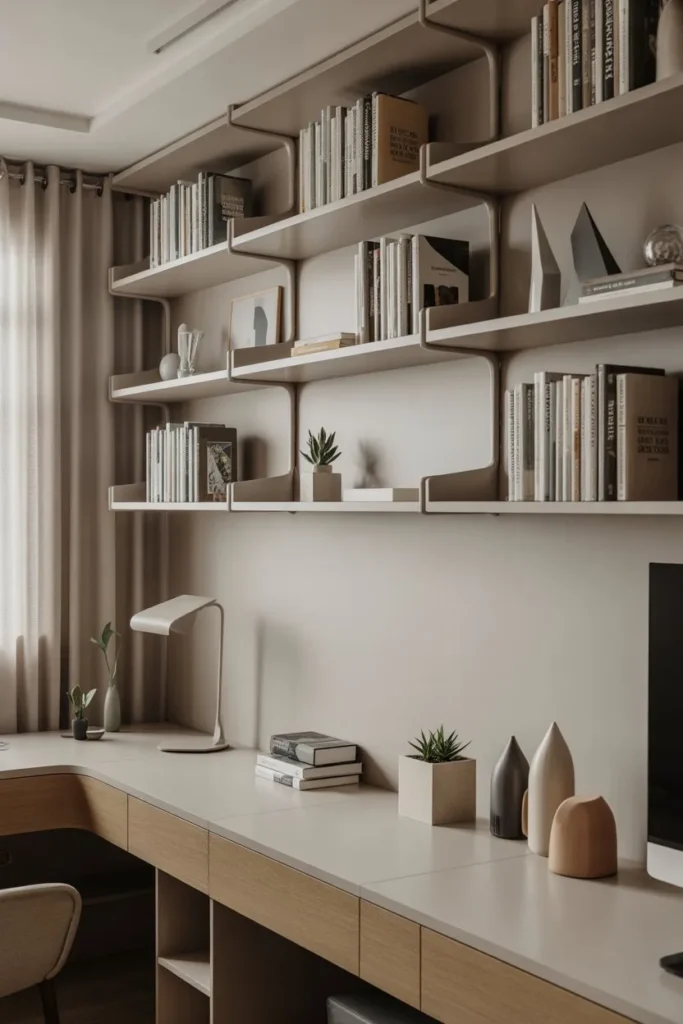
Storage should blend into the overall design rather than stand out. Using shelves, drawers, or cabinets that match the room’s aesthetic keeps everything organized while maintaining visual harmony.
This ensures the space stays tidy without sacrificing style, which is key for long-term usability.
15. Fully Balanced Study Room Aesthetic
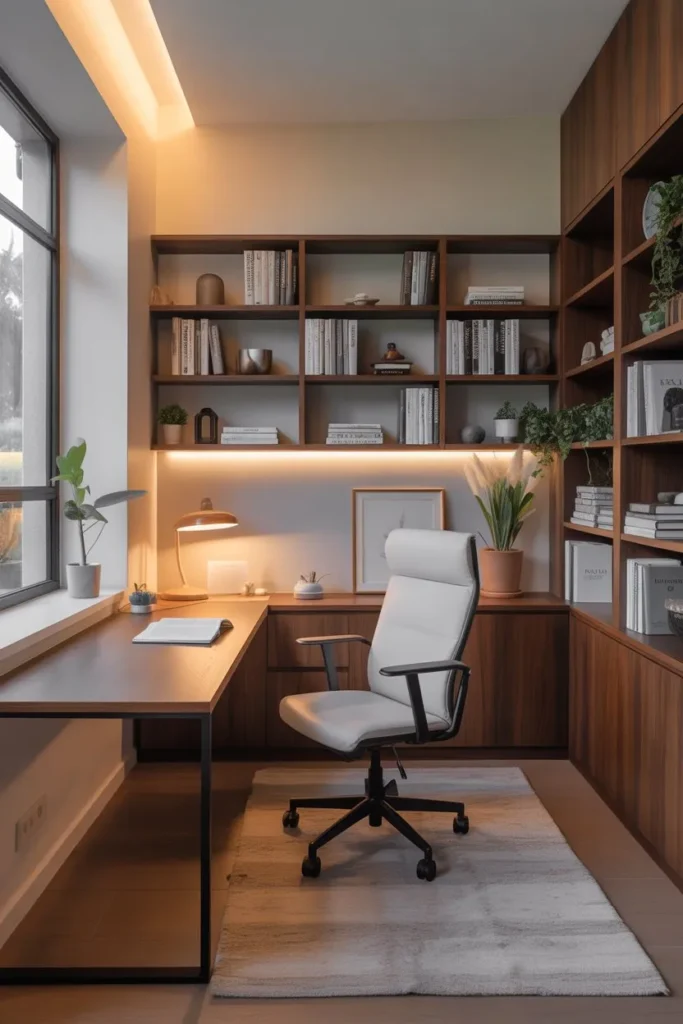
The best study room aesthetics combine simplicity, comfort, and functionality. Every element—from lighting to layout—should support focus while maintaining a calm visual tone.
When everything is aligned, the space feels effortless, organized, and motivating. This balance is what turns a simple study area into a productive and visually pleasing environment.
Conclusion
The best study room aesthetic ideas focus on balance, simplicity, and functionality. By combining clean layouts, soft lighting, and thoughtful design choices, you can create a space that supports both focus and comfort. Small details, like decluttered surfaces and subtle color accents, can make a big impact over time. With the right approach, your study room can become a calm and inspiring environment that improves productivity and daily workflow.