27 Couch in Middle of Living Room Ideas for Better Flow
Placing a couch in the middle of the living room can completely transform how a space feels and functions. Instead of pushing furniture against walls, a central sofa creates better flow, defines zones, and makes the layout more dynamic. This approach works especially well in open-plan homes where structure is needed without adding walls. With the right placement and supporting elements, a center couch can make the room feel more organized, comfortable, and visually balanced.
1. Floating Couch to Define Open Space
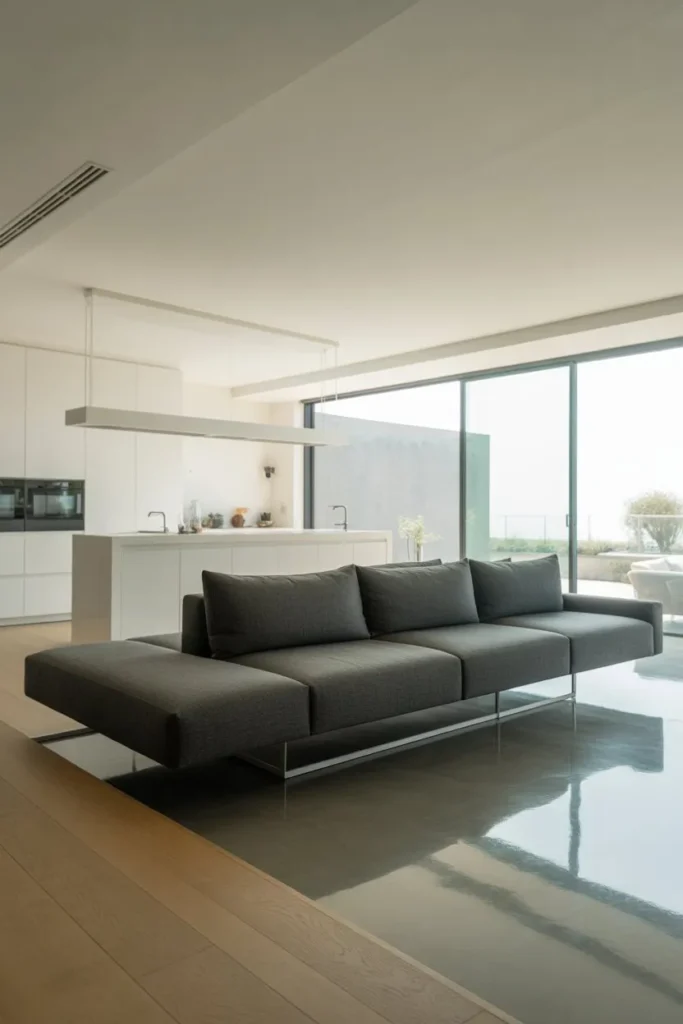
Placing a couch in the center of the room helps define the living area without needing walls. In open layouts, this creates a clear boundary between spaces like dining and lounging.
The key is leaving enough walking space around the sofa so movement feels natural. This setup improves flow while making the room feel more intentional and structured.
2. Couch with Console Table Behind for Function
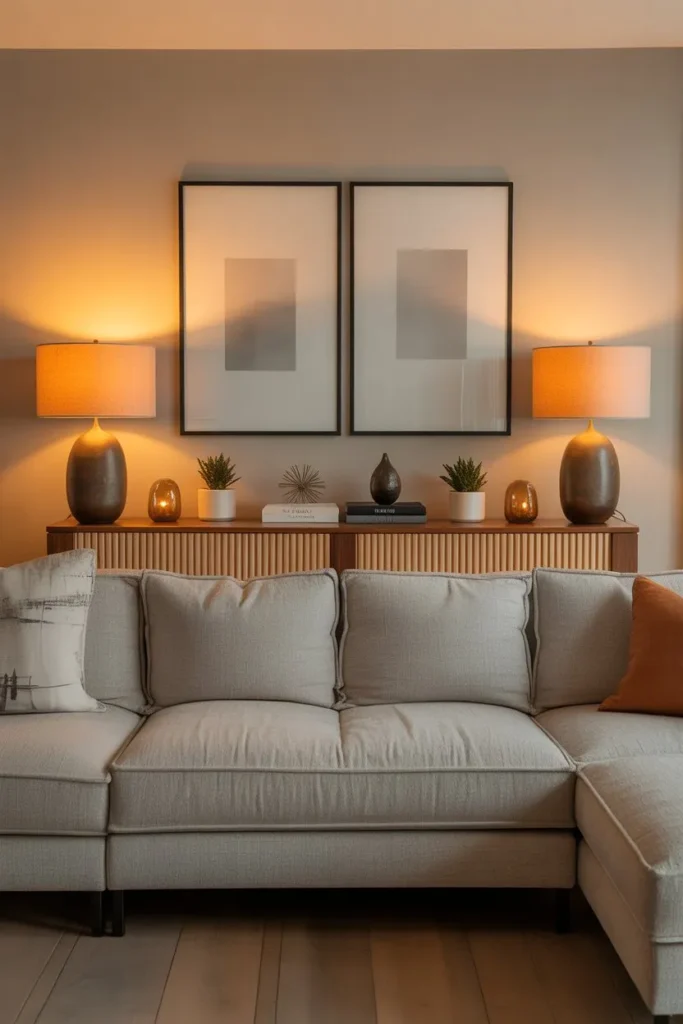
Adding a console table behind the couch makes the layout more functional. It provides space for lighting, decor, or storage while visually anchoring the sofa.
This also helps the couch feel less “floating” and more integrated into the room. It’s a practical way to combine style with usability.
3. Center Couch with Rug to Anchor Layout
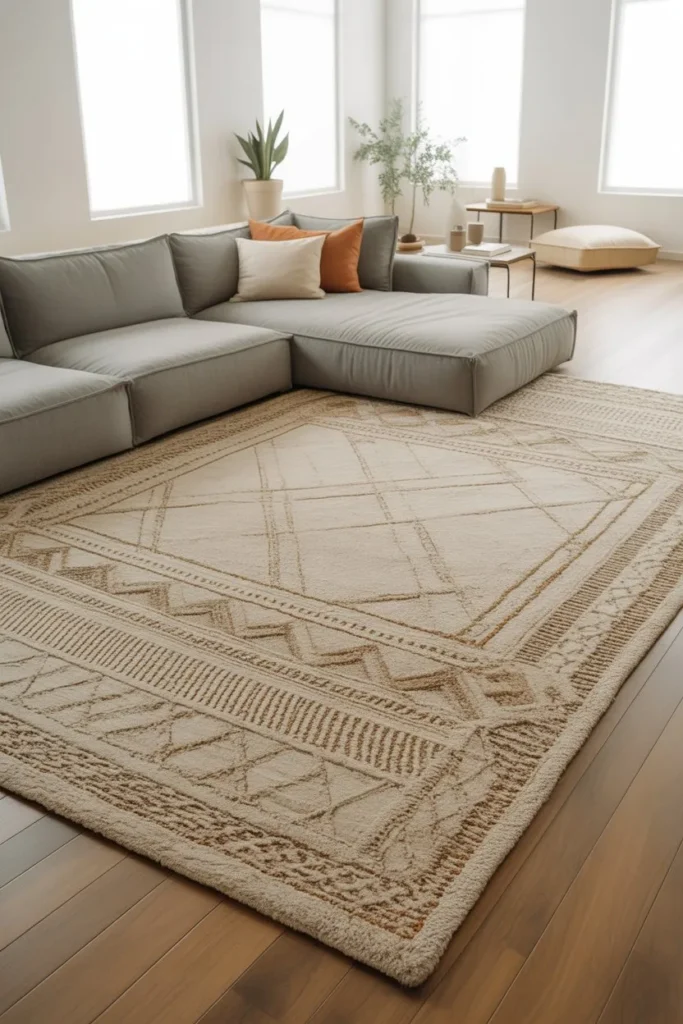
A rug is essential when placing a couch in the middle of the room. It visually anchors the seating area and prevents it from feeling disconnected.
Choosing the right size ensures all seating elements feel part of one zone. This creates a cohesive and balanced layout.
4. Couch Facing Focal Point for Better Orientation
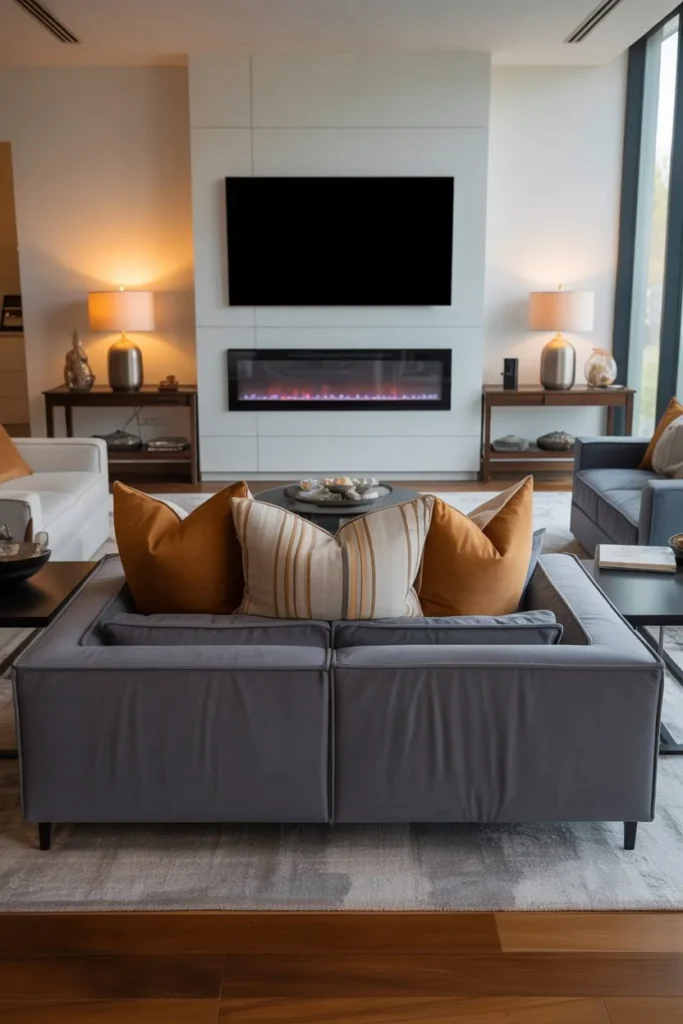
Even when placed in the middle, the couch should face a focal point like a TV, fireplace, or window. This gives direction to the layout and improves usability.
Without a clear focal point, the space can feel random. Orientation ensures the setup feels purposeful and comfortable.
5. Dual-Sided Layout with Couch as Divider
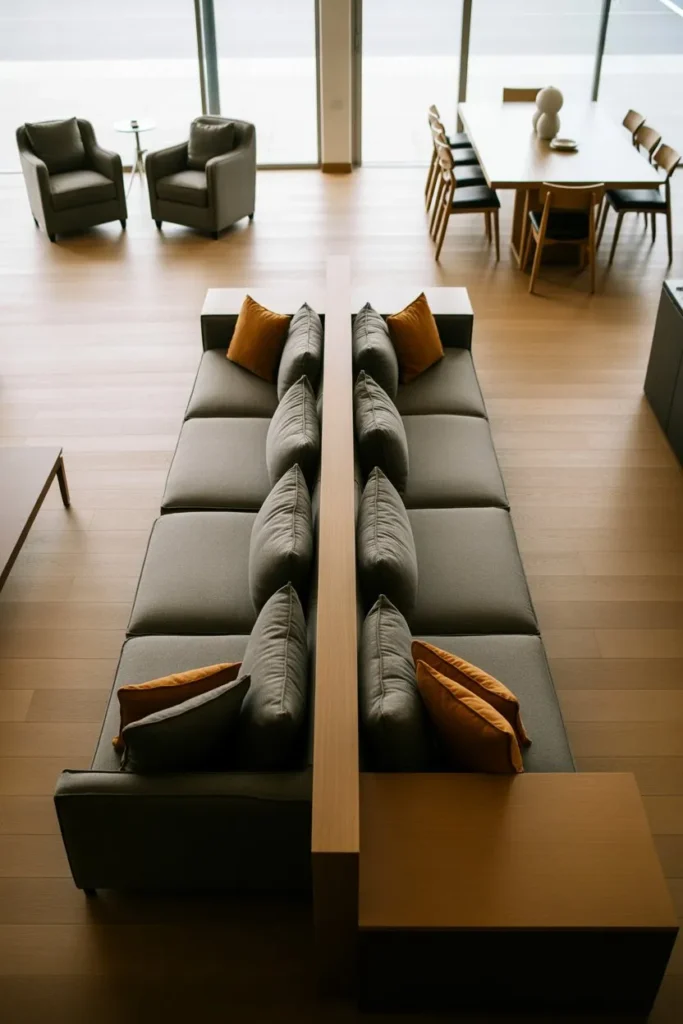
A couch can act as a natural divider between two functional areas. One side can serve as the main seating area, while the other supports a different activity like dining or working.
This approach is especially useful in open-plan homes where defining zones is important without adding walls.
6. Couch with Walkways on Both Sides
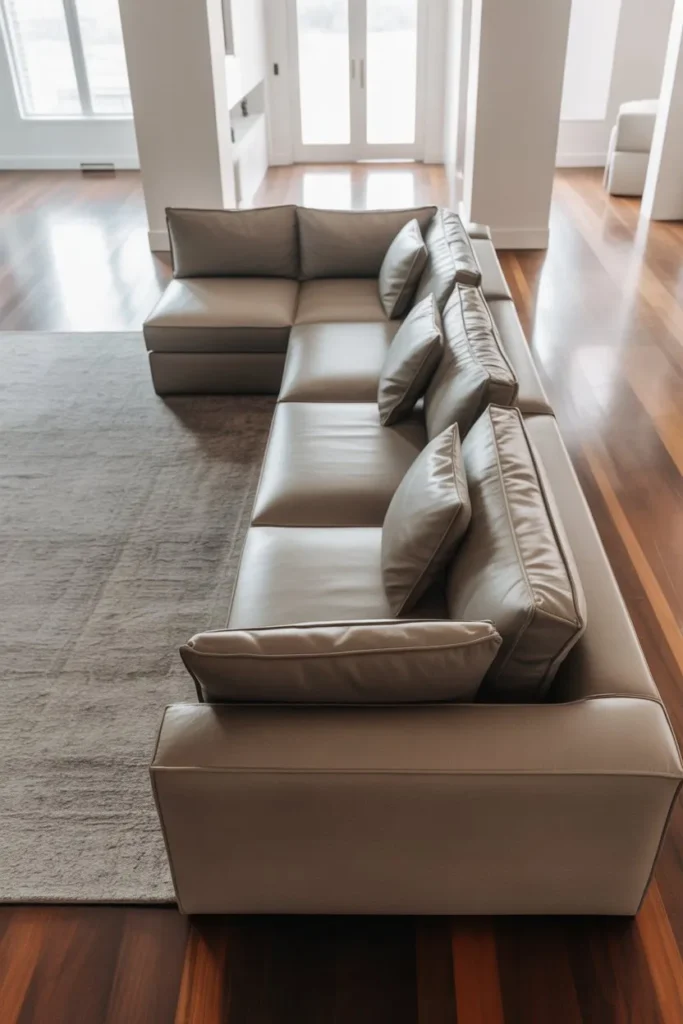
Leaving walkways on both sides of a centrally placed couch improves circulation and prevents the space from feeling blocked. Instead of pushing furniture against walls, this creates a more open and breathable layout.
This setup works especially well in larger rooms where movement needs to remain fluid. It ensures the couch doesn’t interrupt traffic flow while still anchoring the seating area.
7. L-Shaped Sectional in the Center for Defined Zone
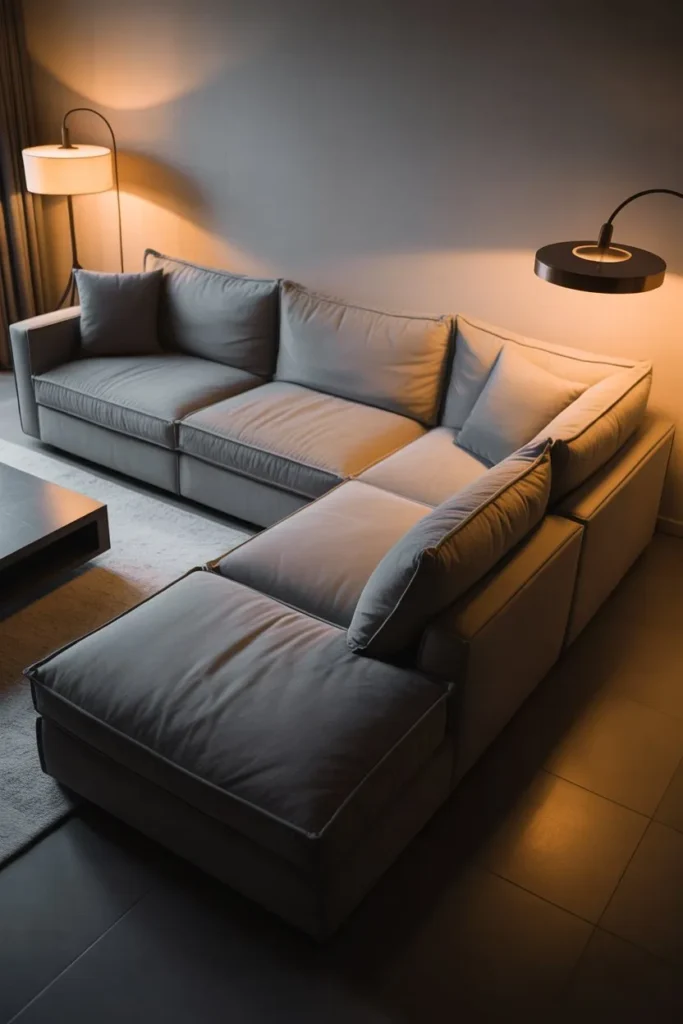
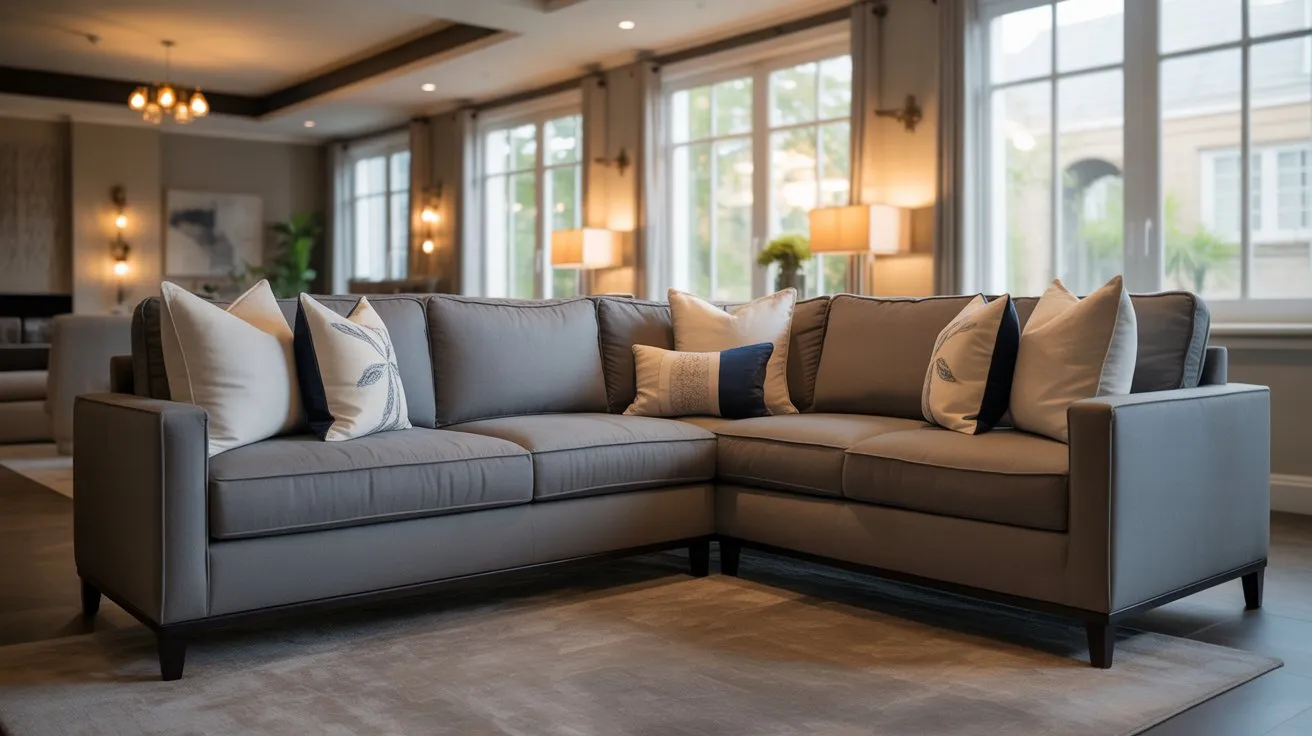
An L-shaped sectional placed in the center naturally creates a defined seating zone. Its shape helps enclose the space without needing additional furniture.
This works particularly well in open layouts where you want a clear living area. The sectional also adds comfort while maintaining strong visual structure.
8. Couch Back Facing Entry for Subtle Separation
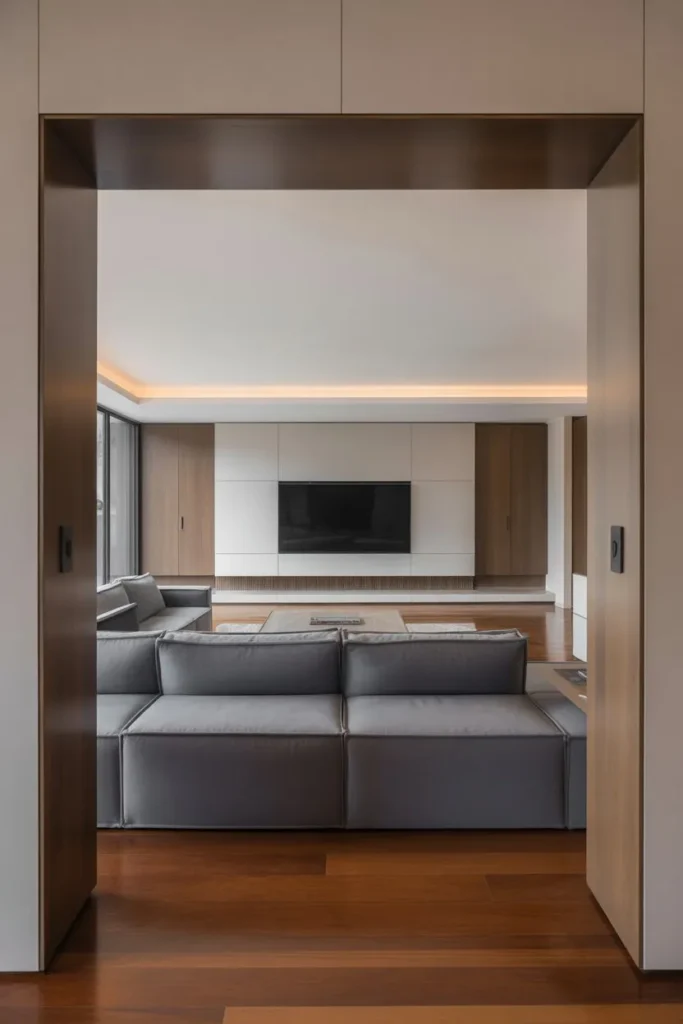
Positioning the back of the couch toward the entryway creates a soft boundary between the entrance and the living space. This helps separate zones without making the room feel closed off.
It also directs attention toward the main seating area, guiding how the space is used naturally.
9. Couch Paired with Accent Chairs for Balance
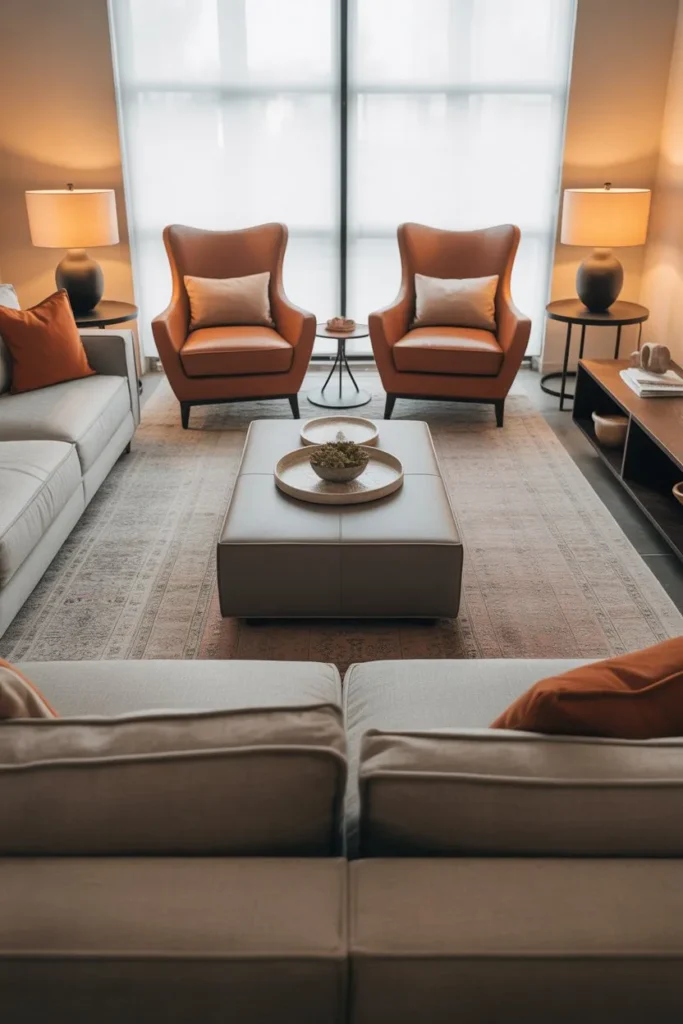
Balancing a central couch with chairs creates a complete seating arrangement. This prevents the couch from feeling isolated and encourages conversation.
Spacing between pieces should allow easy movement while keeping the layout cohesive. This setup works well for both small gatherings and daily use.
10. Center Couch with Lighting to Define Area
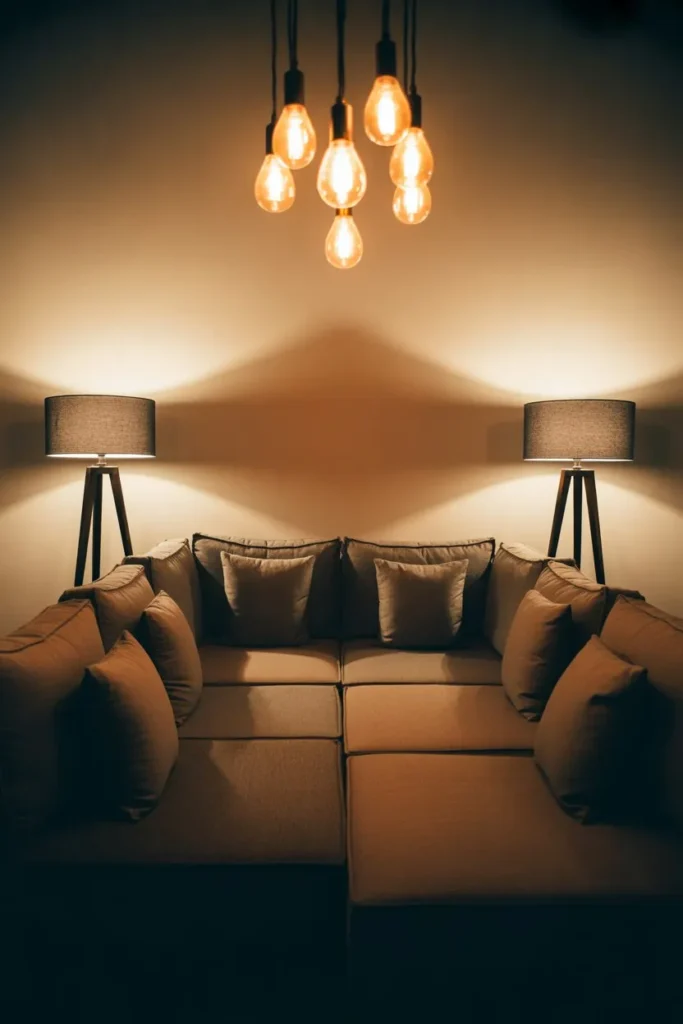
Lighting can help define the seating area when the couch is placed in the middle. A floor lamp or overhead fixture visually anchors the space and adds warmth.
This creates a clear focal zone without needing additional walls or dividers. It also improves functionality by providing proper lighting for the seating area.
11. Couch with Back-to-Back Furniture Layering
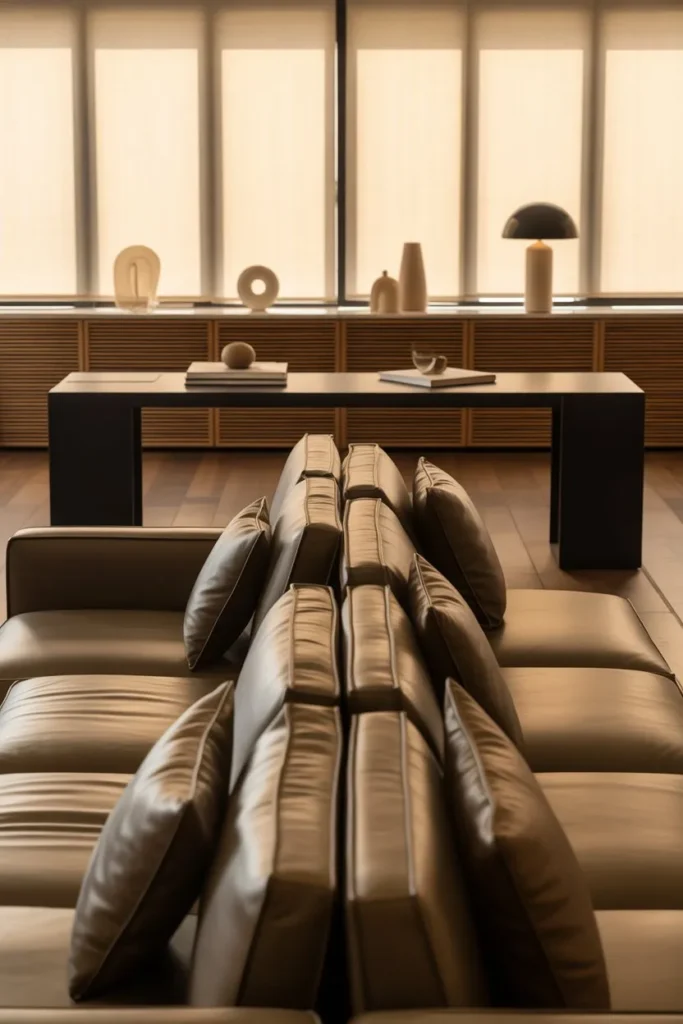
Placing another functional piece—like a console table, desk, or even a low cabinet—behind the couch creates a layered layout that feels intentional.
This setup adds depth to the room and prevents the couch from looking isolated. It also introduces a secondary function, making the space more efficient without adding clutter.
12. Center Couch with Symmetrical Layout Design
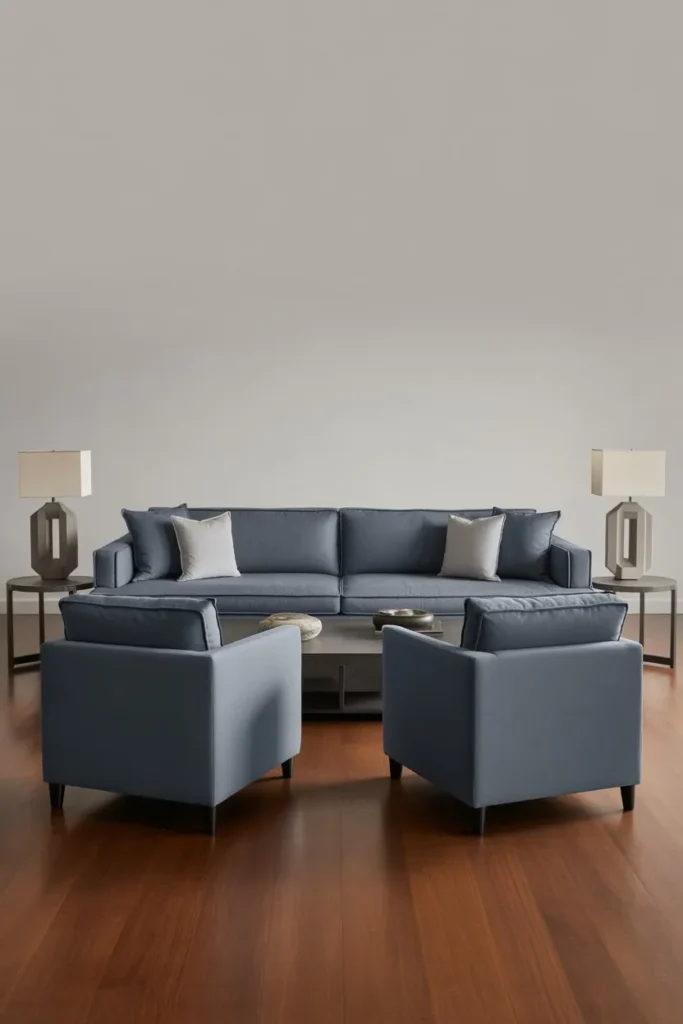
Symmetry brings order to a floating couch layout. Matching chairs, tables, or lighting on both sides of the sofa create a structured and visually calming environment.
This approach works well in formal or modern spaces where balance is key. It ensures the central placement feels deliberate rather than random.
13. Couch Positioned to Maximize Natural Light
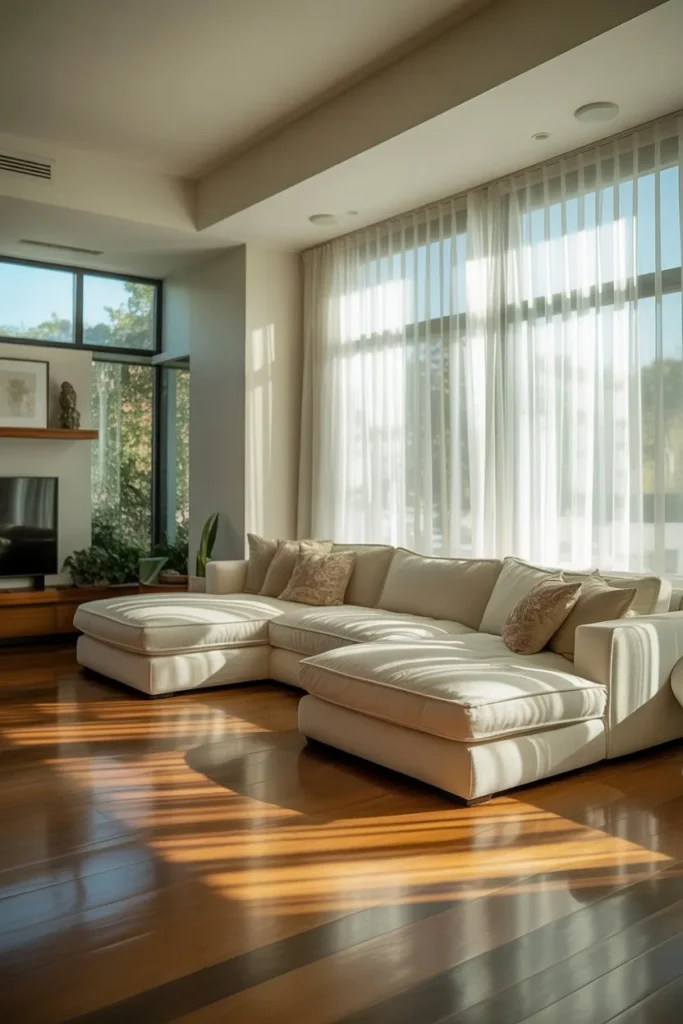
Positioning the couch to benefit from natural light enhances both comfort and visual appeal. Instead of blocking windows, the layout should allow light to flow around the seating area.
This makes the room feel brighter and more inviting. It also improves how the space is used throughout the day.
14. Center Couch with Multi-Zone Layout Planning
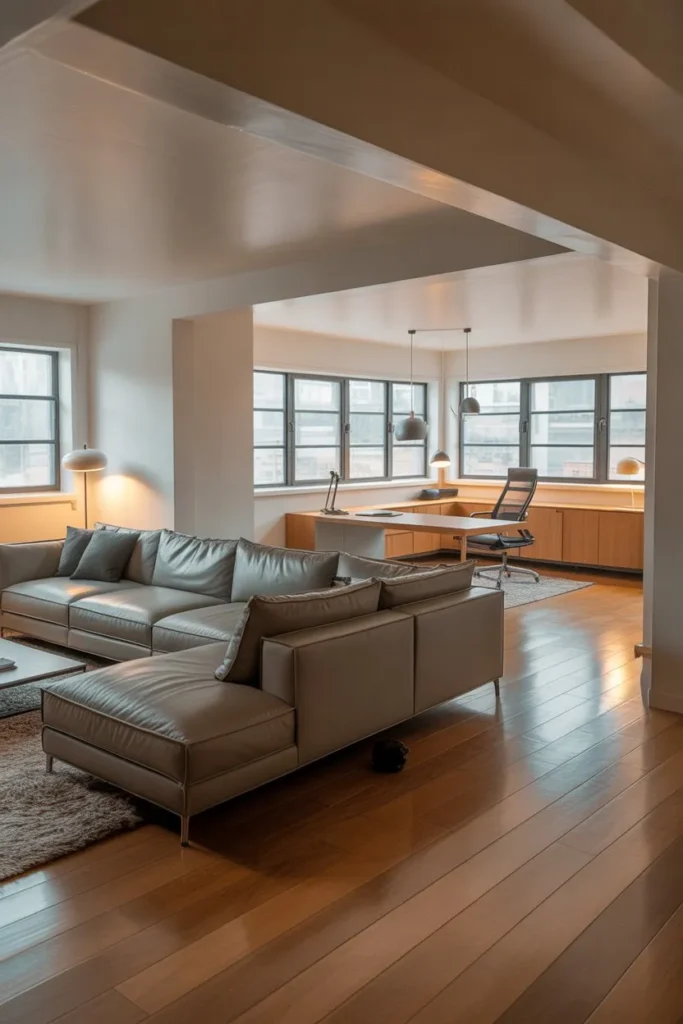
In larger rooms, a central couch can help organize multiple zones within the same space. One side can function as a lounge area, while the other supports a different activity.
This approach ensures each section feels purposeful while maintaining an overall cohesive design. It’s ideal for homes with flexible living spaces.
15. Low-Profile Couch for Open Visual Flow
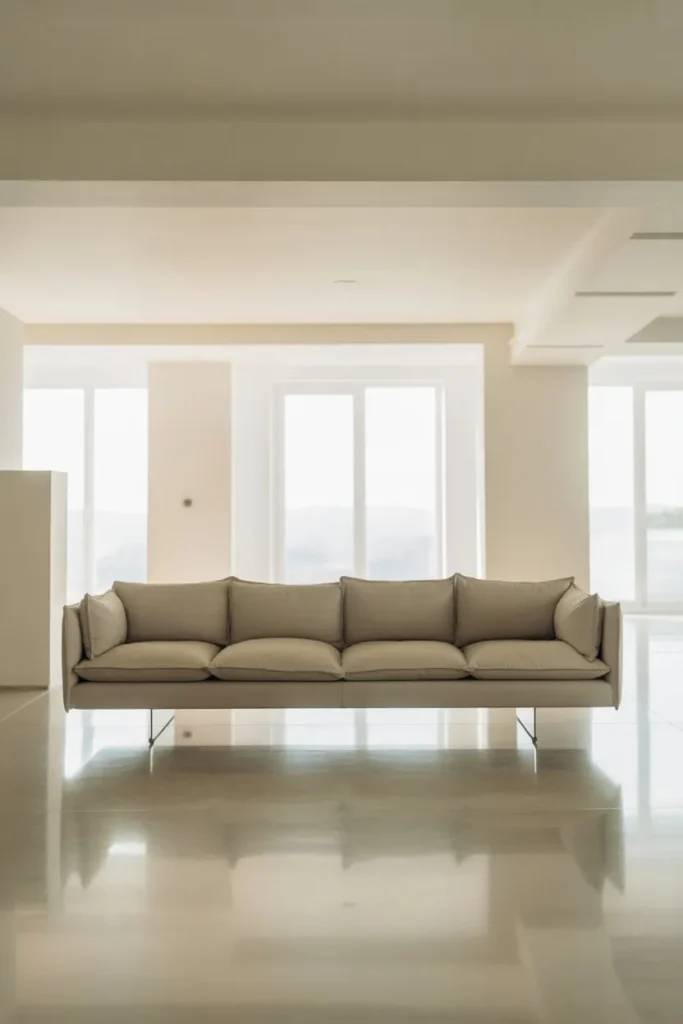
A low-profile couch reduces visual obstruction, making the room feel more open. This is especially important in layouts where maintaining sightlines is key.
It allows the eye to move freely across the space, enhancing both flow and perception of size. This approach works well in modern and minimal interiors.
16. Couch with Layered Rugs for Visual Depth
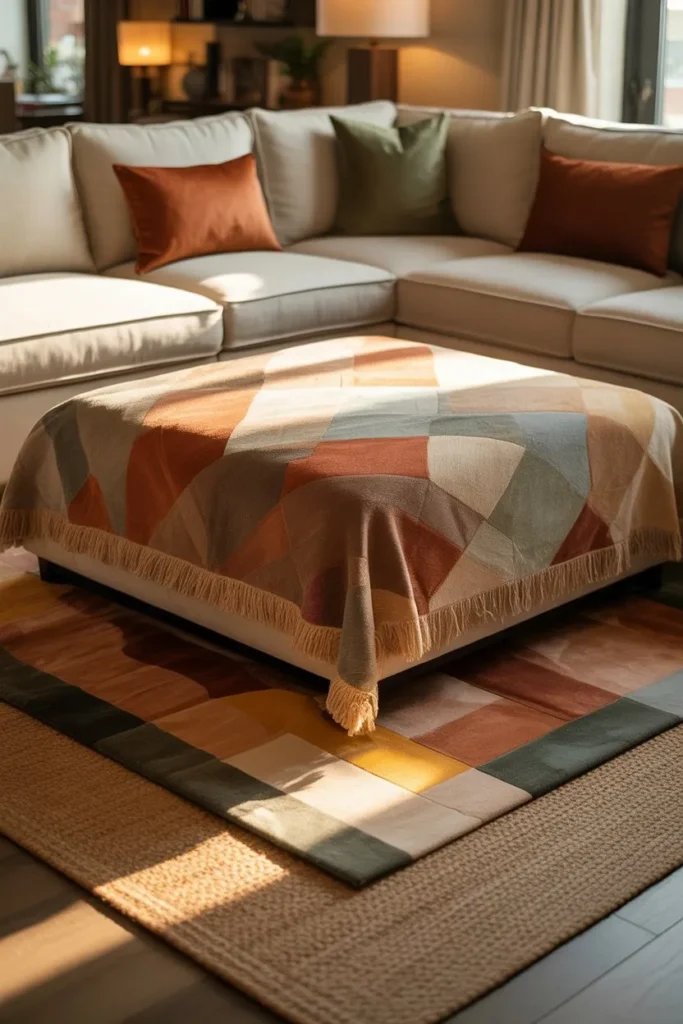
Layering rugs under a centrally placed couch adds depth and prevents the seating area from feeling disconnected. A larger base rug anchors the space, while a secondary textured layer introduces dimension.
This technique helps define the zone clearly without adding extra furniture. It also softens the overall layout, making the space feel more inviting and cohesive.
17. Compact Room with Center Couch Optimization
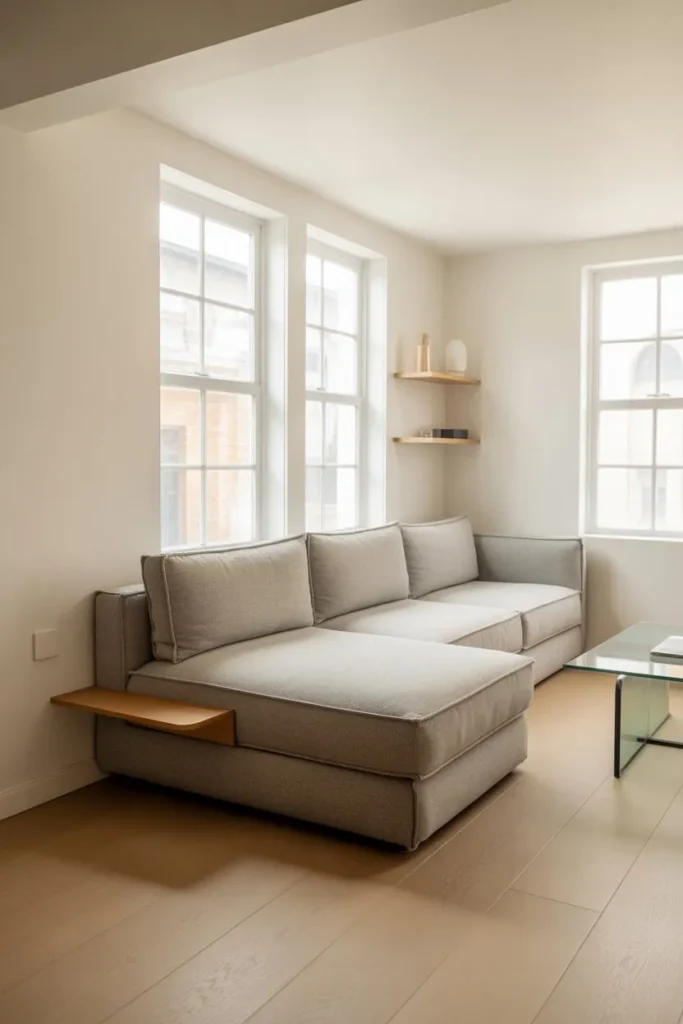
Even in smaller rooms, a couch can be placed in the center if the layout is carefully planned. Keeping furniture minimal and ensuring clear pathways prevents the space from feeling cramped.
The key is scale—choosing a smaller or streamlined sofa ensures the room remains functional while still benefiting from a centered layout.
18. Couch with Open Back Styling Approach
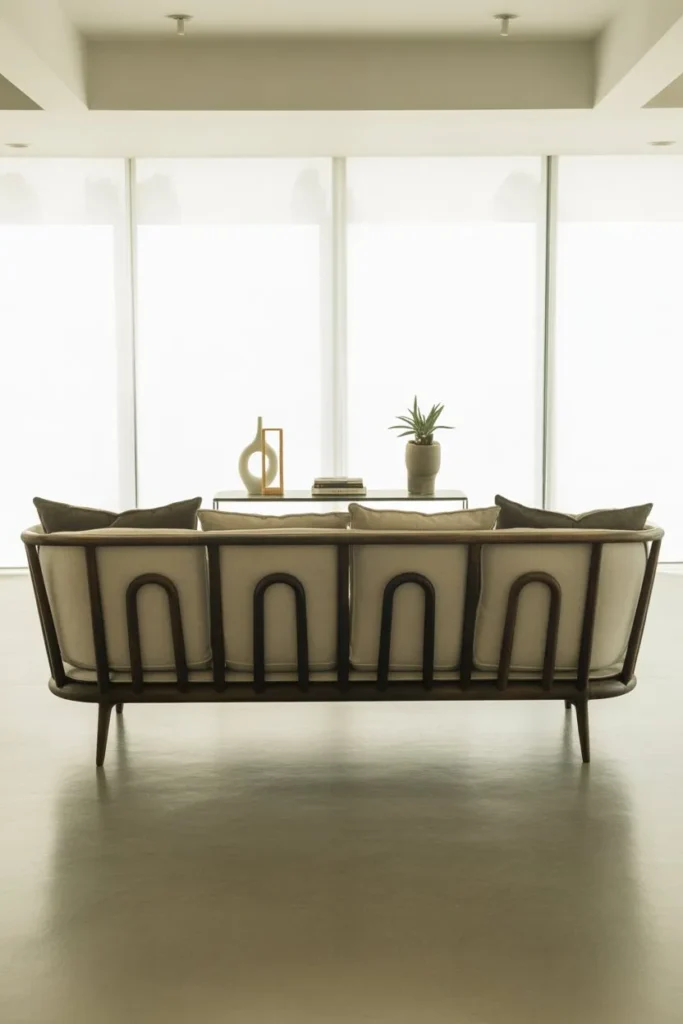
When a couch sits in the middle, its back becomes part of the design. Keeping it clean or subtly styled—like with a console or simple decor—ensures it looks intentional from every angle.
This approach enhances the overall appearance of the room, especially in open layouts where the back of the sofa is always visible.
19. Center Couch with Side Tables for Functionality
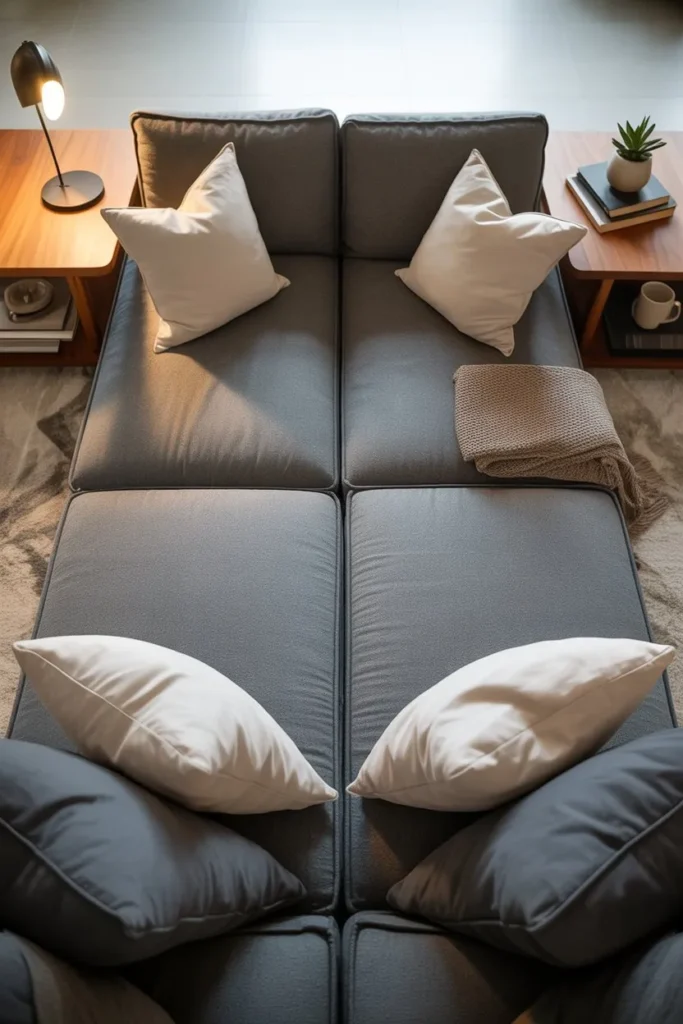
Adding side tables to a central couch improves usability by providing surfaces for lighting, drinks, or decor. It also helps visually anchor the sofa within the space.
Proper spacing ensures the tables enhance function without interrupting movement, keeping the layout both practical and balanced.
20. Couch Aligned with Ceiling or Floor Lines
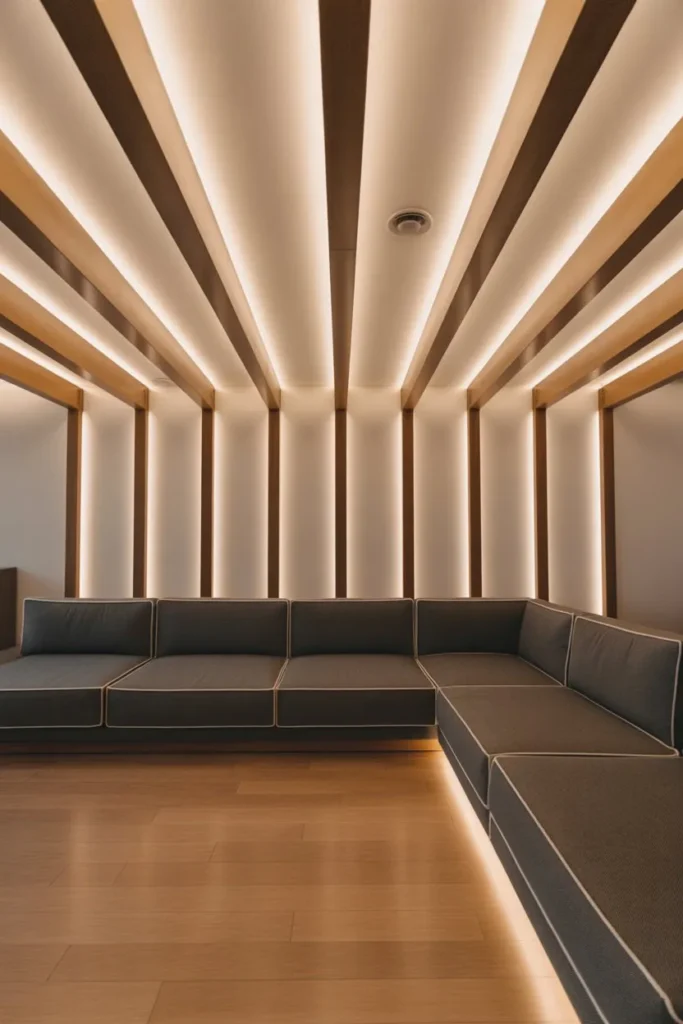
Aligning the couch with architectural elements—like ceiling beams, flooring patterns, or rugs—creates a more structured and intentional layout.
This subtle alignment helps the room feel organized and visually cohesive, even when the couch is placed away from walls.
21. Center Couch with Minimal Surrounding Clutter
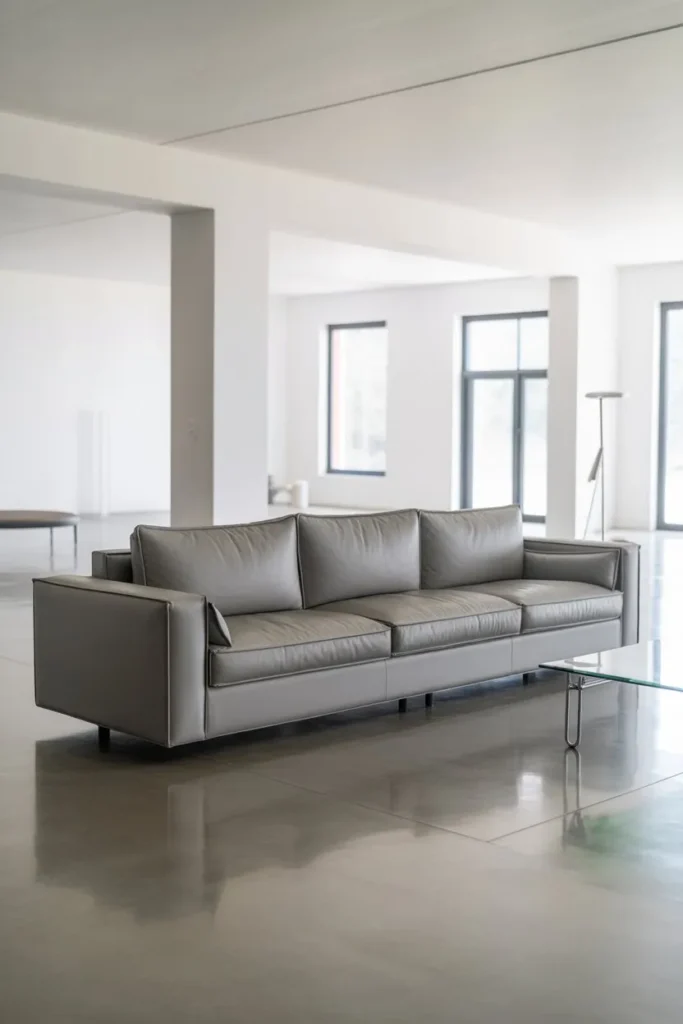
Keeping the area around the couch uncluttered is essential for maintaining flow. Too many surrounding items can make the layout feel crowded and reduce movement.
A simplified approach ensures the couch remains the focal point while allowing the space to feel open and functional.
22. Couch with Dual-Sided Functionality
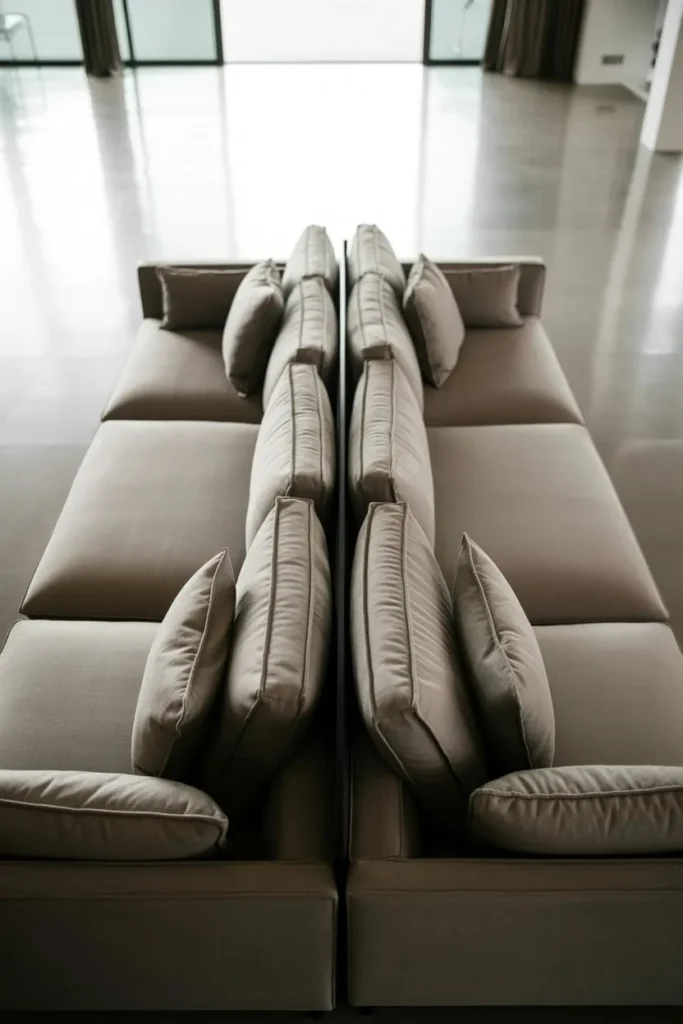
A centrally placed couch doesn’t have to serve just one direction. In open layouts, it can function from both sides—one facing the TV or focal point, the other toward a secondary area.
This increases usability and makes the space more interactive. It’s especially useful in larger rooms where multiple activities happen at once.
23. Couch Framing a Conversation Area
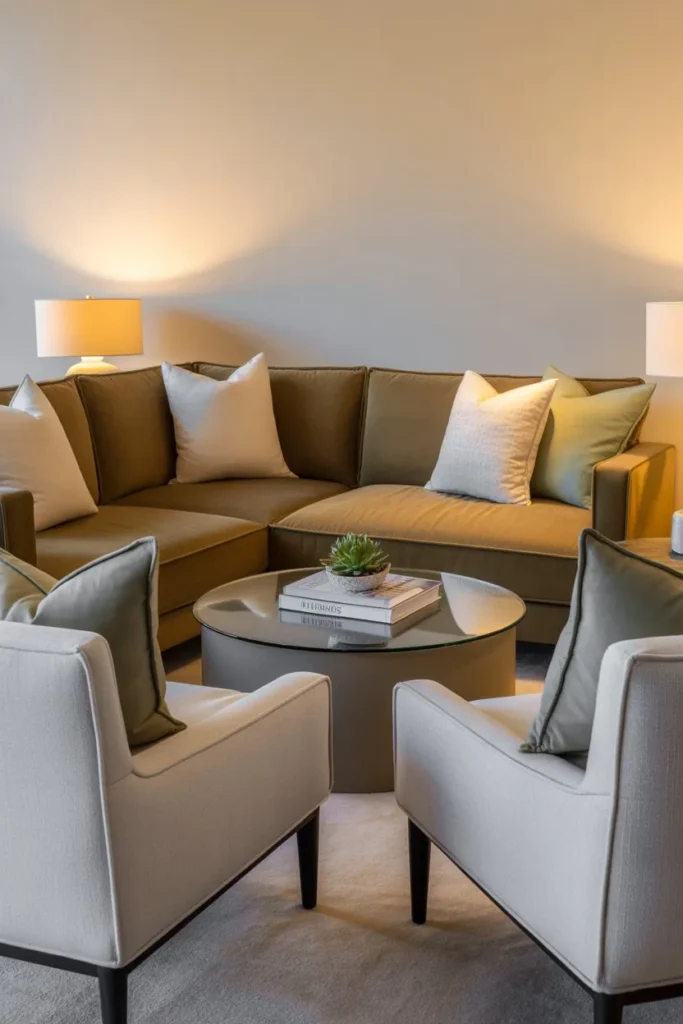
Placing a couch in the middle to frame a conversation zone creates a more social and inviting setup. Paired with chairs and a central table, it encourages interaction rather than passive seating.
This arrangement works well for gatherings and daily use, making the space feel more connected and purposeful.
24. Couch with Visual Boundary Using Lighting or Rug
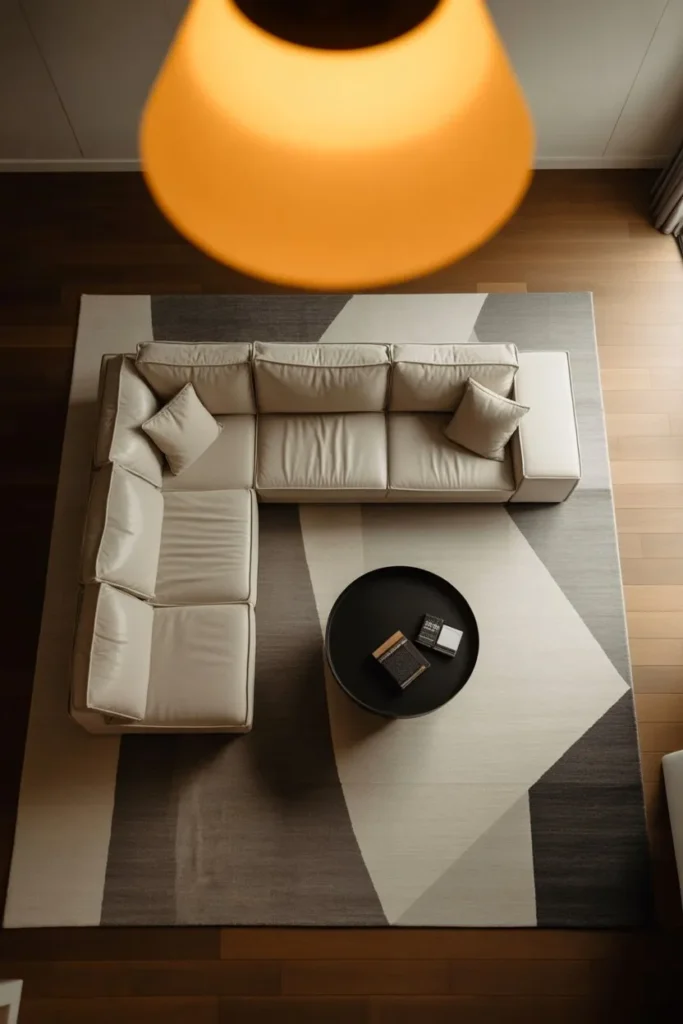
Instead of walls, visual boundaries like rugs or lighting can define the couch area. This keeps the layout open while still giving structure to the space.
It’s an effective way to organize large or open rooms without breaking flow, ensuring each area feels distinct yet connected.
25. Couch Positioned for TV + Window Balance
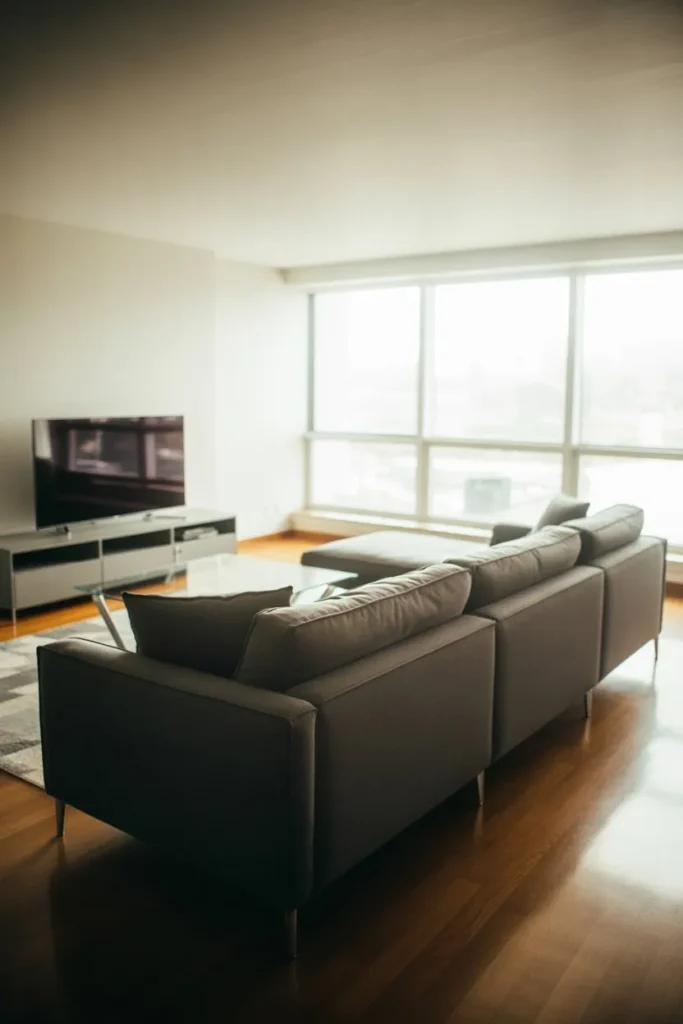
Balancing the couch between a TV and natural light source ensures both functionality and comfort. Slight angling or positioning allows you to enjoy both without compromise.
This setup prevents the room from feeling one-dimensional and makes better use of available features.
26. Couch with Compact Multi-Functional Layout
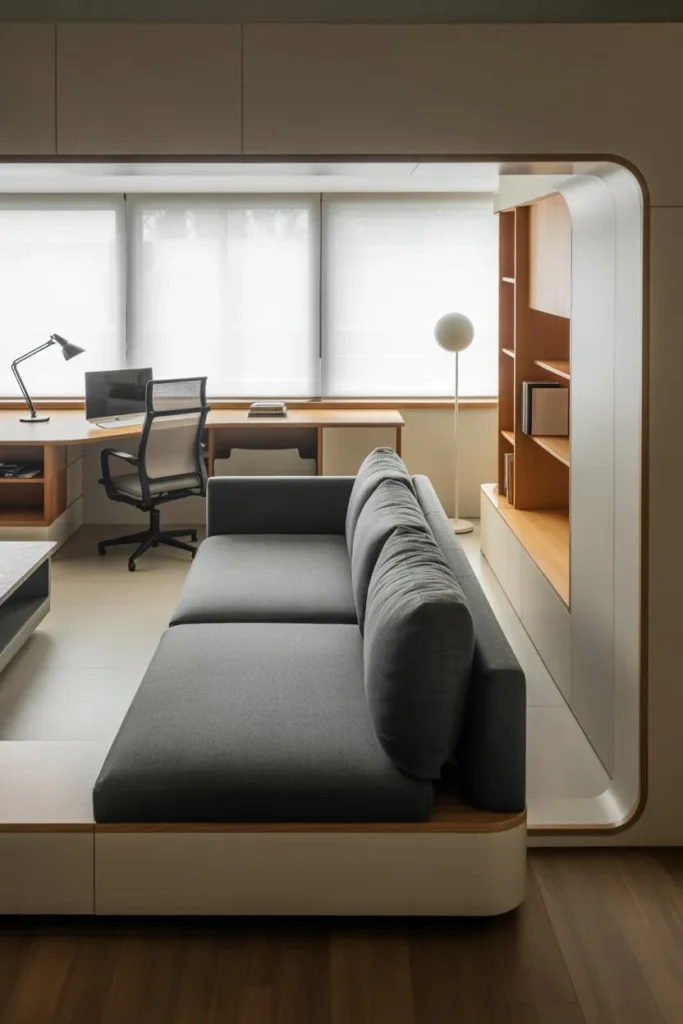
In compact homes, the couch can help organize multiple functions within one room. One side can serve as a lounge, while another supports work or reading.
This maximizes usability without overcrowding the space. Careful placement ensures each function remains comfortable and accessible.
27. Fully Optimized Living Room with Center Couch
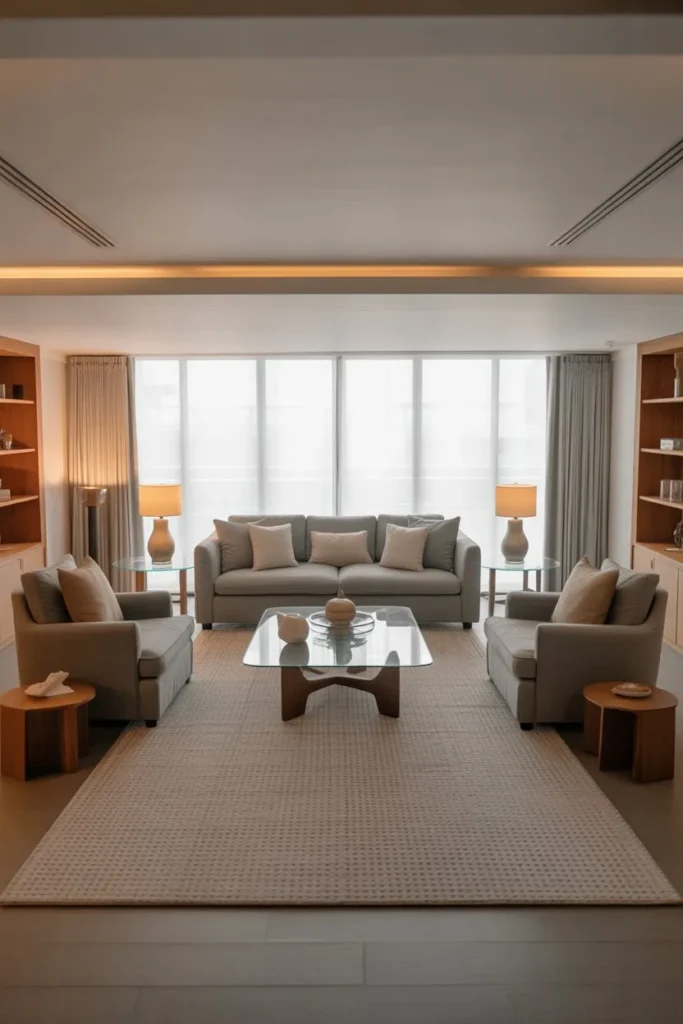
The most effective layouts combine all key elements—clear pathways, defined zones, balanced furniture, and proper lighting. A center couch works best when it supports both movement and functionality.
When everything is aligned, the room feels open, organized, and easy to use. This approach turns a simple placement choice into a well-designed, highly functional living space.
Conclusion
The best couch in middle of living room ideas focus on balance, flow, and intentional layout planning. By combining proper spacing, smart zoning, and supportive elements like rugs and lighting, you can create a space that feels both functional and inviting. Small adjustments in placement can make a big difference in how the room works. With the right approach, a center couch can turn any living room into a well-structured and stylish environment.