12 Wolf Cuts for Fine Hair

Introduction
If your hair falls flat no matter what you try, wolf cuts for fine hair could be the change you have been waiting for. This bold, layered cut mixes the shaggy texture of a shag with the soft, face-framing shape of a mullet, and it creates the illusion of fullness exactly where fine hair needs it most. In the next few minutes you will find 12 wearable versions, from short and choppy to long and feathered, each designed to add movement, lift, and shape without heavy styling. If you already love layered texture, you will also enjoy these shaggy bob hairstyles for thin fine hair, which share the same volume-boosting spirit.
Classic Shoulder-Length Wolf Cut for Fine Hair
The classic shoulder-length wolf cut is the safest place to start, and it flatters almost every face shape. Short, choppy layers through the crown create instant lift, while longer layers around the shoulders keep the length you love. For fine hair, this balance matters: the top looks full and airy, but the ends never look thin or stringy. Soft face-framing pieces open up your features, and the cut works beautifully straight, wavy, or roughly air-dried.
- Apply a pea-sized amount of volumizing mousse to damp roots.
- Blow-dry upside down for two minutes to lift the crown.
- Rough-dry the lengths with your fingers, not a round brush.
- Scrunch a light texturizing spray through the mid-lengths for movement.
Ask your stylist for short layers at the crown, longer layers from the cheekbones down, and softly textured ends rather than blunt cutting. At home, skip heavy oils near the roots and refresh the shape with dry shampoo on day two. A trim every six to eight weeks keeps the layers bouncy and stops the ends from looking wispy as the cut grows out.
Short Choppy Wolf Cut with Wispy Bangs

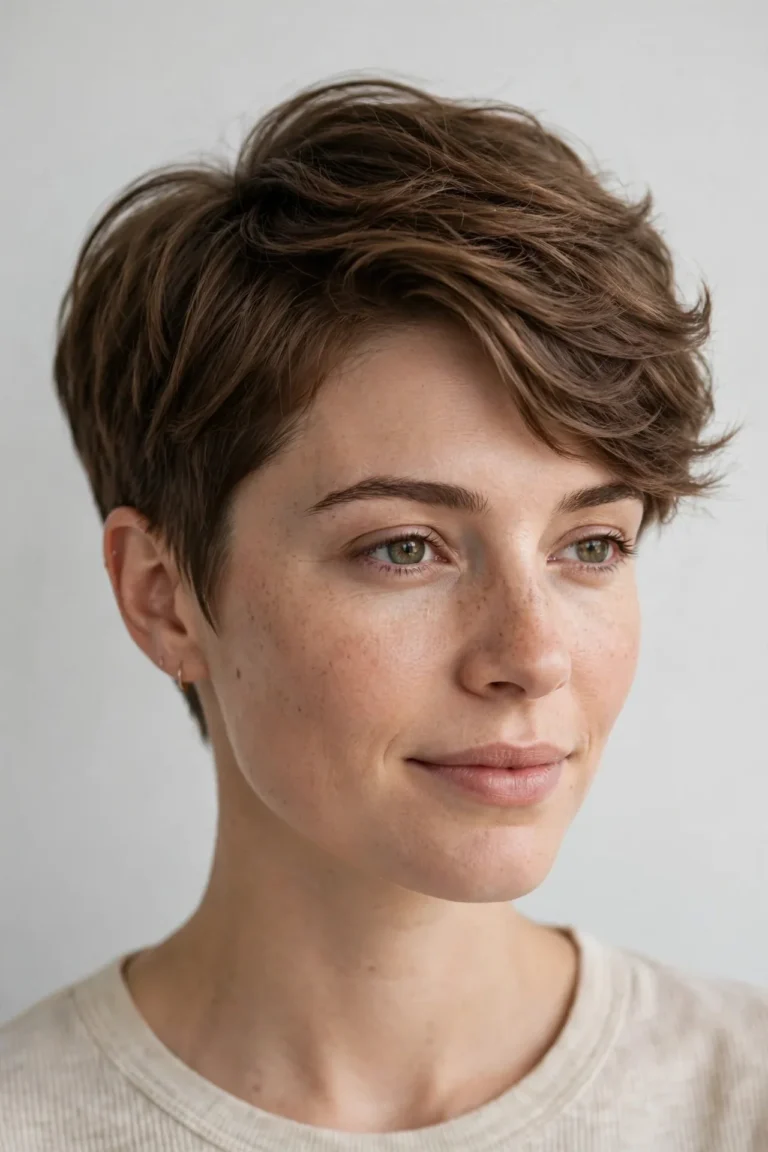
A short, choppy wolf cut is pure energy: cropped layers, piecey ends, and wispy bangs that make fine hair look deliberately textured instead of flat. The shorter length removes weight, so your roots lift more easily and the whole style holds its shape for longer. It suits oval, heart, and round faces especially well, because the bangs and side pieces draw the eye upward and break up a fuller cheek line.
- Apply root-lifting spray before blow-drying for lasting height.
- Dry the bangs forward with a small round brush.
- Twist small sections with your fingers to define the choppy ends.
- Finish with a light matte pomade on the tips only.
Ask for a chin-to-neck length, heavily textured layers, and wispy bangs that sit just above the brows. Style it in under ten minutes with mousse and a diffuser or a quick rough-dry. Because short layers grow out fast, book a trim every five to six weeks to keep the shape crisp and the bangs out of your eyes.
Long Layered Wolf Cut for Fine Hair

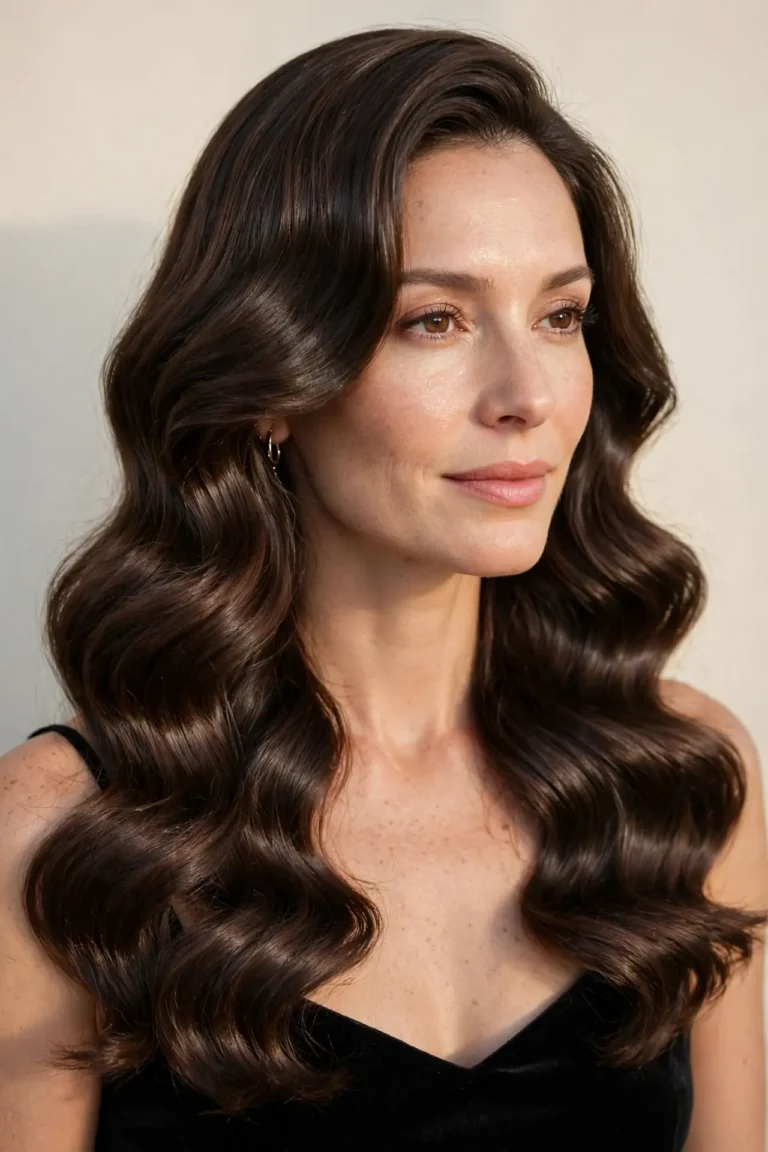
A long layered wolf cut proves you do not have to sacrifice length to get volume. The trick is a heavily layered crown that gradually blends into long, feathered lengths, so your hair looks thick at the top and soft, not sparse, at the ends. It works best on oval and long faces, and it is a wonderful choice if you love ponytails and braids but want more everyday body.
- Apply volumizing mousse from roots to mid-lengths on damp hair.
- Blow-dry in sections, lifting each section away from the scalp.
- Curl the face-framing layers away from your face for softness.
- Shake the roots gently with your fingers once dry.
Ask your stylist for internal layers through the crown, face-framing layers starting at the cheekbones, and point-cut ends for a feathered finish. Avoid one-length cuts and heavy conditioning at the roots, which flatten fine hair. Trim every eight weeks, and use a lightweight leave-in spray to keep the long layers from tangling.
Curly Wolf Cut with Soft Volume
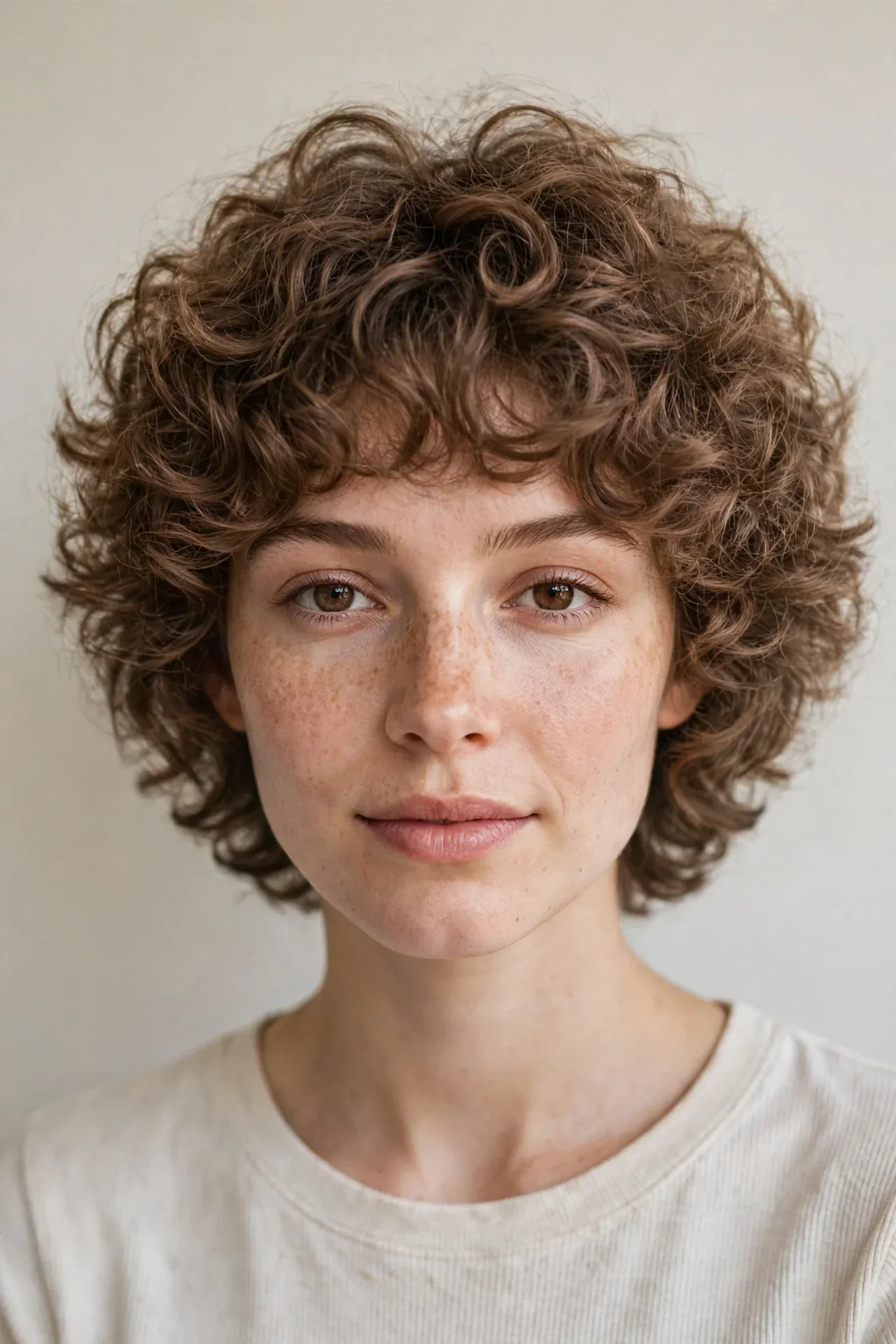
Curly fine hair often collapses under its own weight, but a curly wolf cut turns that problem into texture. Short layers at the crown encourage curls to spring up, while the longer back layers give the style its signature wolf shape. The result is soft, rounded volume rather than a triangle shape, and your natural curl pattern finally gets room to move. It suits round and square faces beautifully.
- Apply curl cream to soaking-wet hair, section by section.
- Scrunch upward to encourage curl formation at the crown.
- Diffuse on low heat until the hair is about eighty percent dry.
- Fluff the roots gently once the curls have fully cooled.
Ask your stylist for a dry cut if possible, with layers shaped around your natural curl pattern and no thinning shears, which can create frizz. At home, refresh curls with a water and leave-in mist rather than re-washing daily. The American Academy of Dermatology’s hair care guidance is a useful reminder to handle fine, curly hair gently and avoid harsh brushing when dry. Trim every eight to ten weeks to keep the shape rounded.
Wolf Cut with Curtain Bangs for Fine Hair

Curtain bangs and a wolf cut are a natural pair, and together they are magic for fine hair. The parted bangs frame your face and create the impression of width and fullness around the cheeks, while the shaggy layers behind them add movement. This version is especially flattering on round and square faces, and it grows out gracefully, so you are never trapped in an awkward in-between stage.
- Part your bangs in the center while they are still damp.
- Blow-dry each side away from your face with a round brush.
- Apply a tiny amount of texturizing cream to the ends.
- Pin the bangs back loosely on days you want them off your face.
Ask for curtain bangs that start at the cheekbones, layered to blend into the wolf cut’s face-framing pieces. Keep the bangs slightly longer than you think you want them, since fine hair shrinks a little when it dries. A bang trim every four weeks keeps the parting neat, while the rest of the cut can go six to eight weeks between appointments.
Textured Wolf Shag with Face-Framing Layers

The textured wolf shag leans fully into the shag side of the cut, with lots of choppy, disconnected layers and bold face-framing pieces. For fine hair, this texture is a gift: every layer catches light differently, which makes the whole head of hair look denser and more dimensional. It is a confident, slightly edgy look that still feels soft, and it suits heart-shaped and oval faces particularly well.
- Work a small amount of sea-salt spray through damp hair.
- Rough-dry with your head tilted to one side for volume.
- Define the face-framing pieces with a flat iron, bending them outward.
- Finish with a flexible-hold spray so the texture stays touchable.
Ask your stylist for razor or point-cut texture through the lengths, with the shortest face-framing layers at the cheekbones. This cut looks best slightly undone, so resist the urge to over-smooth it. Refresh the texture with dry shampoo and a quick finger-comb, and trim every six weeks to stop the choppy layers from blending into one shapeless mass.
Medium Wolf Cut with Feathered Ends

A medium wolf cut with feathered ends is the polished cousin of the classic wolf cut, and it is ideal if you want volume without a wild finish. The layers are softer and more blended, and the feathered ends flick outward gently, giving fine hair a light, airy silhouette. It flatters long and oval faces, and it transitions easily from the office to a night out with just a change of styling products.
- Apply a lightweight smoothing cream to damp lengths.
- Blow-dry with a medium round brush, flicking the ends outward.
- Smooth the crown with a paddle brush for a sleek finish.
- Mist with shine spray, keeping it away from the roots.
Ask for blended layers through the crown and feathered, point-cut ends that sit around the collarbone. This version needs a little more blow-drying than the messier wolf cuts, but the payoff is a smooth, full-looking shape that lasts all day. Trim every seven weeks to keep the feathered ends fresh and prevent split ends from thinning the outline.
Wolf Cut with Side-Swept Bangs
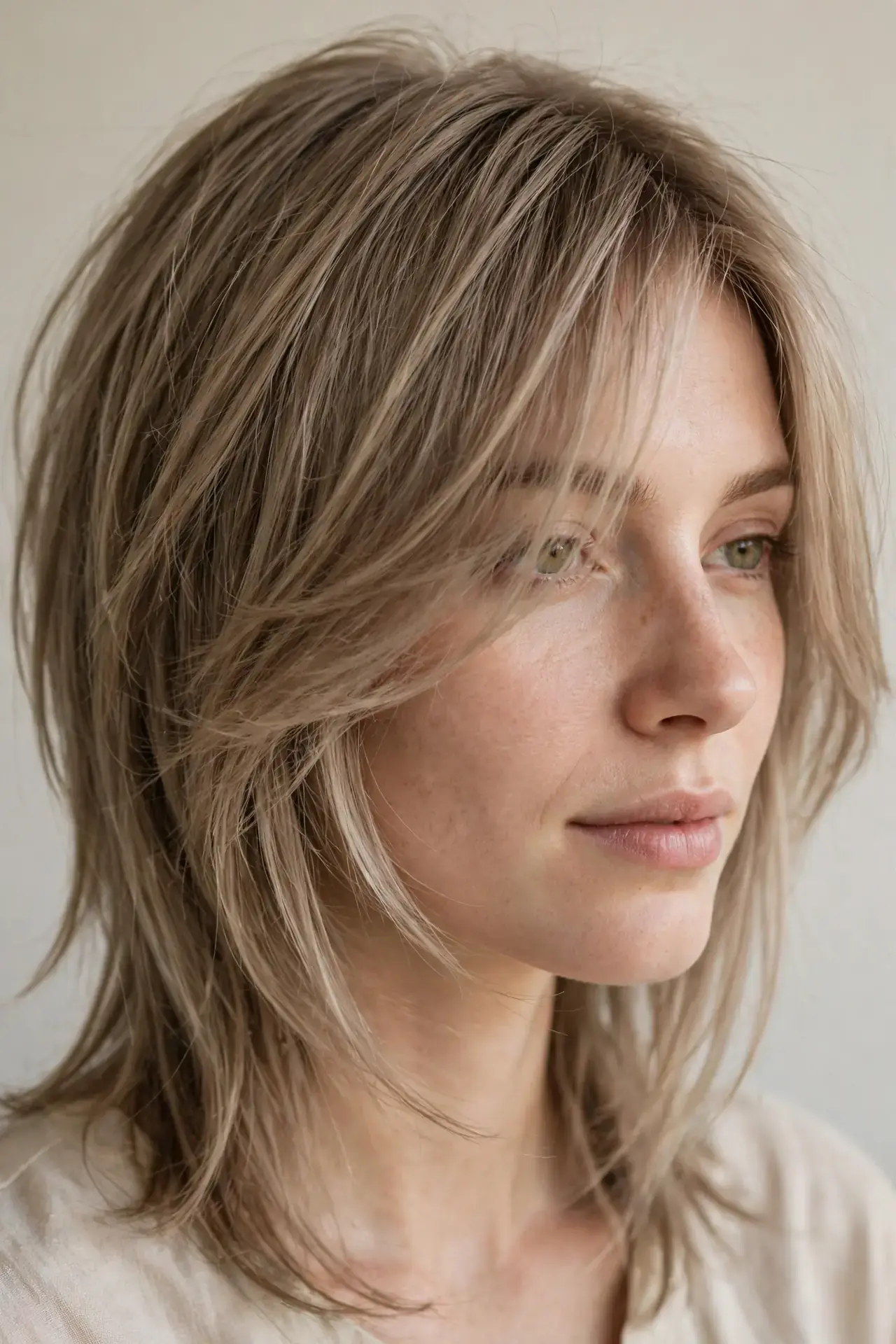
Side-swept bangs give a wolf cut a softer, more romantic feel, and they are a clever trick for fine hair. Sweeping the fringe across the forehead creates instant coverage and the illusion of density, while the layered cut behind it keeps everything moving. This version suits square and heart-shaped faces, softening a strong jawline and balancing a wider forehead beautifully.
- Blow-dry the bangs to one side with a small round brush.
- Apply volumizing powder at the parting for extra lift.
- Tuck one side behind your ear to show off the layers.
- Sweep the fringe forward again for a fuller evening look.
Ask your stylist for long, side-swept bangs that blend into the shortest face-framing layer, so there is no harsh line between fringe and cut. Style the bangs first while they are damp, since fine fringe dries fast and sets quickly. Trim the bangs every three to four weeks, and the rest of the wolf cut every six to eight weeks, to keep the sweep sitting exactly where you want it.
Sleek Wolf Cut with Subtle Layers

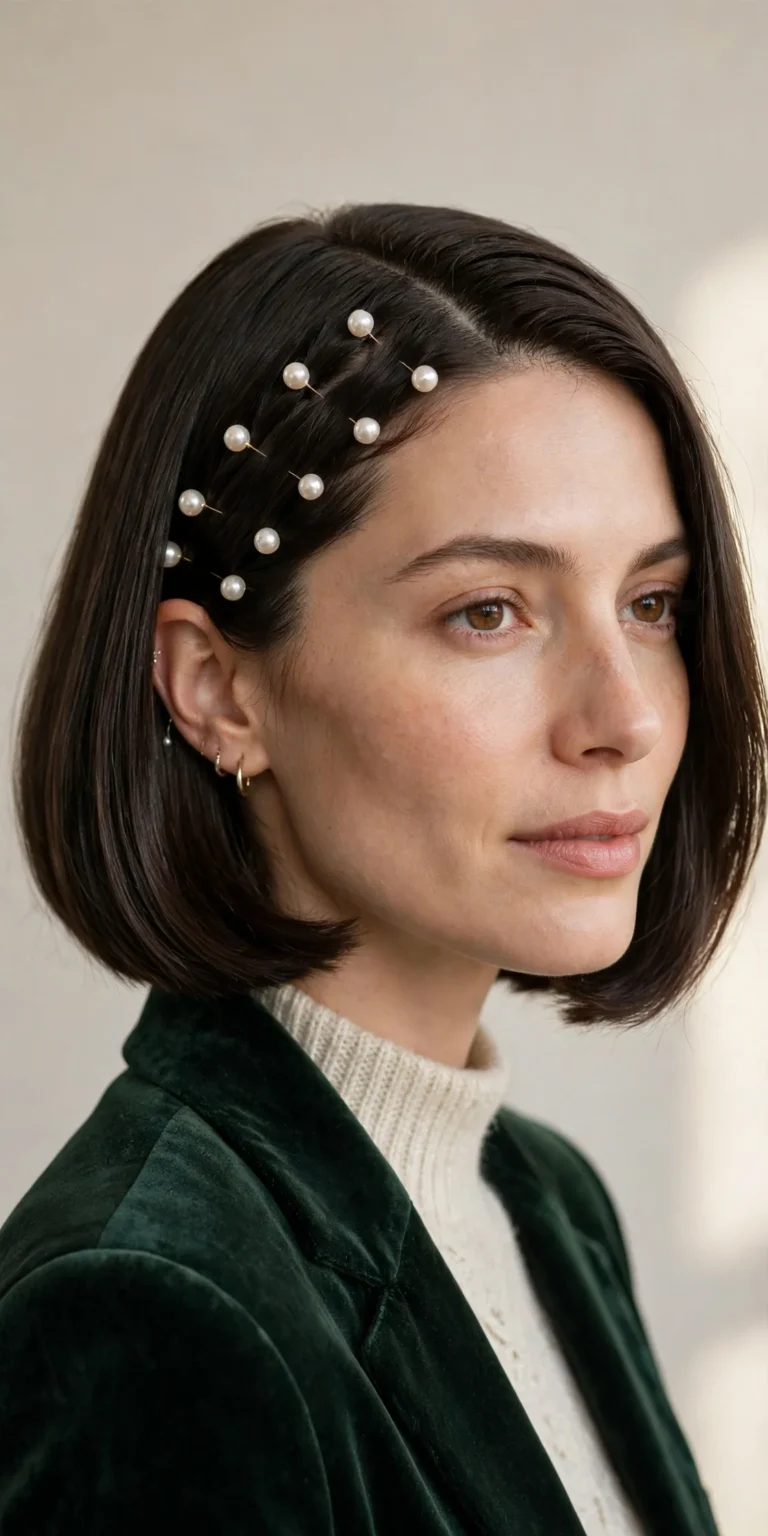
Not every wolf cut has to be messy. The sleek version keeps the layered shape but styles it smooth, which makes fine hair look glossy, healthy, and surprisingly full. Subtle layers through the crown still create lift, but the surface stays polished, so this is the best wolf cut for formal occasions and professional settings. It suits oval and round faces and looks stunning with a deep side part.
- Apply a heat-protectant smoothing serum to damp hair.
- Blow-dry in small sections with a paddle brush for sleekness.
- Flat-iron only the very ends if they need extra polish.
- Finish with a light gloss spray for a healthy shine.
Ask your stylist for longer, more blended layers and a clean outline, with the shortest layers no higher than the cheekbones. Avoid heavy serums, which weigh fine hair down; a pea-sized amount is plenty. This style shows regrowth more clearly than a messy wolf cut, so keep trims to every six weeks and refresh the shape with a quick blow-dry between washes.
Wavy Wolf Cut for Fine Hair

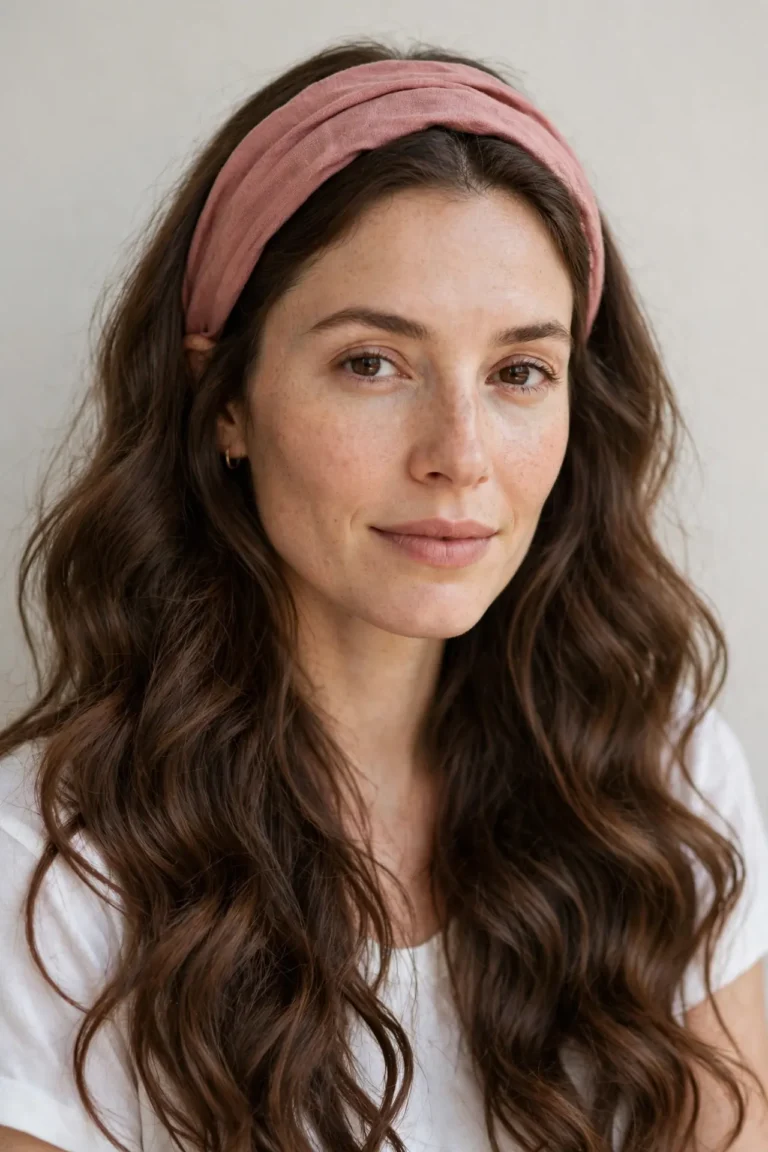
A wavy wolf cut is made for low-effort mornings, because your natural wave does half the styling work. The layered shape encourages waves to form at different lengths, which stops fine hair from hanging in one flat sheet. The result is beachy, touchable texture with real body, and it flatters nearly every face shape. If your hair has even a slight natural bend, this version will make the most of it.
- Apply wave-enhancing mousse to damp hair and scrunch upward.
- Diffuse gently or let the hair air-dry for a softer wave.
- Twist a few face-framing pieces around your finger while damp.
- Break up the waves with your fingers once fully dry.
Ask for layers that follow your wave pattern, with the shortest pieces around the cheekbones and longer layers through the back. Avoid brushing dry waves, which turns texture into frizz; instead, refresh with a light mist of water and mousse. A trim every seven to eight weeks keeps the waves springy, and a silk pillowcase helps the style survive overnight.
Wolf Cut with Blunt Fringe and Choppy Layers
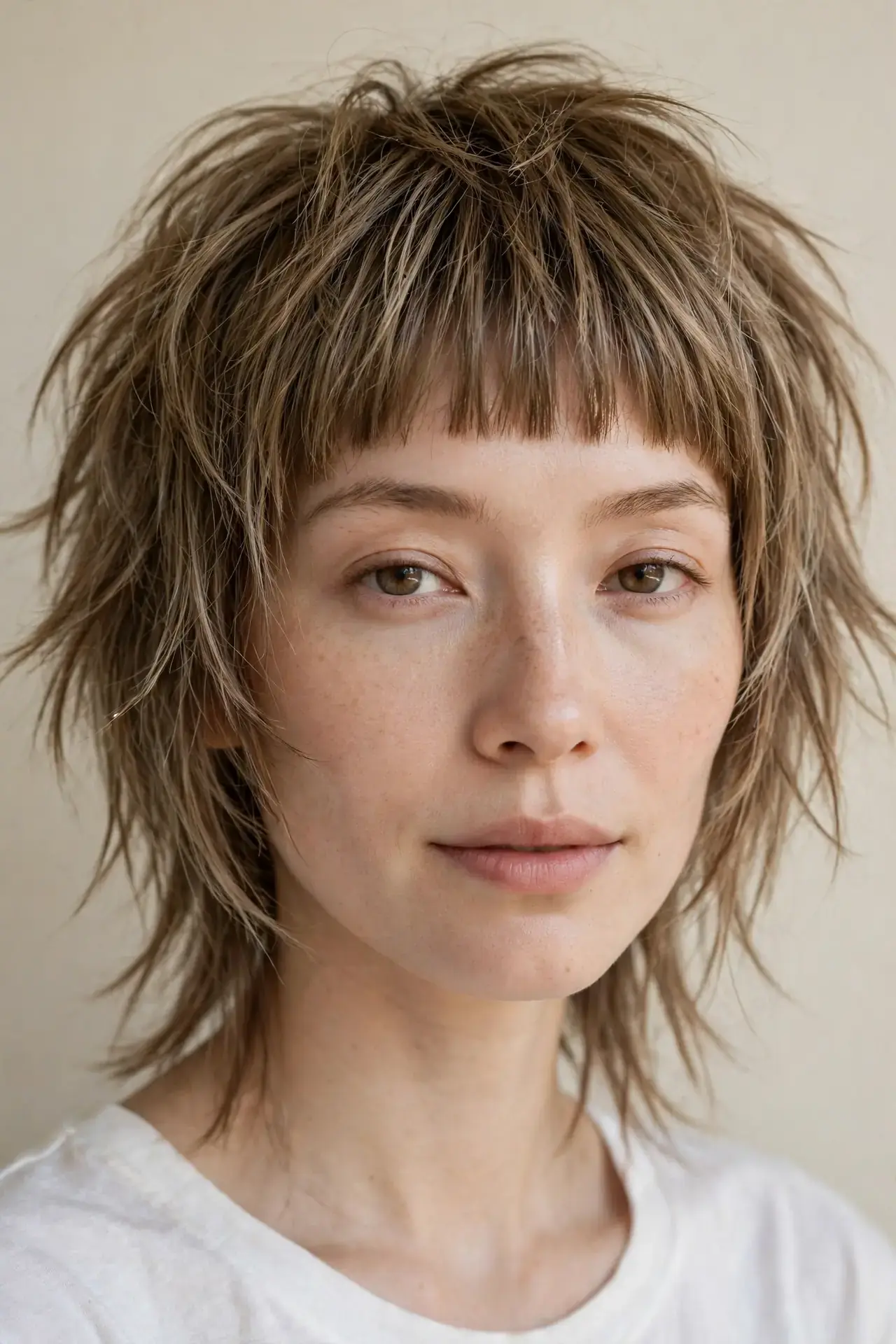
Pairing a blunt fringe with choppy wolf layers creates a striking contrast that works brilliantly on fine hair. The full fringe makes the front of your hair look thick and intentional, while the shaggy layers behind it add movement and edge. This bold version suits oval and long faces best, and it is a fantastic choice if you want a haircut that makes a statement without needing elaborate daily styling.
- Blow-dry the fringe straight down with a flat paddle brush.
- Apply a tiny amount of smoothing cream to keep the fringe sleek.
- Rough-dry the layered lengths for contrast with the fringe.
- Define the choppy ends with a dab of texturizing paste.
Ask your stylist for a blunt fringe that sits just above the brows and choppy, textured layers from the crown down. Keep the fringe slightly thicker than you would for a wispy style, since fine hair needs that density to look full. Trim the fringe every three weeks to keep it out of your eyes, and the layered cut every six weeks to preserve the contrast.
Grown-Out Wolf Cut with Effortless Texture

The grown-out wolf cut is proof that this style only gets better with time. As the layers lengthen, the cut softens into an effortless, lived-in shape with natural movement and soft volume. For fine hair, this stage is wonderfully low-maintenance: the grown-out layers still lift at the crown, but the ends look fuller and less choppy. It is the perfect version if you love your wolf cut and want to stretch the time between appointments.
- Apply dry shampoo at the roots to revive second-day volume.
- Scrunch a pea-sized amount of curl cream through the ends.
- Twist the longest layers loosely for a soft, undone wave.
- Let the hair air-dry whenever possible for natural texture.
Ask your stylist to dust the ends only, preserving the layered shape while you grow it out, and to reshape the crown layers lightly every ten weeks. This is the easiest wolf cut to maintain, but a light reshaping appointment stops the grow-out from turning shapeless. When you are ready for a change, the grown-out layers make a beautiful base for a fresh shag or a layered lob.
Conclusion
Wolf cuts work so well for fine hair because they build volume into the cut itself, not just into your styling routine, so you wake up with shape, movement, and fullness already in place. Whether you choose the classic shoulder-length version, a short choppy crop, or a soft grown-out shape, the right layers will make your hair look thicker and feel easier to style every single day. For more fine-hair inspiration, explore these short shag haircuts for fine hair and our guide to hairstyles for thin fine hair, then take your favorite idea to your stylist and enjoy the extra volume.