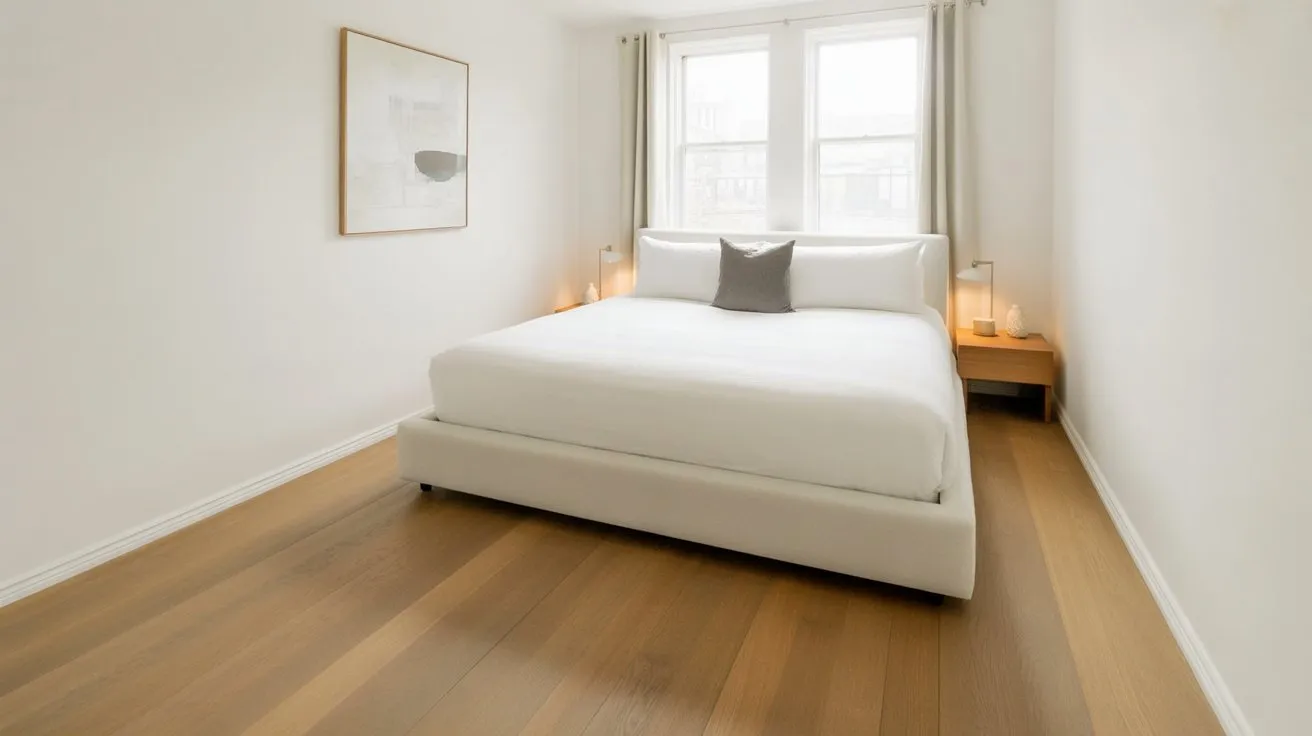
17 Simple Bedroom Design Ideas for a Clean Cozy Look
Simple bedroom design ideas focus on creating a space that feels calm, functional, and easy to maintain. Instead of adding more elements, the goal is to use fewer, better-chosen pieces that work together seamlessly. A well-designed simple bedroom reduces visual clutter, improves comfort, and supports relaxation. From layout and lighting to storage and materials, every detail plays a role in shaping the overall feel. These ideas help you create a clean, cozy space that looks modern while remaining practical for everyday living.
1. Neutral Color Base for a Calm Foundation
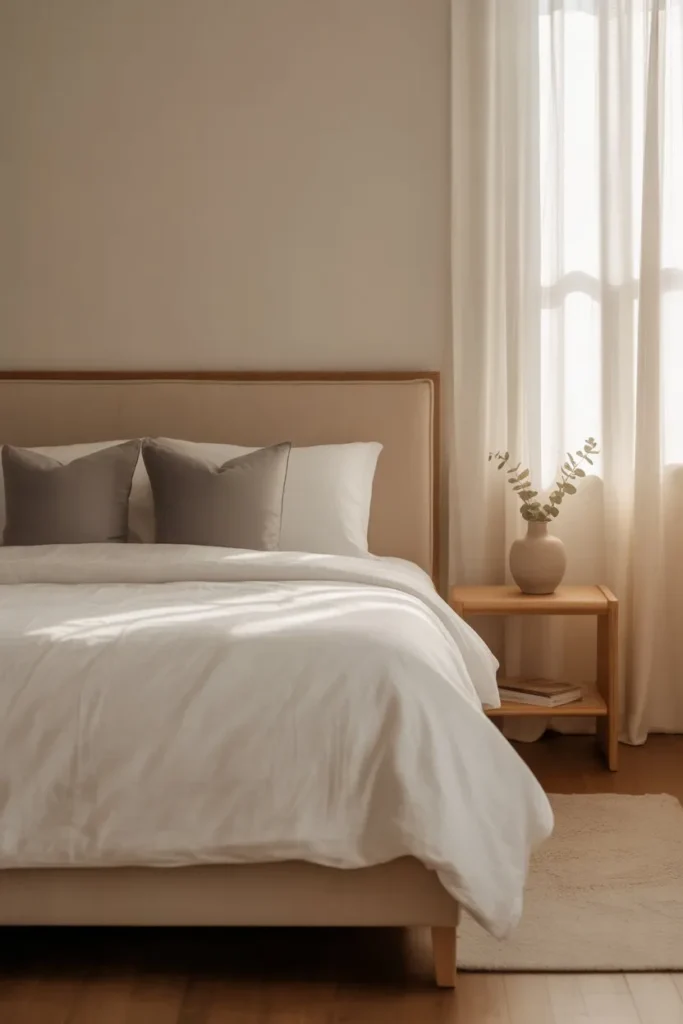
A neutral color palette is the foundation of a simple bedroom design. Shades like beige, white, and soft gray create a calm environment that reduces visual noise and promotes relaxation.
Instead of relying on bold colors, layering subtle tones adds depth while maintaining simplicity. This approach makes the room feel more open and timeless, allowing you to update decor easily without changing the entire design.
2. Minimal Furniture Layout for Open Space

Keeping furniture to a minimum helps create a more open and breathable space. Only include essential pieces like a bed, side tables, and a storage unit to avoid overcrowding.
This improves movement within the room and makes it easier to maintain cleanliness. A well-planned layout ensures the room feels functional without feeling heavy or cluttered.
3. Soft Layered Bedding for Cozy Feel

Layering bedding is one of the easiest ways to add comfort without complicating the design. Using a mix of textures—like cotton, linen, and knit—creates a cozy yet clean look.
Keeping colors within a soft palette ensures the layers feel intentional rather than busy. This adds warmth while maintaining simplicity.
4. Natural Light Enhancement for Airy Look
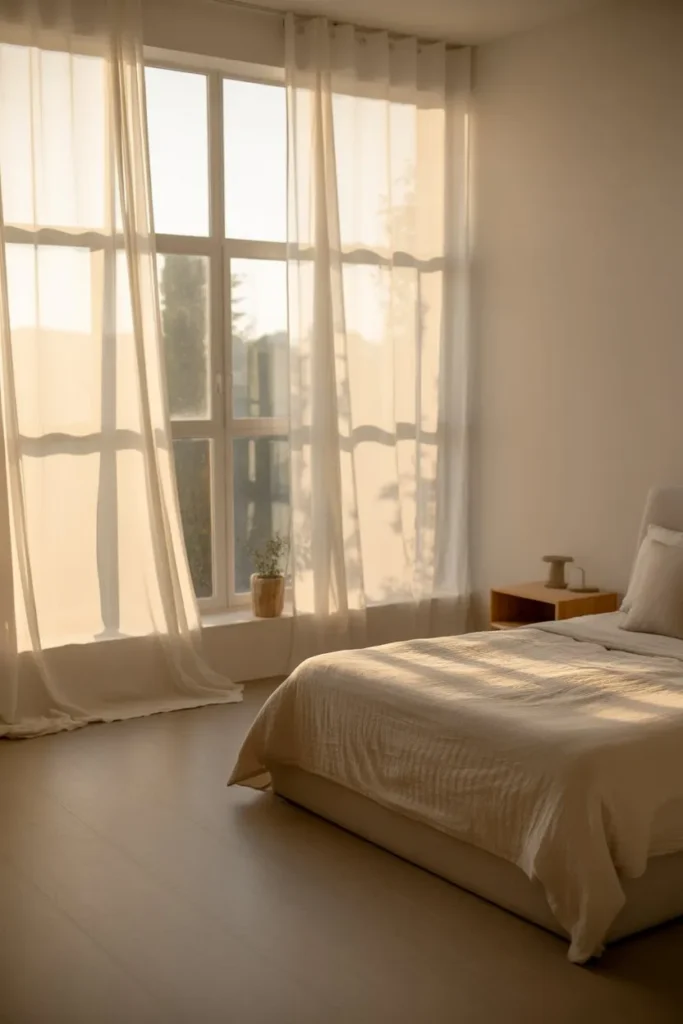
Natural light makes a simple bedroom feel more open and inviting. Using sheer curtains allows light to filter through while maintaining privacy.
Positioning furniture to maximize daylight improves the overall atmosphere. A well-lit room naturally feels cleaner and more comfortable.
5. Simple Bedroom with Clean Lines Design
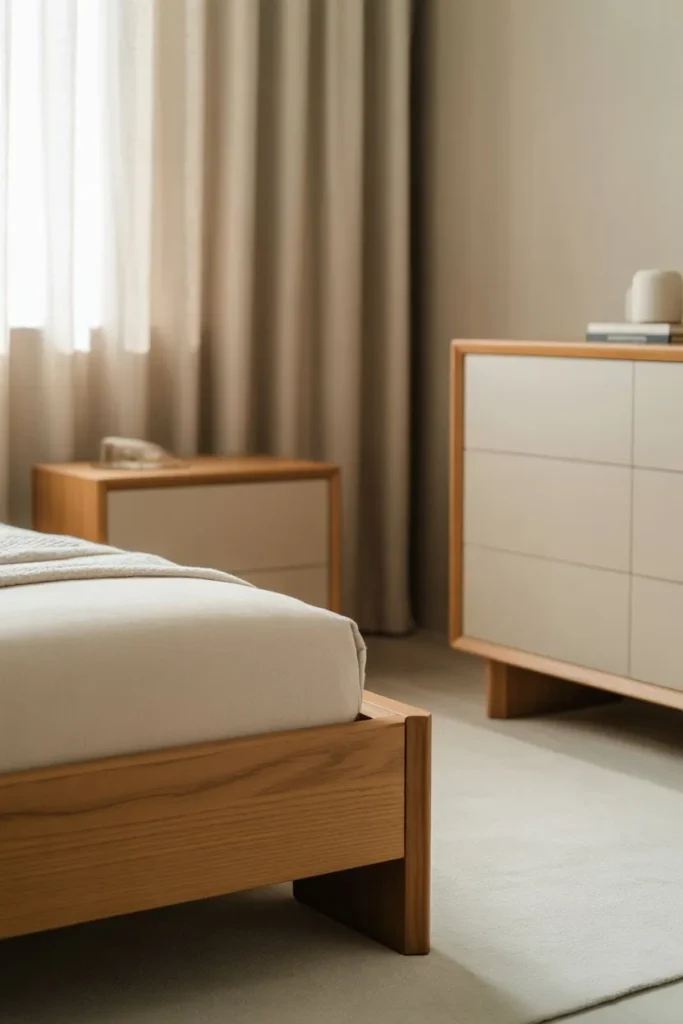
Furniture with clean lines creates a structured and uncluttered look. Avoid overly decorative pieces and focus on simple shapes that contribute to a calm environment.
This approach keeps the design modern and easy to maintain, ensuring the space feels organized and visually balanced.
6. Hidden Storage for a Clutter-Free Look

Clutter is the biggest enemy of a simple bedroom. Using hidden storage—like beds with drawers or built-in cabinets—keeps essentials out of sight while maintaining a clean appearance.
This approach allows you to keep the room functional without adding visible furniture. The result is a space that feels calm, organized, and easy to maintain every day.
7. Soft Lighting for Relaxed Atmosphere

Lighting plays a major role in how a bedroom feels. Instead of harsh overhead lights, using soft, warm lighting creates a more relaxing environment.
Bedside lamps or indirect lighting help set a calm mood, especially in the evening. This makes the room feel more comfortable and inviting without adding complexity to the design.
8. Simple Bedroom with Balanced Symmetry
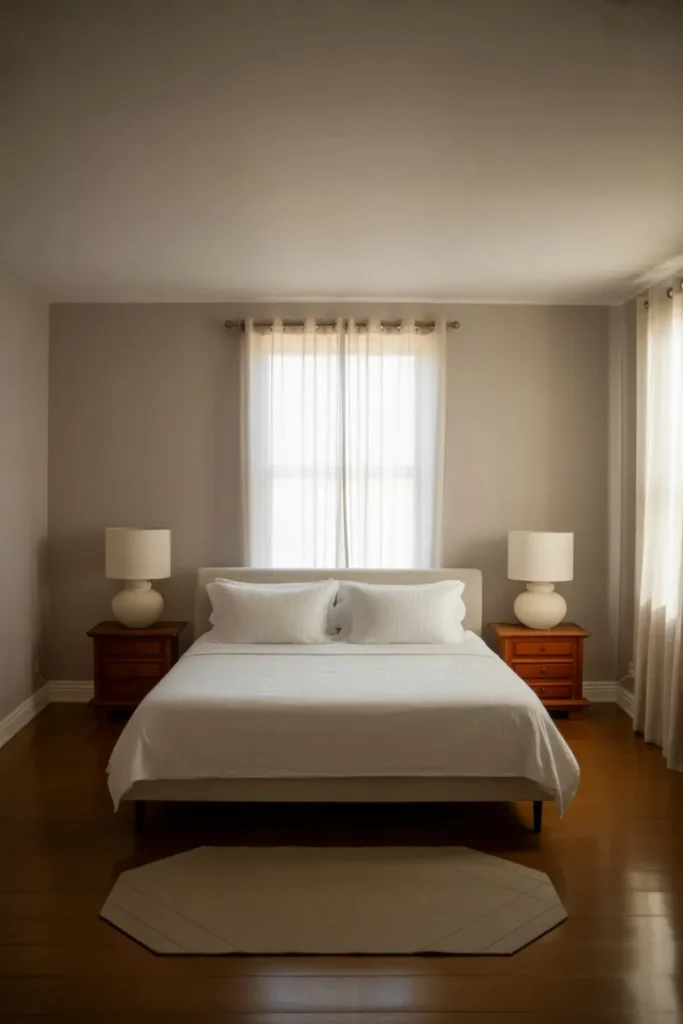
Symmetry brings a sense of order and calm to a bedroom. Placing matching elements—like bedside tables or lamps—on each side of the bed creates visual balance.
This structured layout makes the room feel organized and intentional. It’s a simple technique that instantly improves the overall design.
9. Textured Elements for Subtle Depth

Even in a simple design, texture is important for adding depth. Materials like linen, wool, or soft rugs create visual interest without overwhelming the space.
Keeping textures within a similar color palette ensures the room remains calm while still feeling layered and comfortable.
10. Open Floor Space for Better Flow
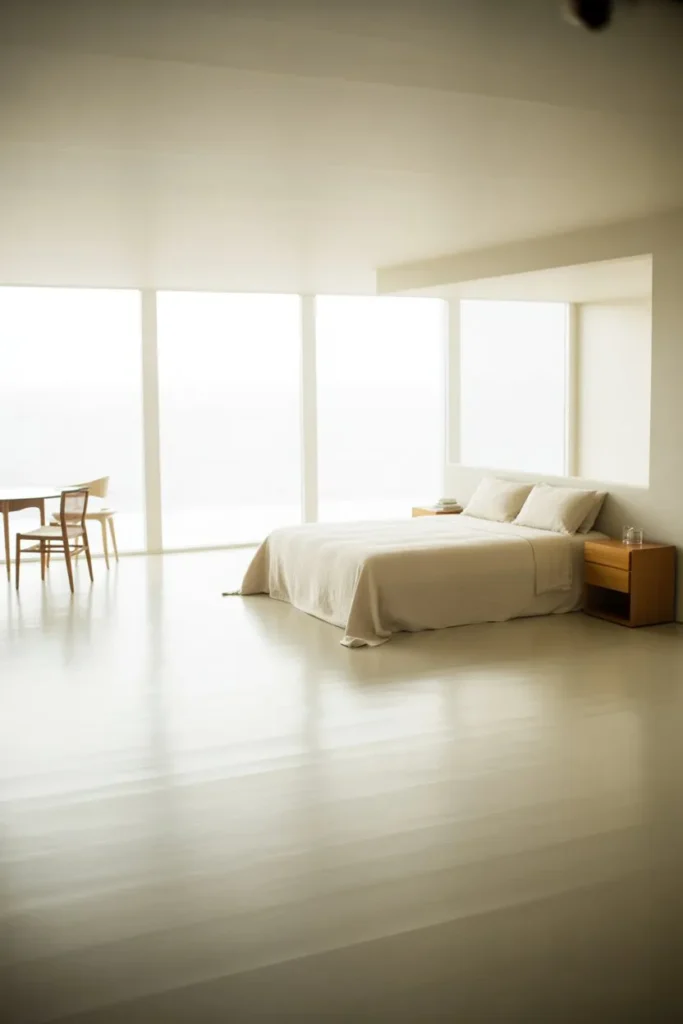
Leaving enough open floor space improves both movement and visual clarity. A crowded room feels smaller and less comfortable, while open space creates a sense of freedom.
This approach also makes cleaning easier and keeps the room feeling fresh. It’s one of the simplest ways to improve both function and design.
11. Low Bed Design for a Grounded Minimal Feel
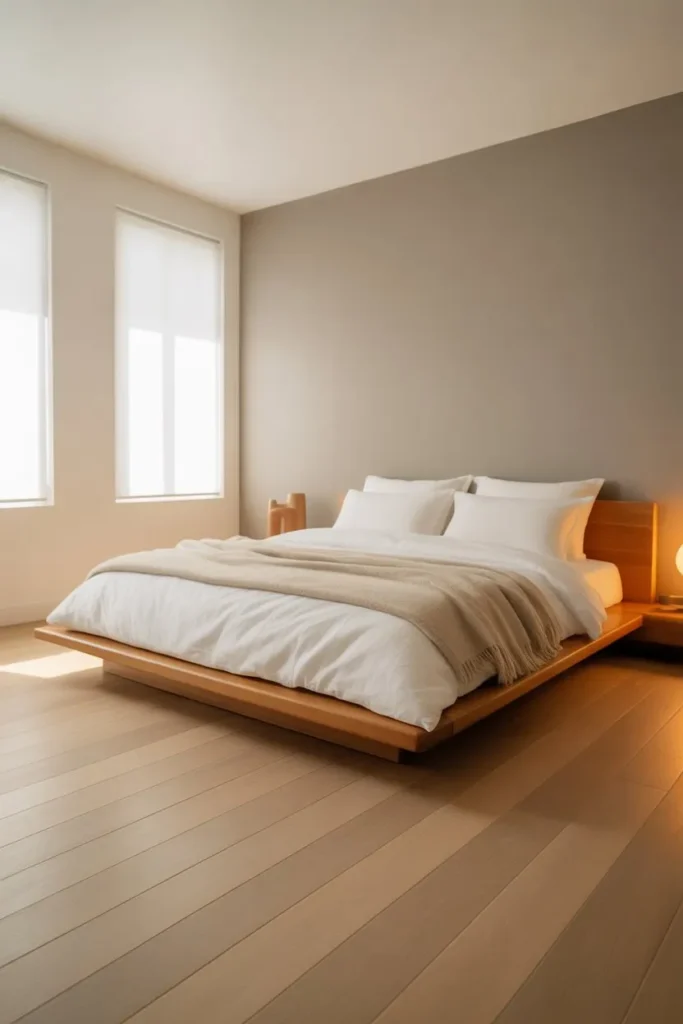
A low bed visually lowers the center of the room, making the space feel more grounded and less crowded. This is especially effective in smaller bedrooms where vertical bulk can make the room feel tighter.
It also enhances the feeling of openness by creating more visible wall space. Paired with simple bedding and minimal decor, this setup creates a calm, almost hotel-like atmosphere that promotes relaxation and better sleep quality.
12. Limited Color Palette for Visual Clarity
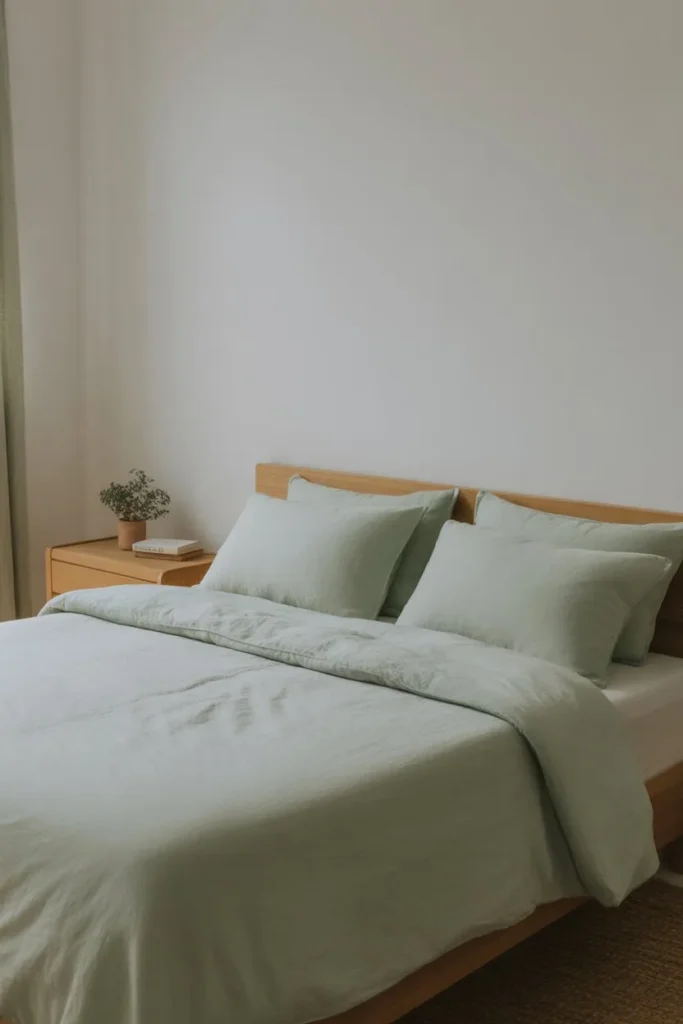
Restricting the room to two or three colors is one of the most powerful ways to maintain simplicity. Too many colors create visual noise, which can make the space feel chaotic even if it’s clean.
A limited palette keeps everything connected—walls, furniture, textiles—resulting in a cohesive and calming environment. This approach also makes future updates easier, as new elements can blend seamlessly into the existing design.
13. Multi-Functional Furniture for Smart Living
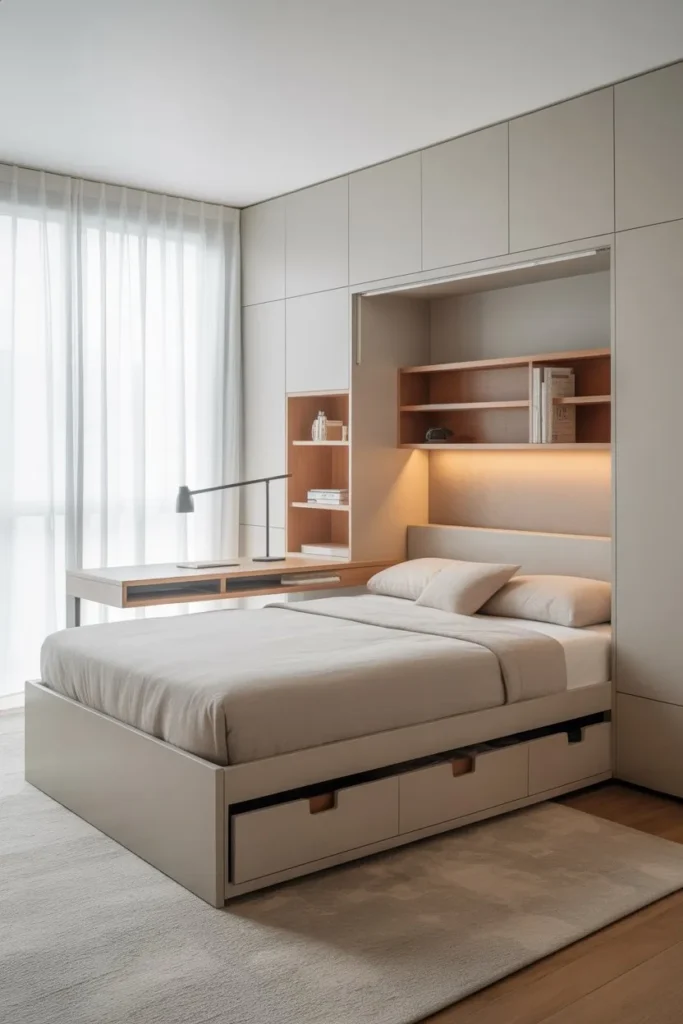
In smaller or practical spaces, furniture should serve more than one purpose. A bed with storage, a foldable desk, or a compact wardrobe helps maximize usability without increasing clutter.
This reduces the need for additional pieces, keeping the room simple while still highly functional. It’s a smart way to maintain both efficiency and visual cleanliness.
14. Clean Wall Design with Minimal Decor Focus
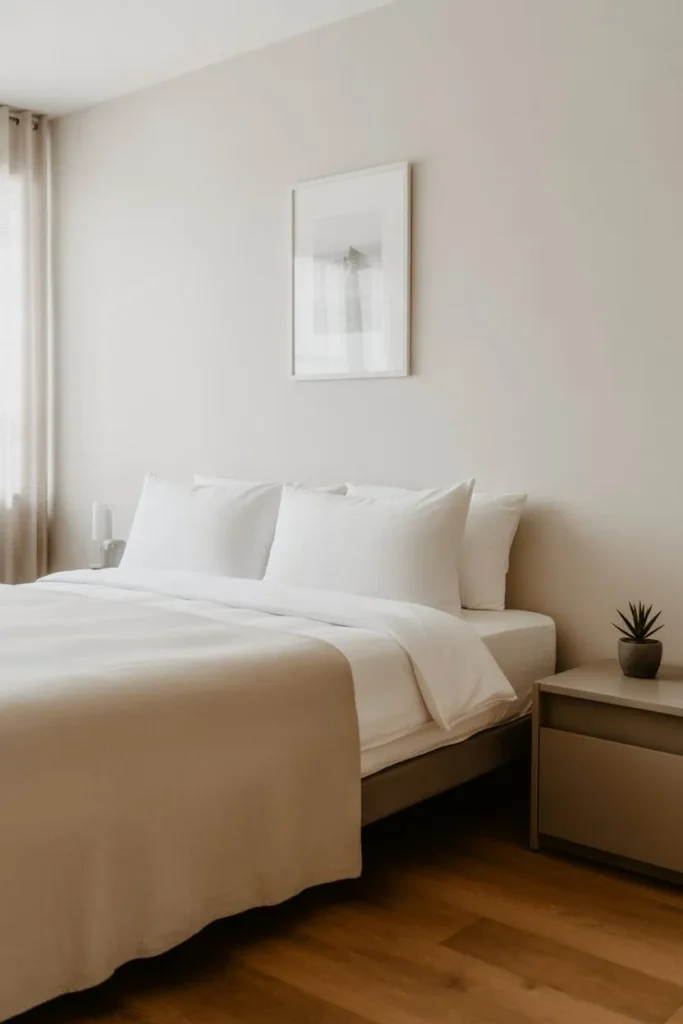
Walls play a major role in how a room feels. Keeping them mostly clean reduces distractions and enhances the sense of calm. Instead of filling walls with multiple items, choose one or two meaningful pieces.
This creates a focal point without overwhelming the space. The result is a room that feels intentional rather than cluttered.
15. Simple Bedroom with Natural Material Integration

Natural materials like wood, cotton, and linen add warmth without complicating the design. They bring a subtle richness that makes the room feel more comfortable and inviting.
Unlike synthetic finishes, natural textures age well and maintain a timeless appeal. This helps keep the room simple while still feeling complete and lived-in.
16. Decluttered Surfaces for Mental Calm
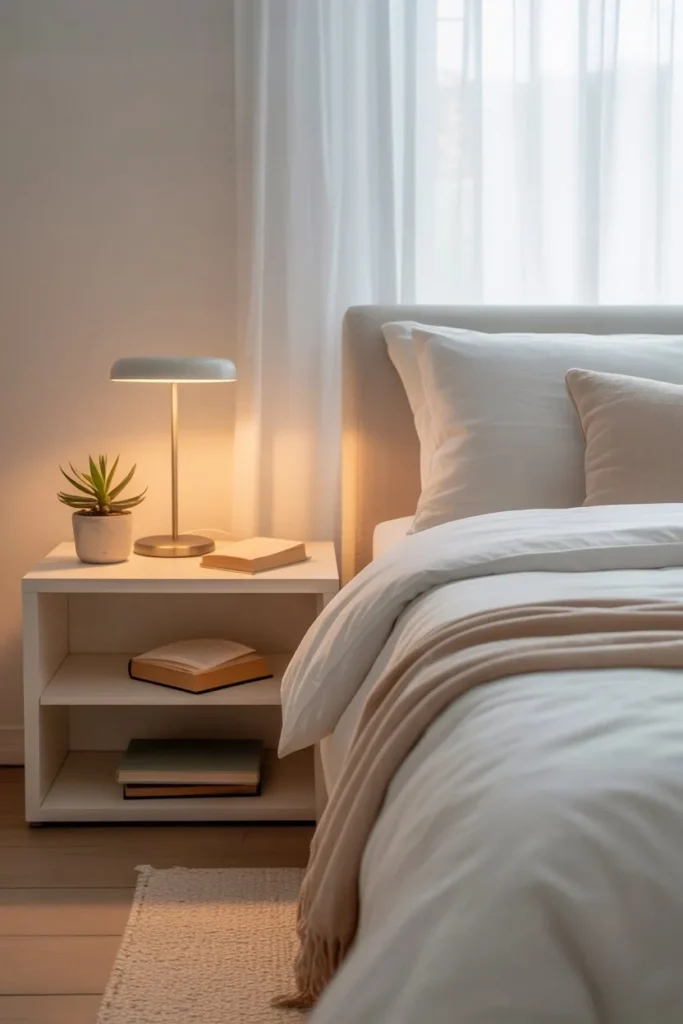
Clear surfaces directly impact how the room feels mentally. When bedside tables, dressers, and other surfaces are clutter-free, the space feels more peaceful and easier to manage.
Keeping only essential items visible reduces stress and helps maintain the room’s simplicity over time. It’s a small habit that has a big impact on overall comfort.
17. Fully Balanced Simple Bedroom Design
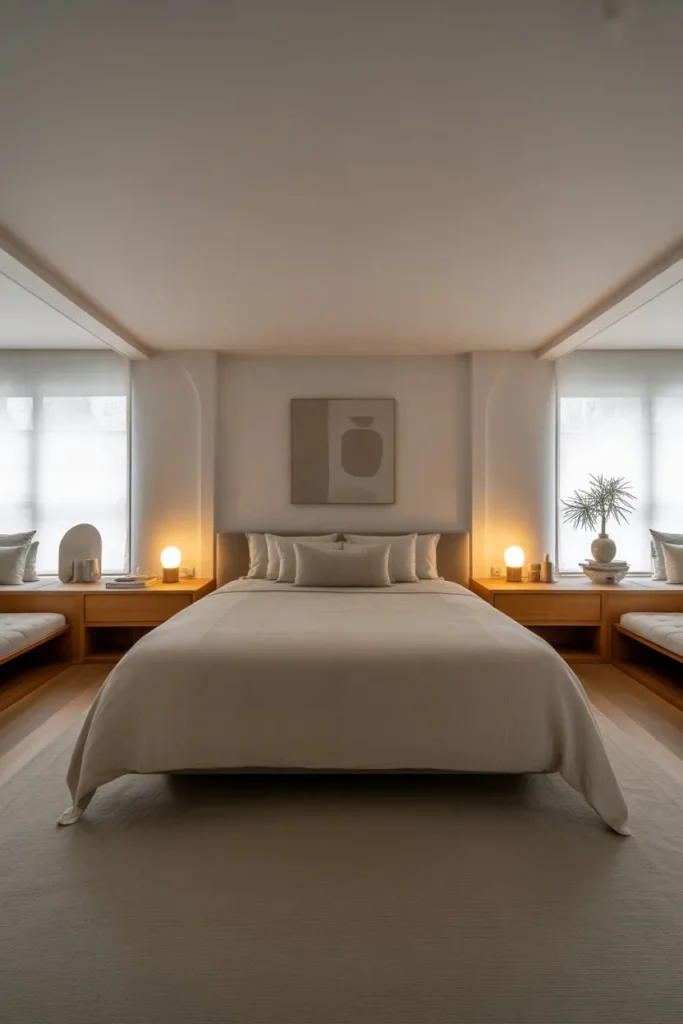
A successful simple bedroom is not about having less—it’s about having the right elements in the right balance. Layout, lighting, materials, and storage should all work together seamlessly.
When everything is aligned, the room feels effortless, functional, and calming. This balance is what turns a basic bedroom into a space that truly supports rest and everyday comfort.
Conclusion
The best simple bedroom design ideas are built on balance, clarity, and thoughtful choices. By focusing on clean layouts, limited colors, and functional furniture, you can create a space that feels both comfortable and visually calm. Small habits like keeping surfaces clear and choosing the right materials make a lasting difference. With the right approach, your bedroom can become a peaceful and organized environment that supports rest and everyday comfort.