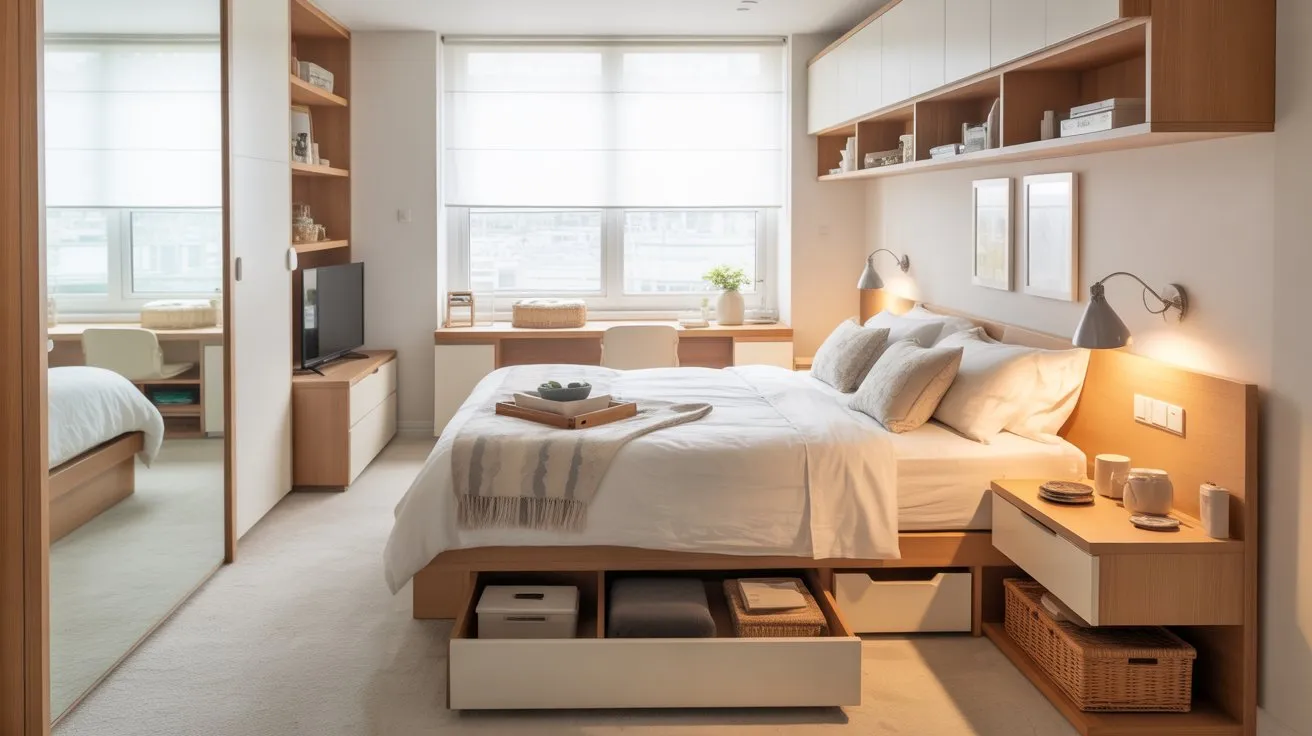
Knowing how to arrange bed in small room spaces can completely change how the room feels and functions. A poorly placed bed can make even a decent-sized room feel cramped, while the right layout can open up space and improve usability. The key is understanding flow, proportions, and smart furniture choices. These ideas focus on practical solutions that maximize every inch, helping you create a layout that feels comfortable, organized, and visually balanced without sacrificing style.
1. Bed Against the Longest Wall Layout
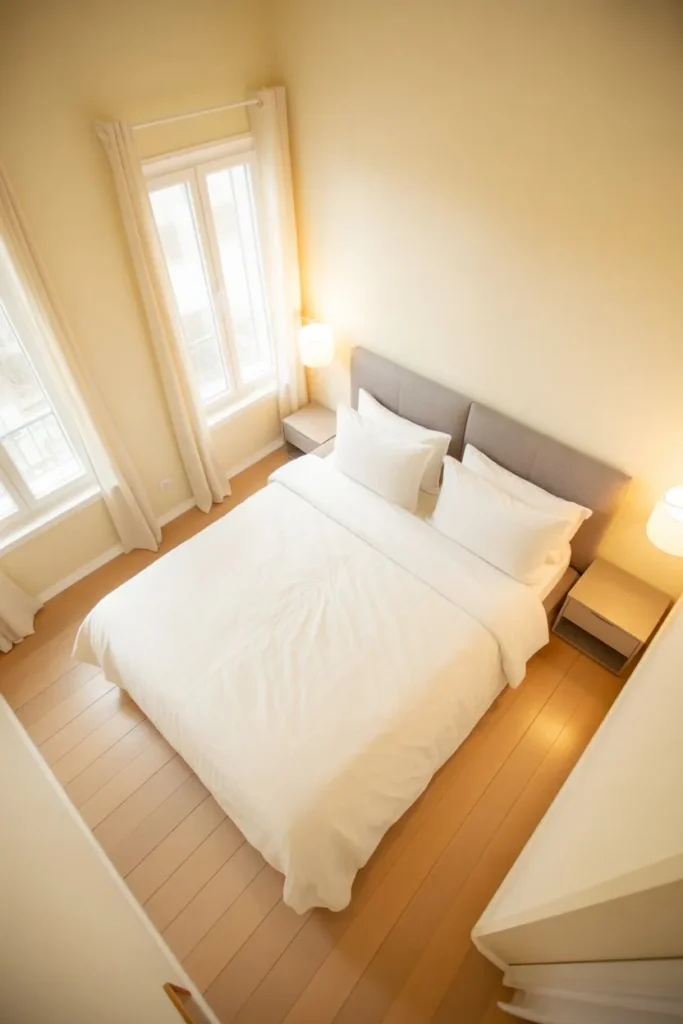
One of the most effective solutions when figuring out how to arrange bed in small room spaces is placing the bed against the longest wall. This immediately frees up central floor space, making the room feel less cramped and more functional.
This layout works particularly well in rectangular rooms where wall length can be used to your advantage. By aligning the bed with the longest wall, you create a clear walking path and improve circulation. It also allows you to position other essential furniture like a wardrobe or desk without overcrowding the layout.
2. Corner Bed Placement for Maximum Floor Space
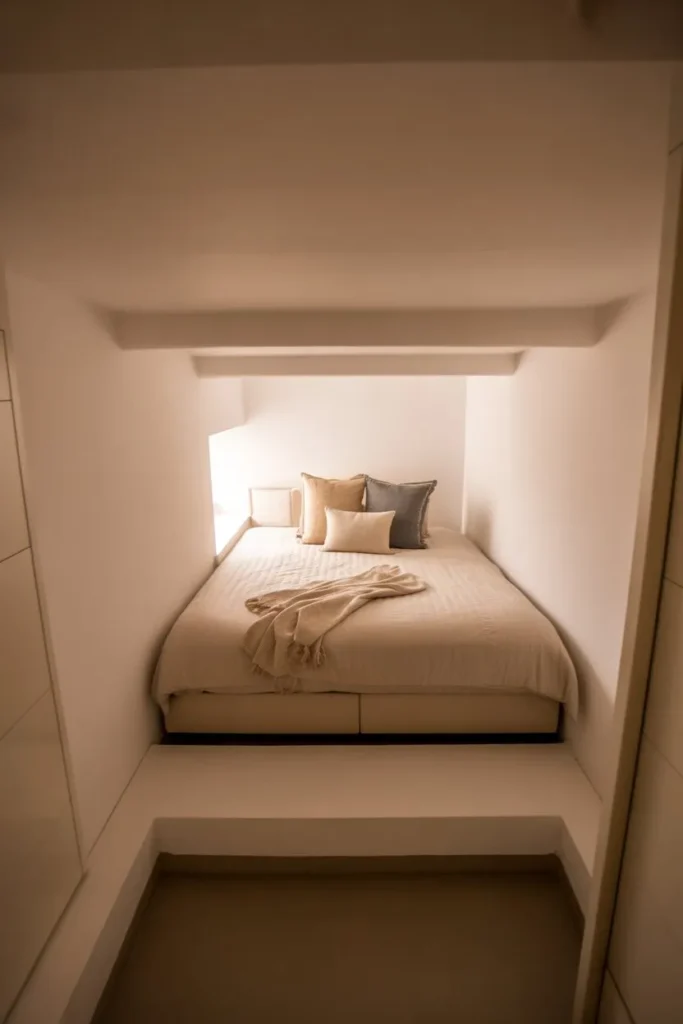
Placing the bed in a corner is a highly practical approach when learning how to arrange bed in small room layouts. This setup opens up the rest of the room, creating more usable floor space for movement or additional furniture.
While this may reduce access to one side of the bed, the trade-off is worth it in tight spaces. It’s especially useful in studio apartments or very compact bedrooms where every inch matters. Adding wall lighting instead of bedside tables can further optimize the space.
3. Bed Under the Window for Balanced Layout
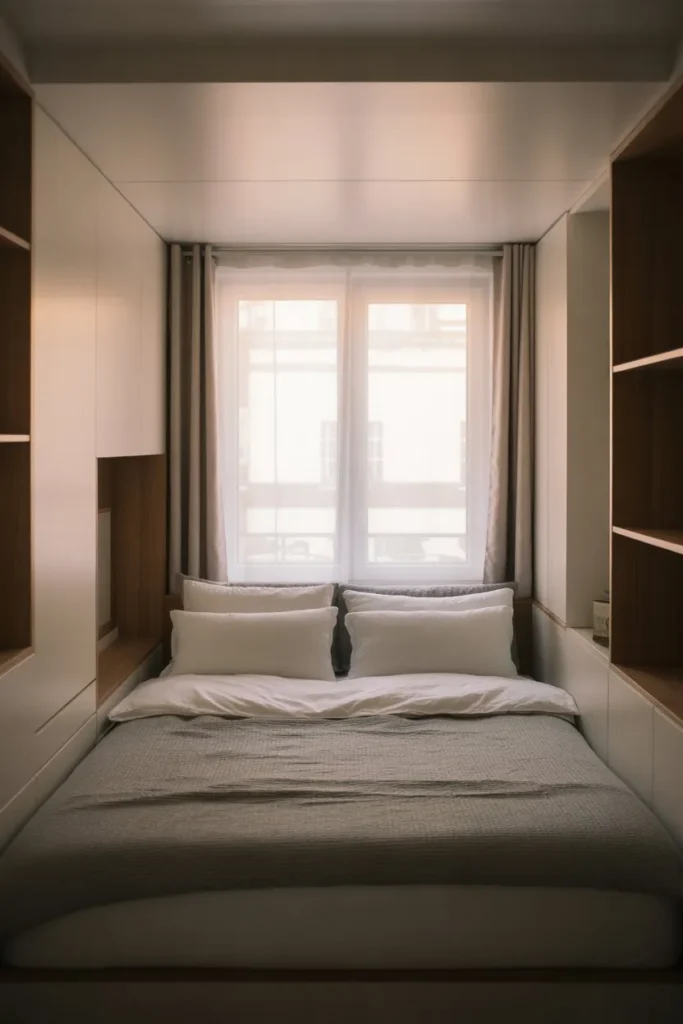
Positioning the bed under a window is another smart option when considering how to arrange bed in small room designs. This placement allows you to utilize a wall that might otherwise go unused while keeping the rest of the room open.
It works best when the window height allows enough space for the headboard or when using a low-profile bed. This setup also enhances natural light exposure, making the room feel brighter and more spacious throughout the day.
4. Floating Bed Layout with Open Pathways
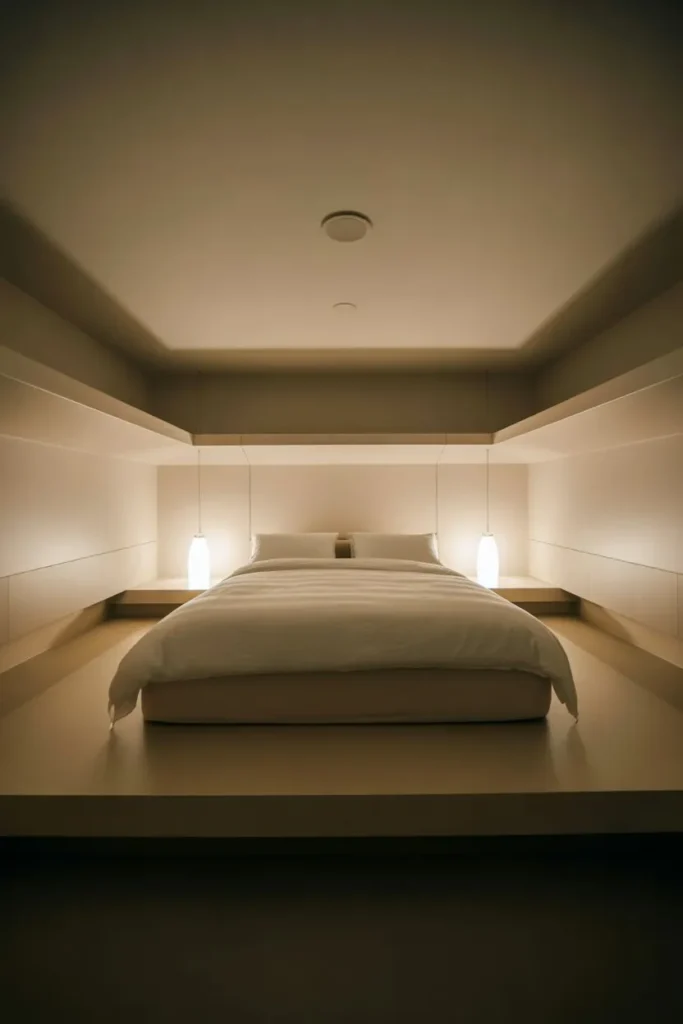
A floating bed layout may seem counterintuitive in small spaces, but it can actually improve accessibility and balance. When exploring how to arrange bed in small room setups, leaving small pathways on both sides of the bed can make the room feel more structured.
This layout works best when the room allows at least minimal clearance on each side. It improves comfort, especially for shared use, and creates a more symmetrical and polished appearance.
5. Bed with Built-In Storage Base
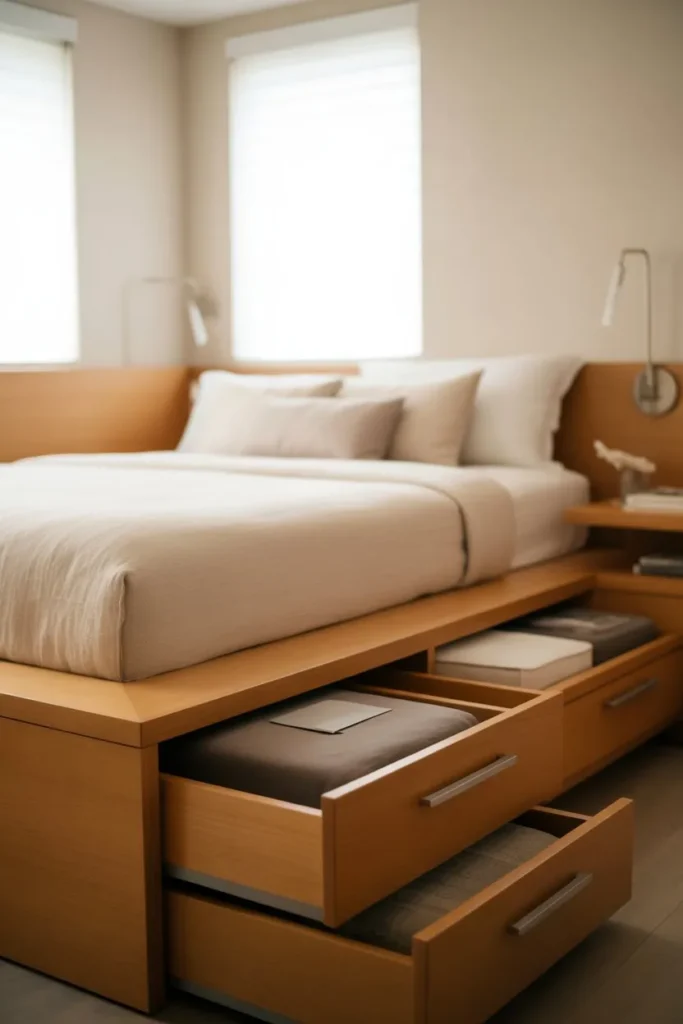
In small spaces, the bed should do more than just provide sleeping space. One of the smartest solutions when learning how to arrange bed in small room designs is choosing a bed with built-in storage.
Drawers or lift-up storage beneath the bed eliminate the need for bulky furniture like dressers. This helps reduce clutter and frees up valuable floor space. It’s a highly efficient way to combine functionality with layout optimization, especially in compact rooms.
6. Bed Aligned with Entry for Clear Visual Flow
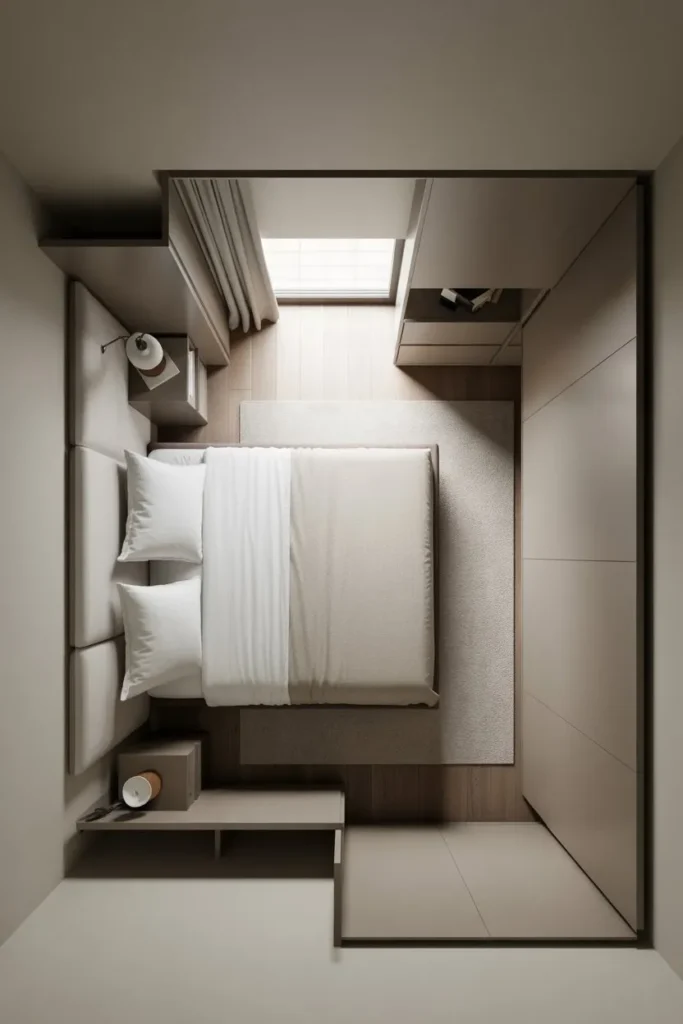
When thinking about how to arrange bed in small room layouts, entry alignment is often ignored—but it makes a huge difference. Placing the bed parallel to the door (instead of blocking the entry view) creates an immediate sense of openness as soon as you enter the room.
This layout improves visual flow, making the room feel less cramped. It also ensures that movement from the door to other areas (wardrobe, window, desk) remains uninterrupted. Avoid placing the bed directly in line with the door if it restricts access—slight offset positioning often works best for both comfort and functionality.
7. Bed with Wall-Mounted Lighting Instead of Side Tables
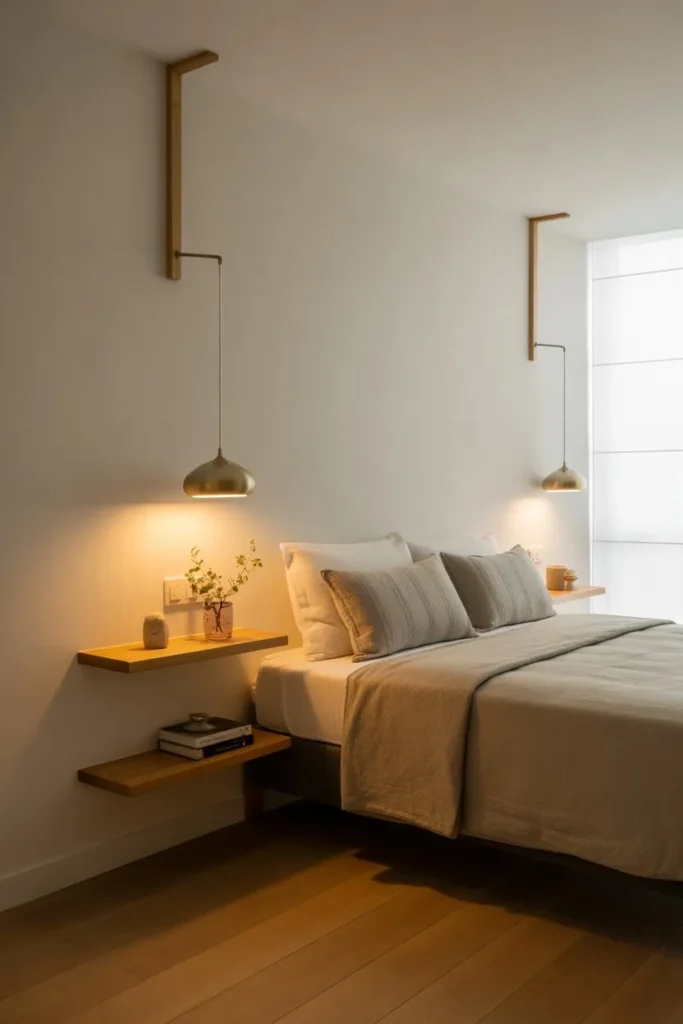
One of the most effective upgrades when learning how to arrange bed in small room setups is removing bulky bedside tables. Instead, use wall-mounted lighting or compact floating shelves to free up valuable floor space.
This approach creates a cleaner and more open layout, especially in narrow rooms. Wall lighting also improves usability by directing light exactly where it’s needed without taking up physical space. It’s a small change that significantly enhances both function and visual simplicity.
8. Loft Bed Layout for Vertical Space Optimization
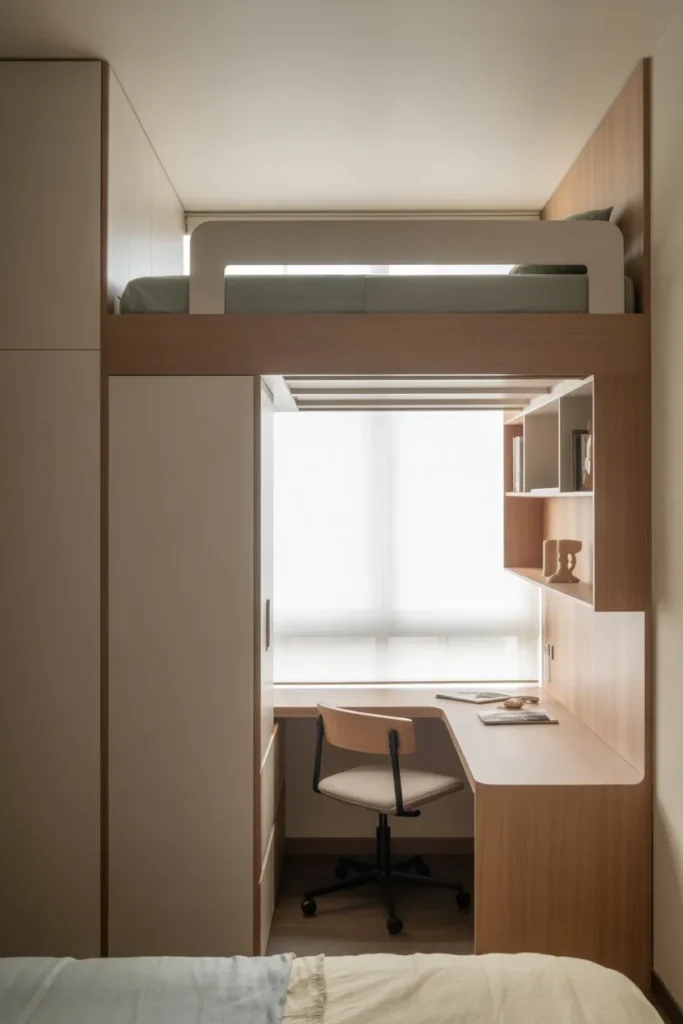
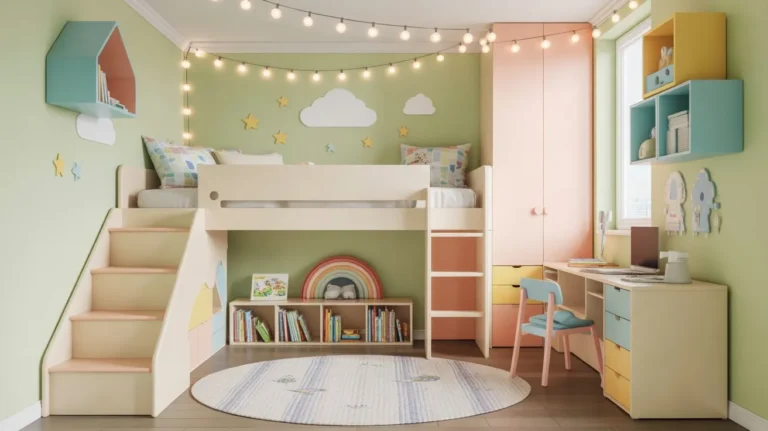
If floor space is extremely limited, a loft bed is one of the most powerful solutions for how to arrange bed in small room designs. By elevating the bed, you free up the entire area underneath for other functions like a desk, seating, or storage.
This vertical approach transforms the room into a multi-functional space without increasing its size. It works especially well in studio apartments or compact bedrooms where combining functions is essential. Proper ceiling height and safe access (like a sturdy ladder or steps) are key considerations for this layout.
9. Bed Positioned to Create Functional Zones
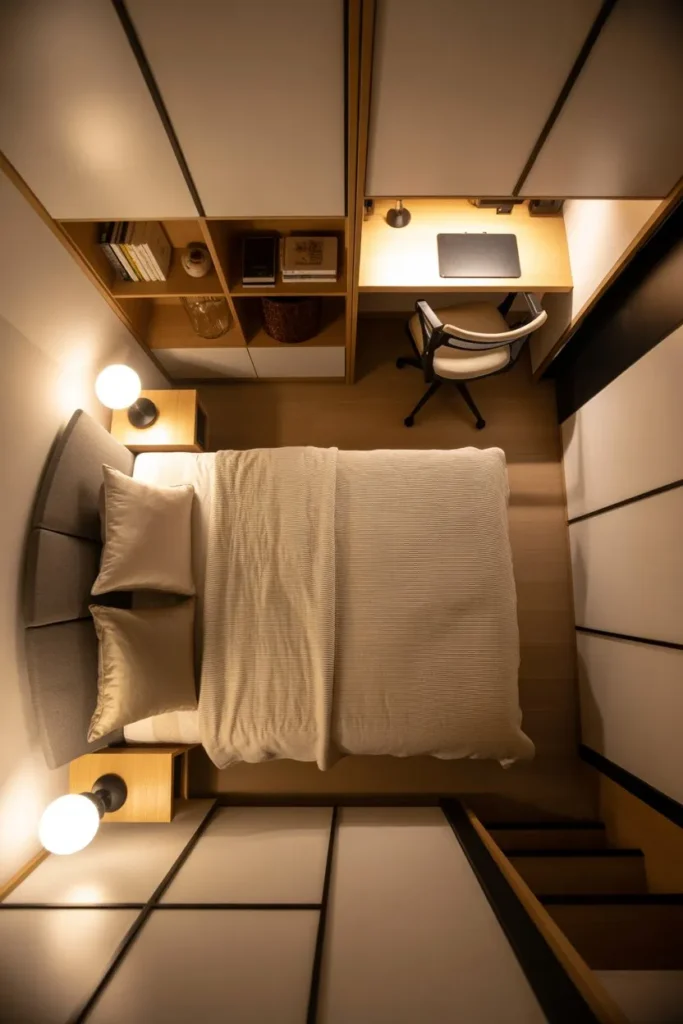
Zoning is a smart strategy when deciding how to arrange bed in small room layouts. Instead of placing everything randomly, use the bed itself to define different areas—such as separating the sleeping zone from a workspace or dressing area.
For example, placing the bed slightly away from a wall or aligning it perpendicular to another function can create natural boundaries. This makes the room feel more organized and purposeful, even without adding physical dividers.
10. Bed Along Short Wall to Open Central Space
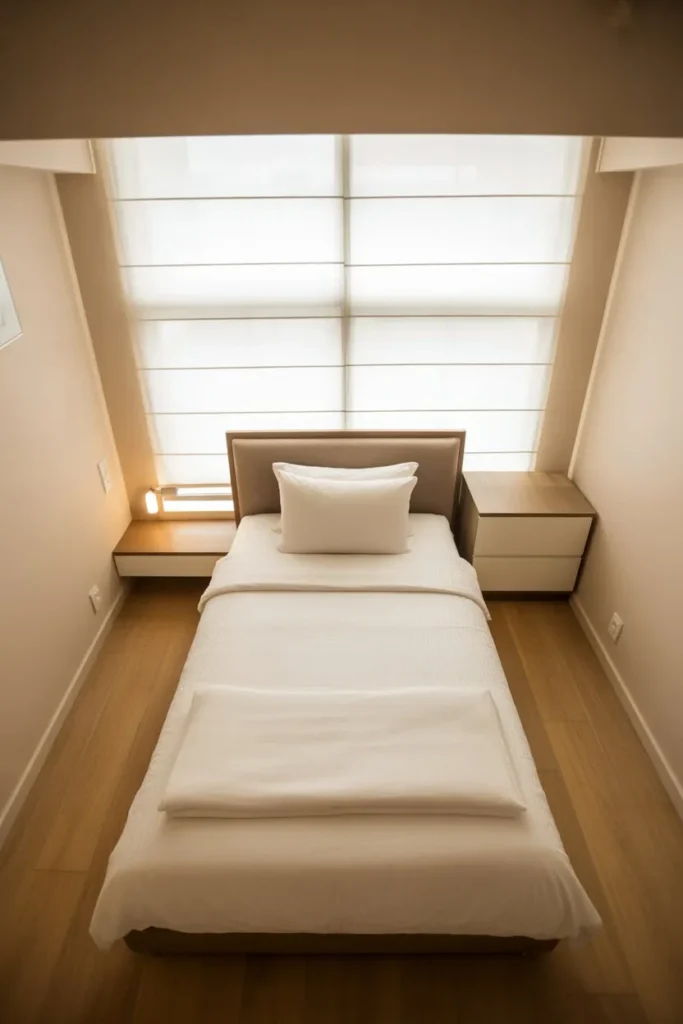
In some layouts, placing the bed along the shorter wall can actually make the room feel more spacious. This approach works well when the room is narrow and long, allowing the central area to remain open and usable.
When exploring how to arrange bed in small room designs, always consider how the placement affects movement. Keeping the center clear improves accessibility and makes the room feel less congested. This layout is especially effective when combined with minimal furniture and smart storage solutions.
11. Bed Facing Window for Depth and Visual Expansion
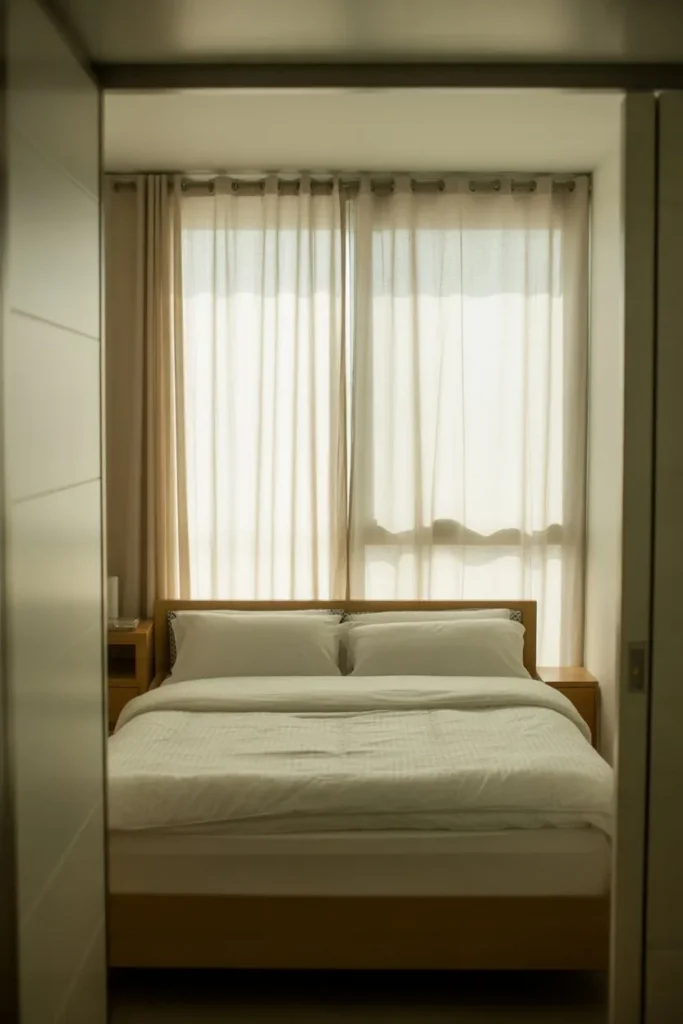
When planning how to arrange bed in small room layouts, orientation matters just as much as placement. Positioning the bed to face a window creates a sense of depth, making the room feel longer and more open. Your eye naturally moves toward the light source, which visually expands the space.
This setup works best when the window isn’t blocked by heavy furniture. Keeping curtains light and minimal allows maximum daylight, enhancing the airy feel. It also improves the overall experience of the room, making it feel less confined and more connected to the outside environment.
12. Bed with Headboard Storage Integration
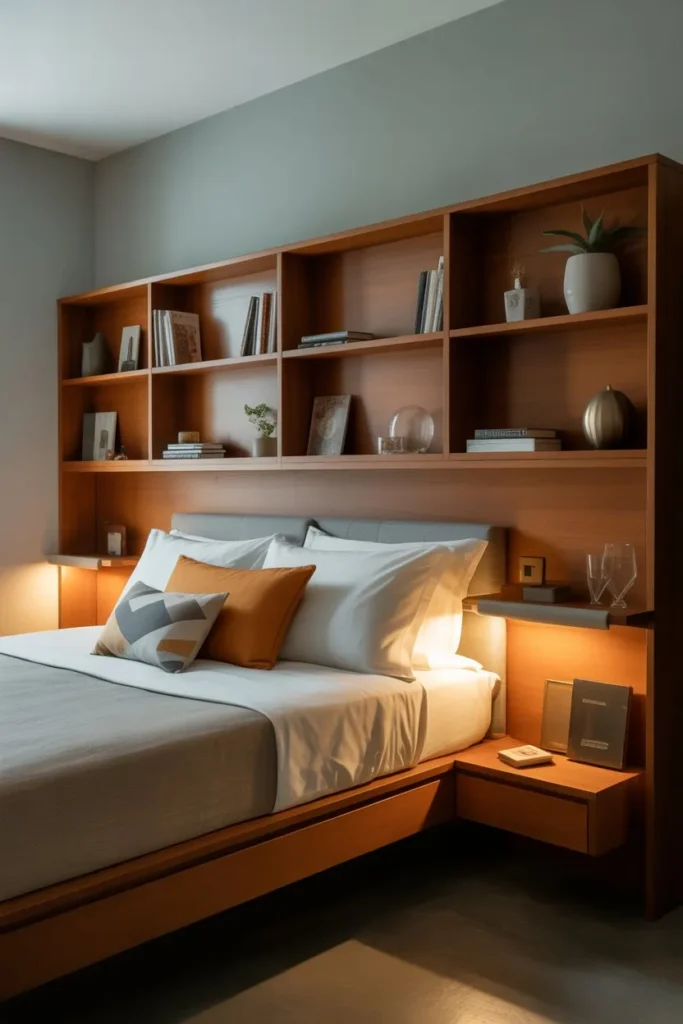
A storage headboard is one of the smartest solutions for how to arrange bed in small room designs where space is extremely limited. Instead of adding separate furniture, the headboard itself becomes a storage unit for books, essentials, or decor.
This reduces the need for bedside tables and keeps everything within reach. It’s particularly useful in narrow rooms where side clearance is minimal. By combining sleeping and storage functions into one unit, you simplify the layout and reduce clutter significantly.
13. Bed with Sliding Furniture Integration
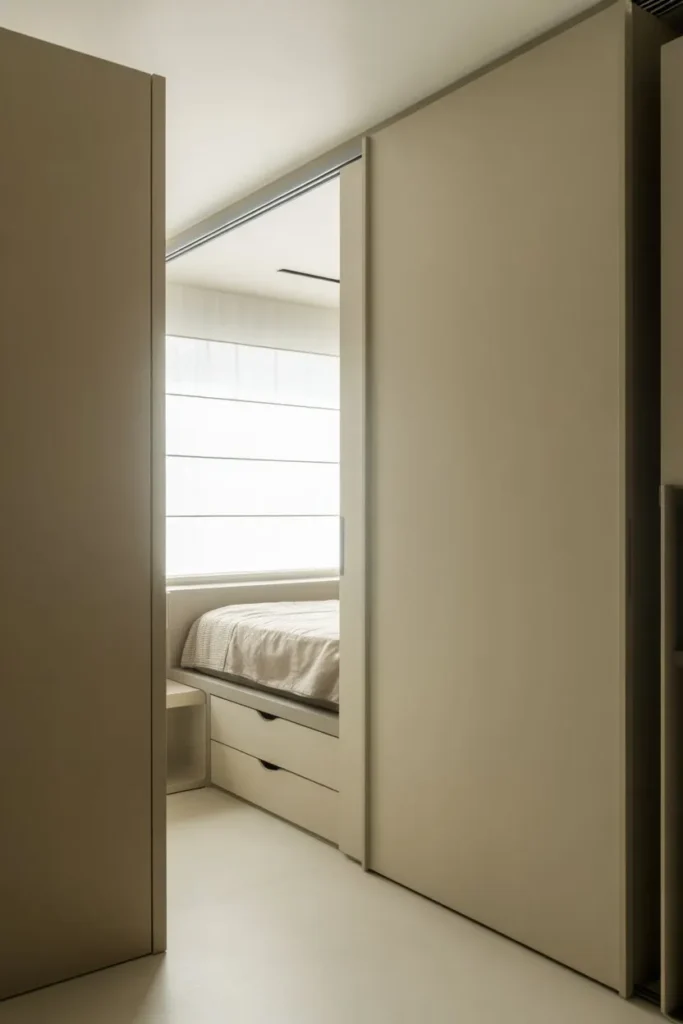
In tight spaces, traditional furniture placement can block movement and reduce usability. One of the most practical approaches to how to arrange bed in small room setups is pairing it with sliding elements like wardrobes or doors.
Sliding wardrobes eliminate the need for door clearance, allowing the bed to be placed closer without restricting access. This creates a more compact and efficient layout while maintaining functionality. It’s a key strategy in modern small-space design.
14. Bed Positioned with Multi-Functional Furniture
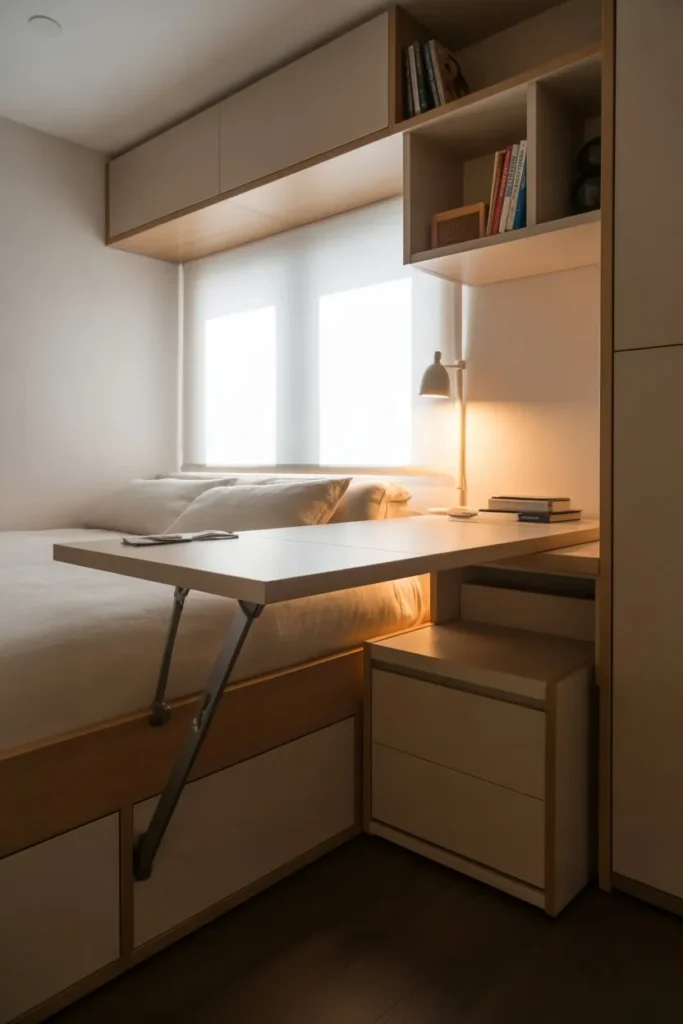
Multi-functional furniture is essential when optimizing how to arrange bed in small room layouts. Instead of dedicating space to separate items, combining functions—like a bed with a foldable desk or attached unit—maximizes usability.
This approach reduces clutter and allows the room to serve multiple purposes without feeling overcrowded. It’s especially effective in studio apartments or rooms that need to function as both sleeping and working spaces.
15. Fully Optimized Small Room Bed Layout
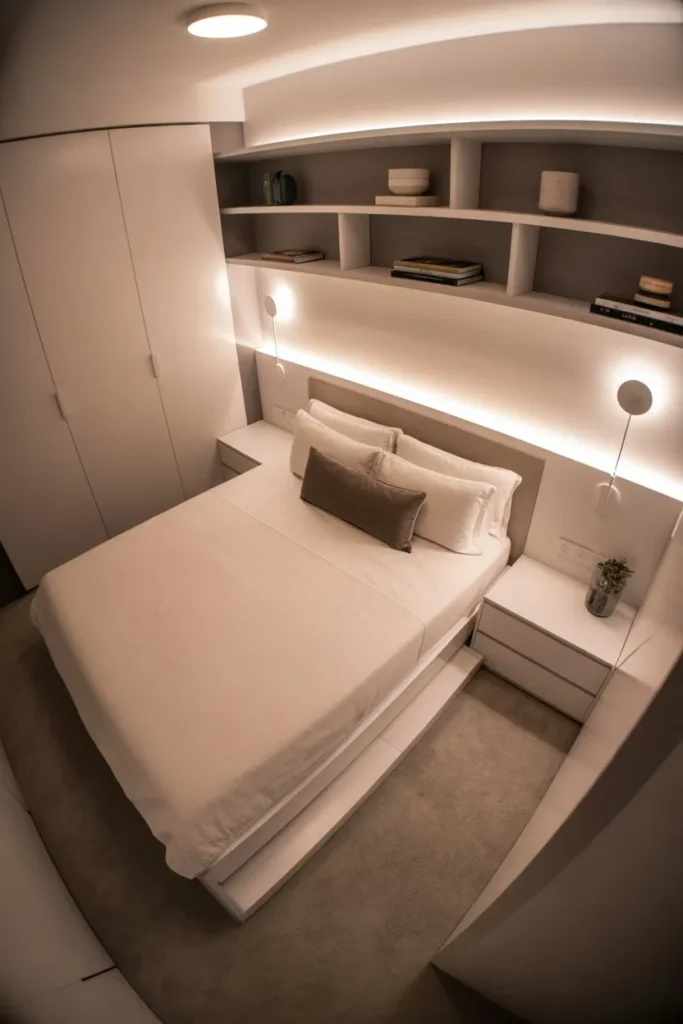
The best solution for how to arrange bed in small room designs is not about one idea—it’s about combining multiple strategies into a cohesive layout. Proper placement, smart storage, clear pathways, and balanced proportions all work together to create an efficient space.
A well-optimized room ensures that every element has a purpose. The bed is positioned for comfort, storage is integrated seamlessly, and movement remains unrestricted. This holistic approach transforms even the smallest room into a functional, comfortable, and visually appealing environment.
Conclusion
The best way to approach how to arrange bed in small room layouts is by focusing on efficiency, balance, and smart use of space. Small adjustments in placement, storage, and furniture selection can significantly improve how the room feels and functions. By combining multiple strategies, you can create a layout that is both practical and comfortable. Even the smallest room can feel spacious when designed thoughtfully and intentionally.