A well-designed study room setup can make a significant difference in focus, productivity, and overall comfort. It’s not just about having a desk and chair—it’s about creating an environment that supports how you work and think. From layout and lighting to storage and organization, every detail plays a role in maintaining concentration. Whether you’re studying, working, or both, these ideas focus on practical solutions that help you build a clean, efficient, and distraction-free space.
1. Minimal Desk Setup with Distraction-Free Layout
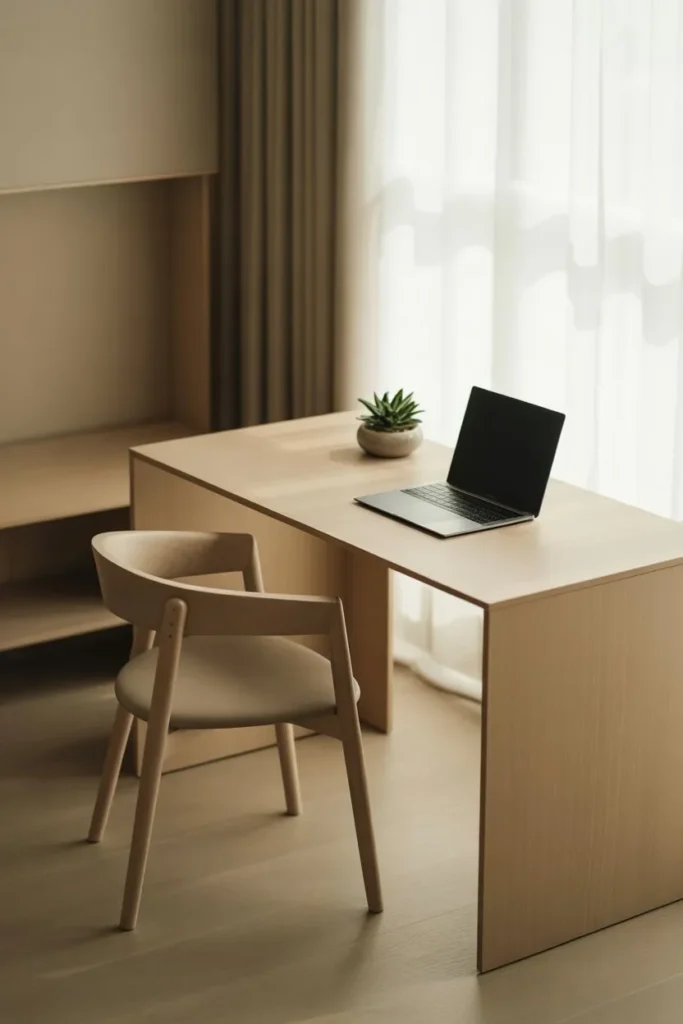
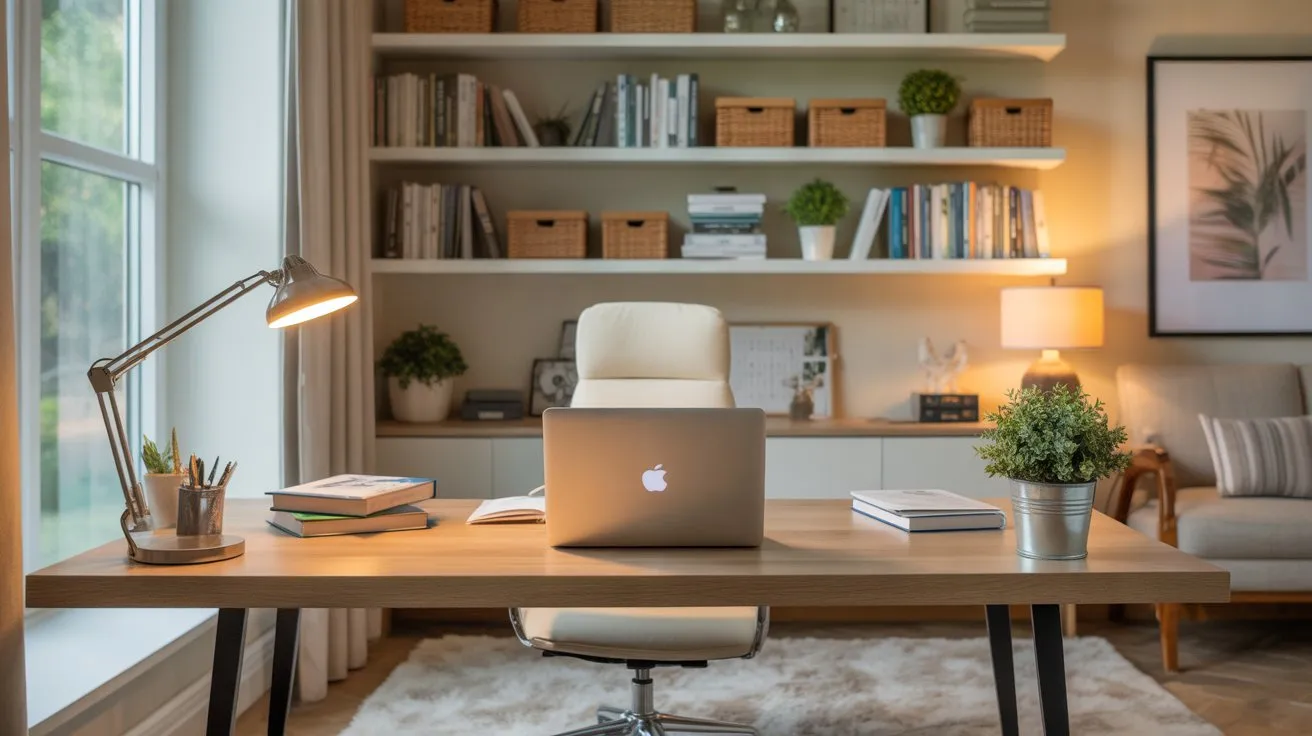
A distraction-free desk is the foundation of a productive study room. Keeping only essential items on the surface—like a laptop, notebook, and minimal decor—helps reduce visual noise and improves concentration.
Clutter often leads to mental fatigue, so limiting what’s visible creates a calmer environment. This setup works best when paired with hidden storage solutions that keep necessary items accessible but out of sight.
2. Study Desk Positioned Near Natural Light

Placing your desk near a window improves both focus and comfort. Natural light reduces eye strain and helps maintain energy levels during long study sessions.
Position the desk so light comes from the side rather than directly behind or in front to avoid glare. This layout not only enhances productivity but also makes the room feel more open and inviting.
3. Study Room with Zoned Work and Relax Areas
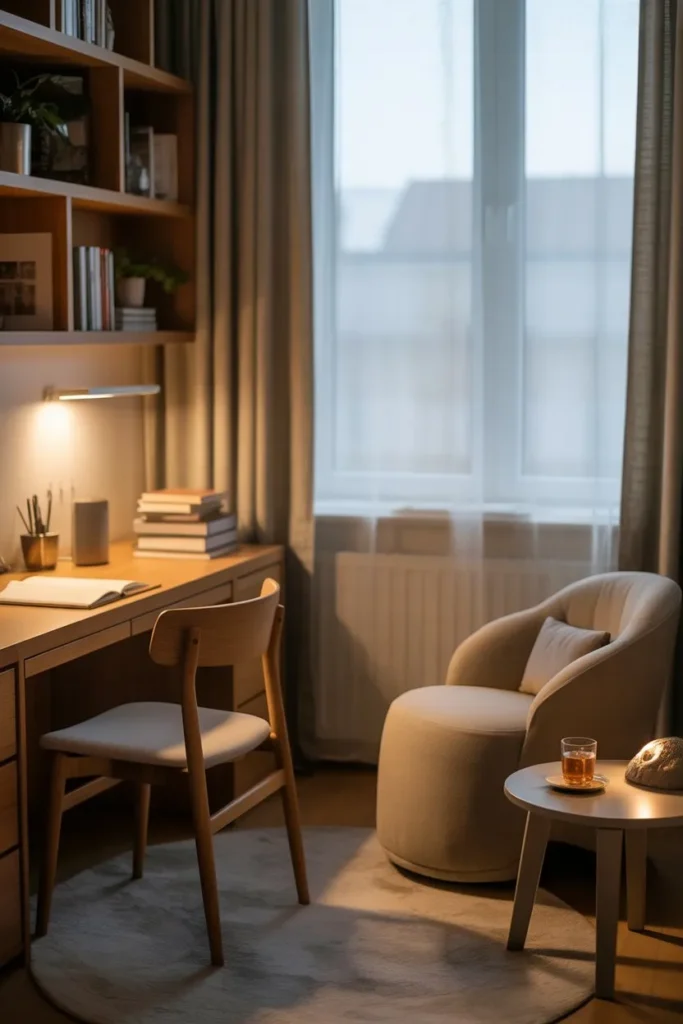
Creating separate zones for work and short breaks improves focus over time. A dedicated desk area keeps you productive, while a small relaxation corner allows you to reset without leaving the room.
This structure helps maintain discipline—your mind associates each area with a specific activity. Even in smaller spaces, simple zoning through furniture placement or rugs can make a noticeable difference.
4. Vertical Storage Setup for Organized Workflow
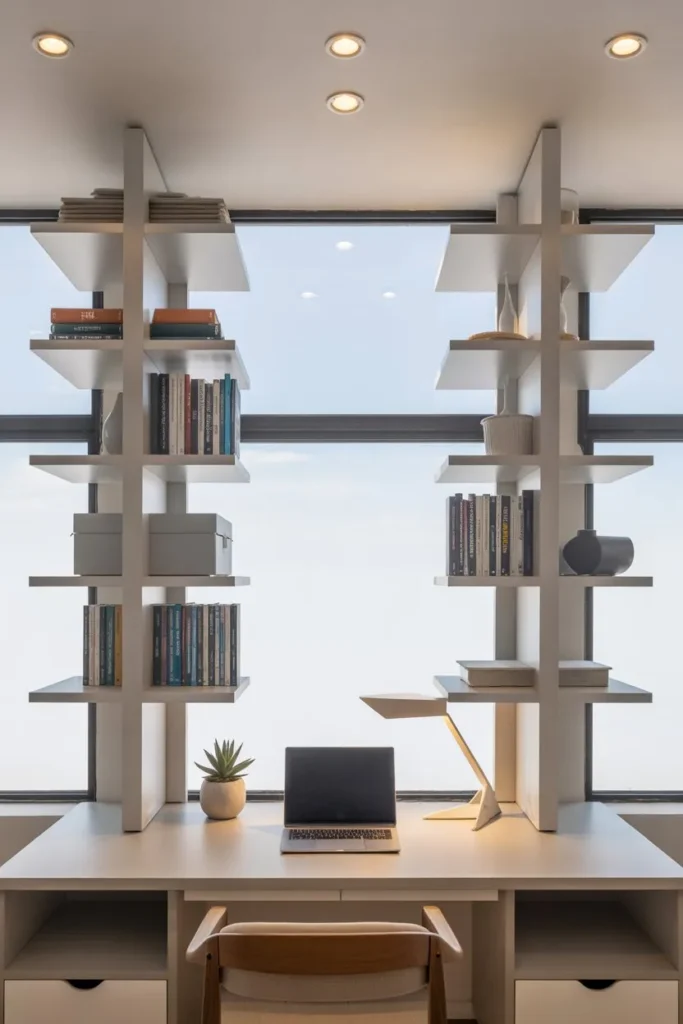
Using vertical space keeps the desk clear while ensuring everything remains within reach. Shelves above the desk can hold books, supplies, or decor without taking up floor space.
This setup improves efficiency by reducing the need to move around during study sessions. It’s especially useful in compact rooms where maximizing space is essential.
5. Neutral Color Study Room for Better Focus
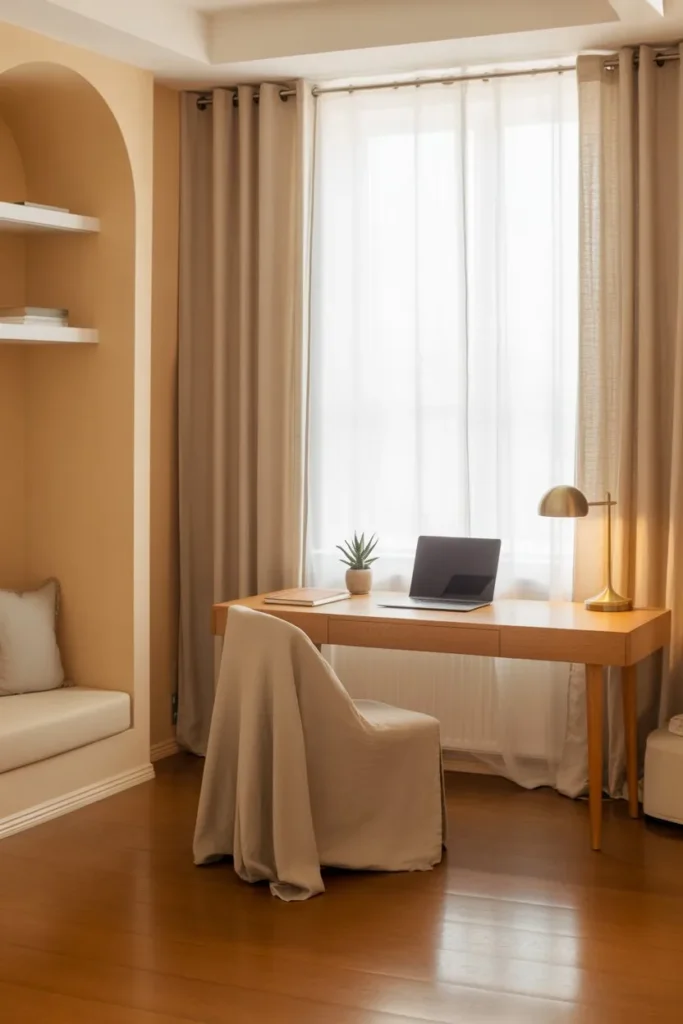
Color plays a major role in concentration. Neutral tones like white, beige, and soft gray create a calm environment that reduces distractions and supports long periods of focus.
Avoid overly bright or contrasting colors in the main workspace. Keeping the palette soft and consistent helps maintain a steady and relaxed mindset while studying.
6. Ergonomic Study Setup for Long Hours
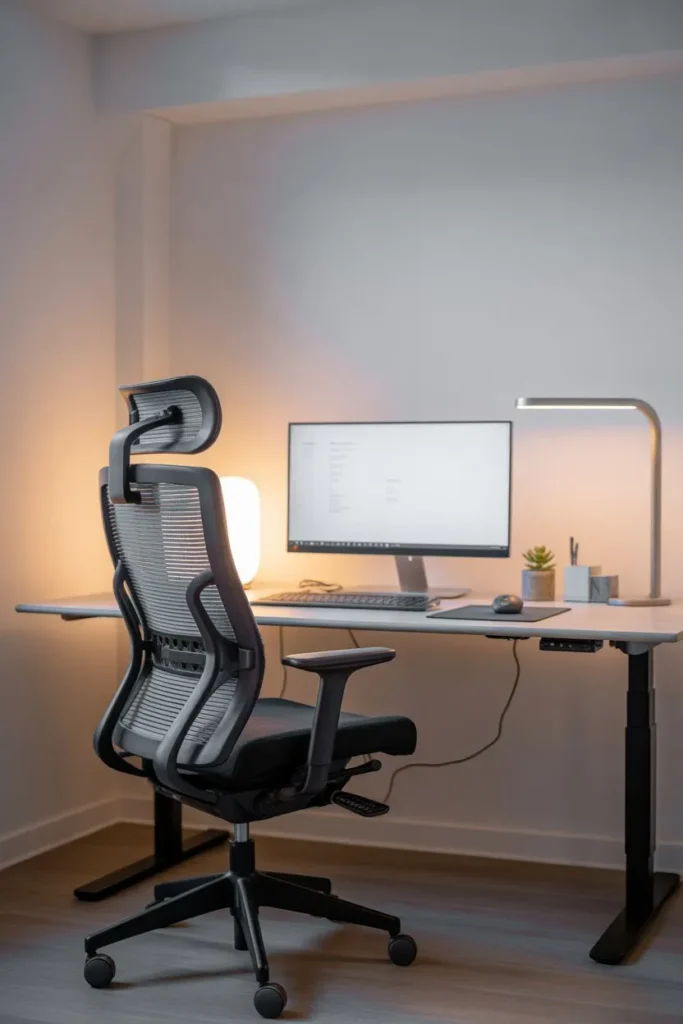
A study setup should support your body as much as your focus. Proper desk height, an ergonomic chair, and screen placement at eye level reduce strain during long sessions. Poor posture leads to fatigue, which directly affects productivity.
Keeping feet flat on the floor and wrists aligned with the desk surface helps maintain comfort over time. This setup is especially important for students or professionals who spend multiple hours working daily, as it prevents discomfort from turning into distraction.
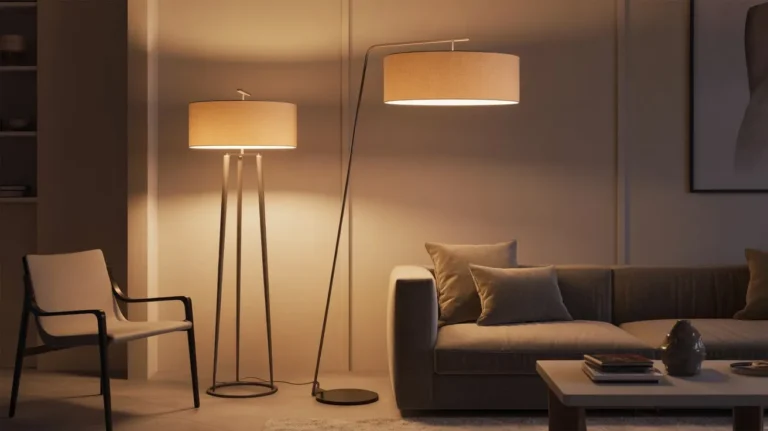
7. Study Room with Layered Lighting Setup
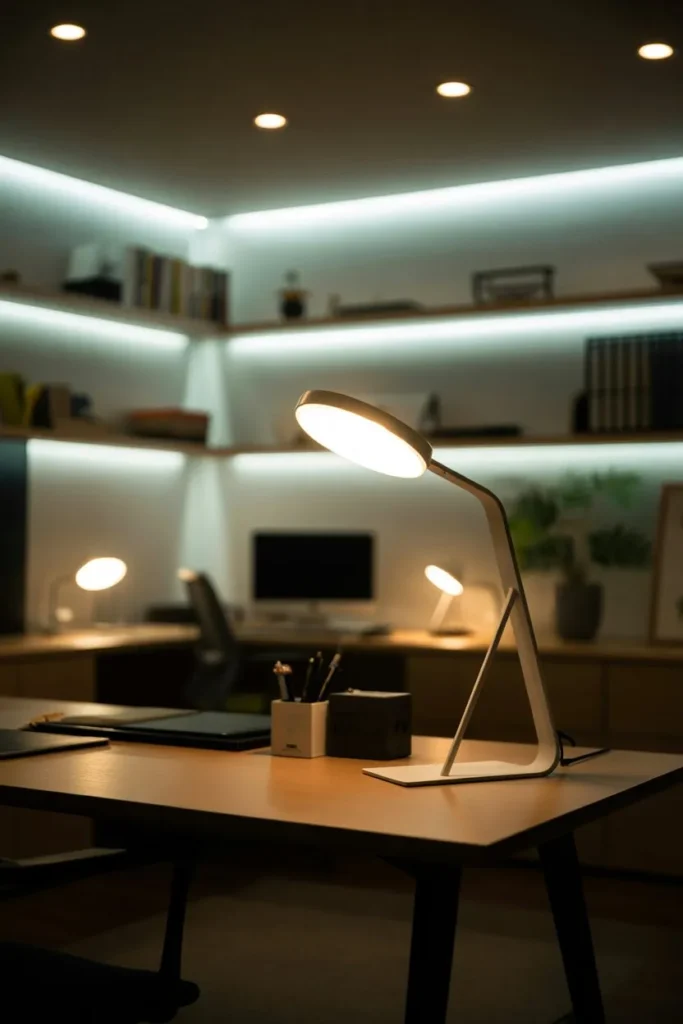
Lighting should adapt to different tasks and times of day. A combination of overhead lighting, a focused desk lamp, and soft ambient light creates a balanced environment that supports both concentration and comfort.
Cool light works better for focused tasks, while warmer tones help reduce eye strain during longer sessions. Adjusting lighting based on activity ensures the space remains functional without becoming harsh or tiring.
8. Study Room with Cable Management System

Visible wires can quickly make a setup feel cluttered, even if everything else is organized. Managing cables with clips, sleeves, or hidden channels keeps the workspace visually clean and distraction-free.
This not only improves aesthetics but also makes maintenance easier. A clean setup allows you to focus entirely on your work without small visual interruptions.
9. Study Room with Multi-Functional Desk Design
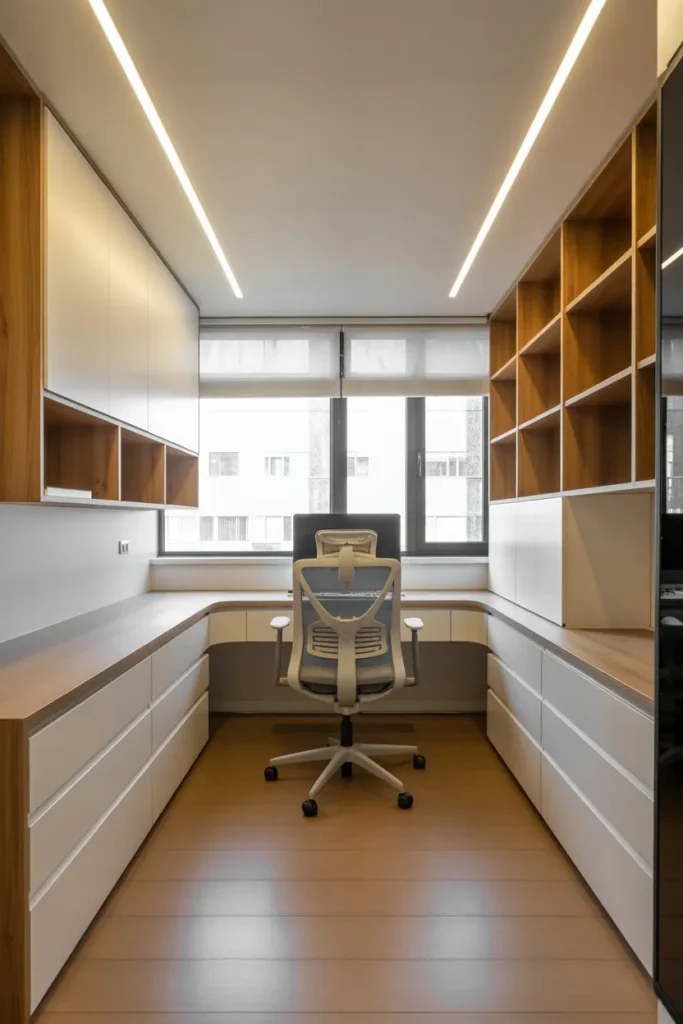
A desk that includes built-in storage or adjustable features improves efficiency without adding extra furniture. Drawers keep essentials close, while foldable or extendable surfaces adapt to different tasks.
This setup is especially useful in smaller rooms where space is limited. It allows you to maintain a clean layout while still having everything you need within reach.
10. Study Room with Distraction-Free Wall Setup
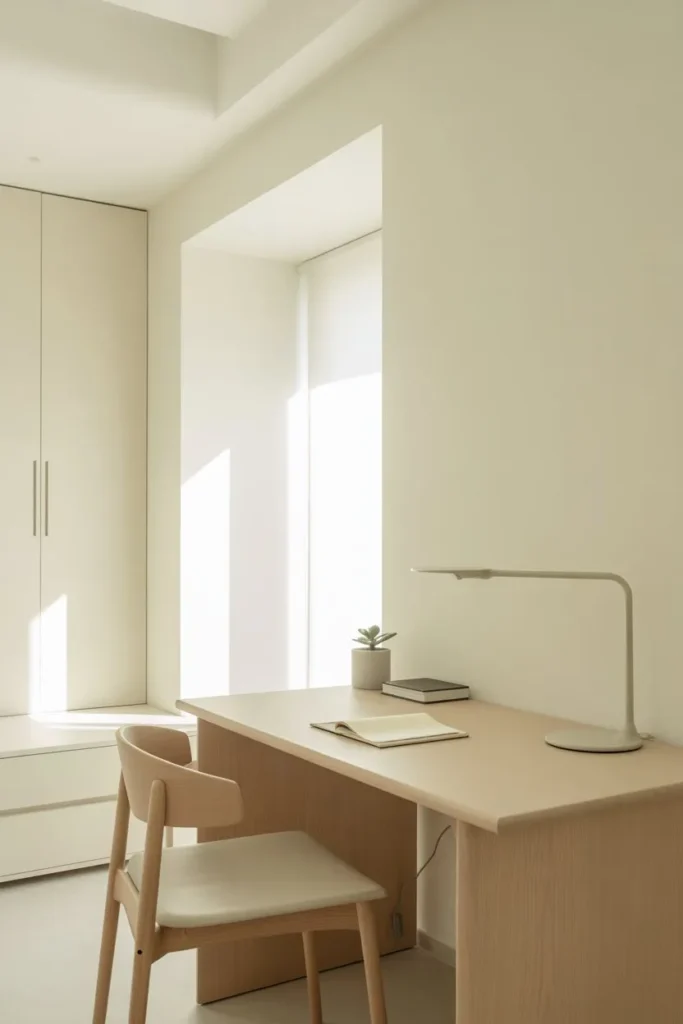
The wall in front of your desk directly affects your focus. Keeping it clean or minimally styled reduces distractions and helps maintain concentration.
If you want to add something, choose simple elements like a calendar or a single piece of art. Avoid overcrowding this area, as too many visual elements can break focus and reduce productivity.
11. Study Room with Daily Workflow Layout Planning
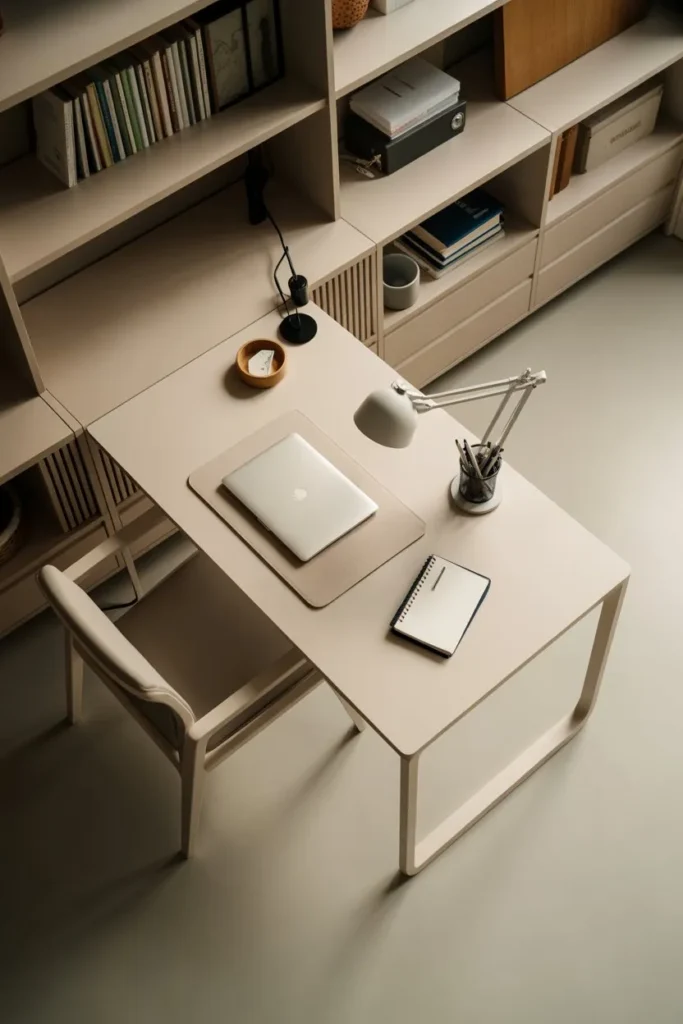
A highly effective study setup is built around workflow, not just furniture placement. Everything you use daily—books, stationery, devices—should be positioned within arm’s reach to reduce interruptions.
The goal is to create a smooth sequence: sit → access materials → work → store. When items are placed logically, you avoid breaking focus to search for things. This small change improves efficiency and helps maintain concentration over longer study sessions.
12. Study Room with Hidden Storage System
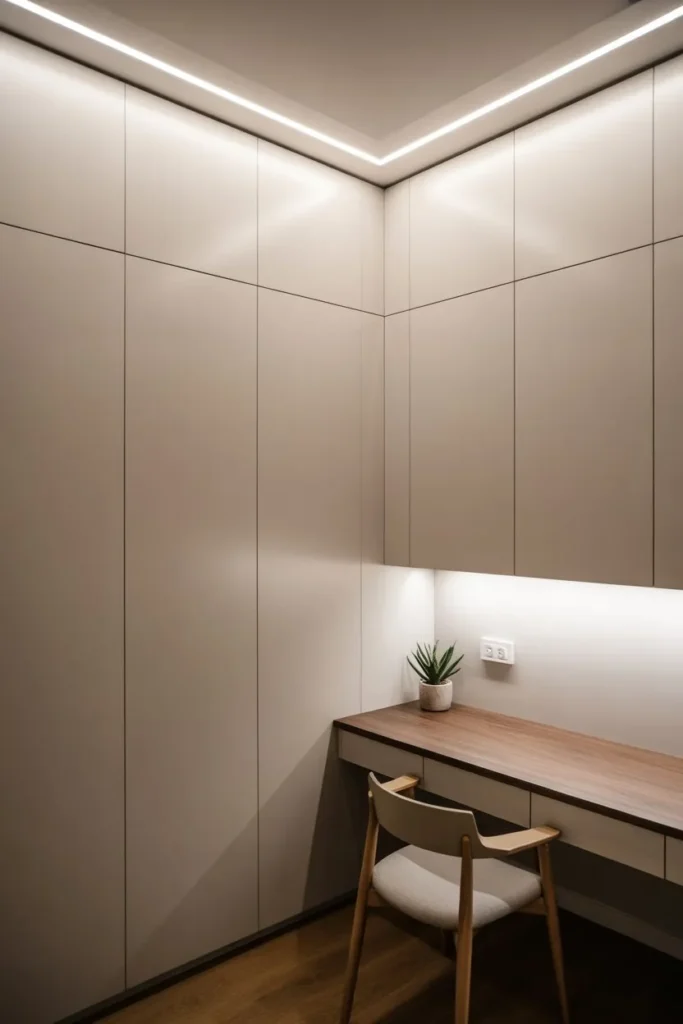
Visible clutter often leads to mental overload. Using closed cabinets or concealed storage keeps the workspace visually clean while still holding all necessary items.
This setup allows you to maintain a minimal desk without sacrificing functionality. It’s especially useful for keeping rarely used items out of sight while ensuring the room feels calm and organized.
13. Study Room with Controlled Personalization
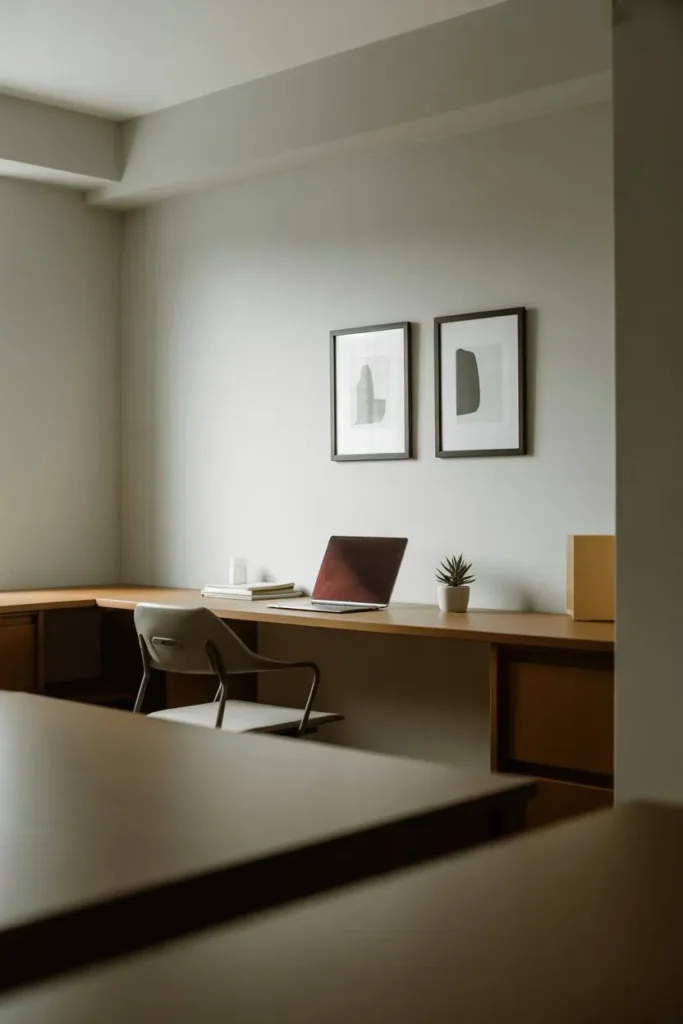
Personal touches can make a study space more comfortable, but too much decor can become distracting. The key is controlled personalization—adding a few meaningful items without overcrowding the space.
A plant, a simple frame, or one decorative object is enough to add character while maintaining focus. This balance ensures the room feels personal yet still supports productivity.
14. Study Room with Focus-Oriented Seating Position
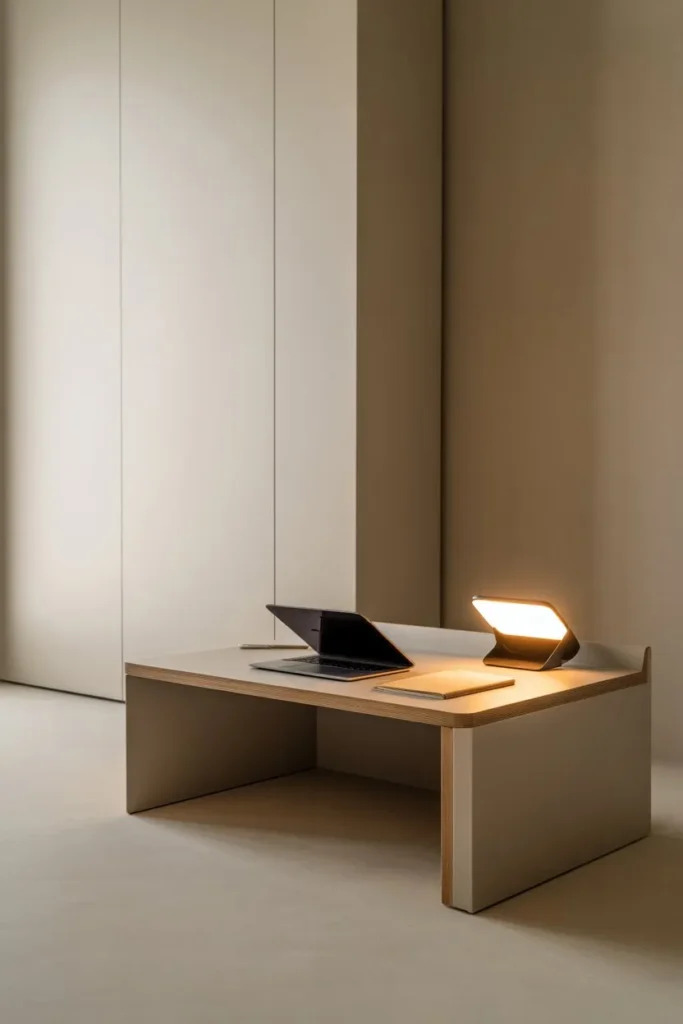
Where you face while studying matters. Facing a clean wall or a minimal setup reduces external distractions and helps maintain focus.
Avoid placing the desk directly toward busy areas like doors or high-traffic zones. A controlled visual environment allows your attention to stay on the task, improving concentration and efficiency.
15. Study Room with Consistent Organization System
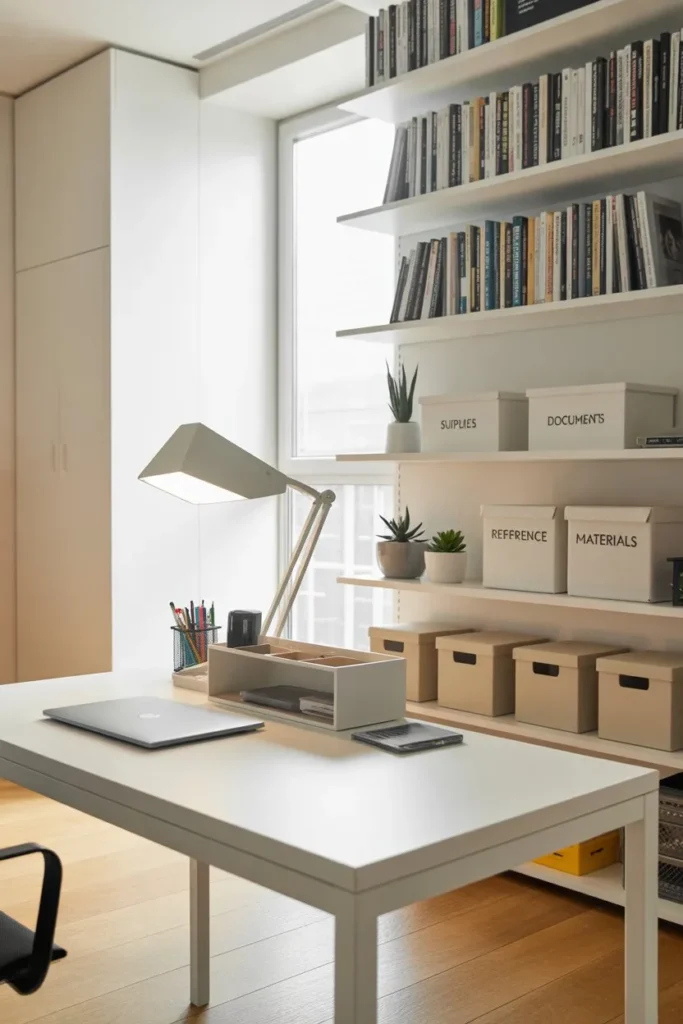
Consistency is what keeps a study room functional over time. Creating a simple system—where every item has a designated place—ensures the space remains organized even with daily use.
Labeling, grouping similar items, and maintaining routine placement reduces time spent reorganizing. This helps keep the environment stable and predictable, which supports long-term productivity.
16. Study Room with Time-Based Lighting Adjustment,
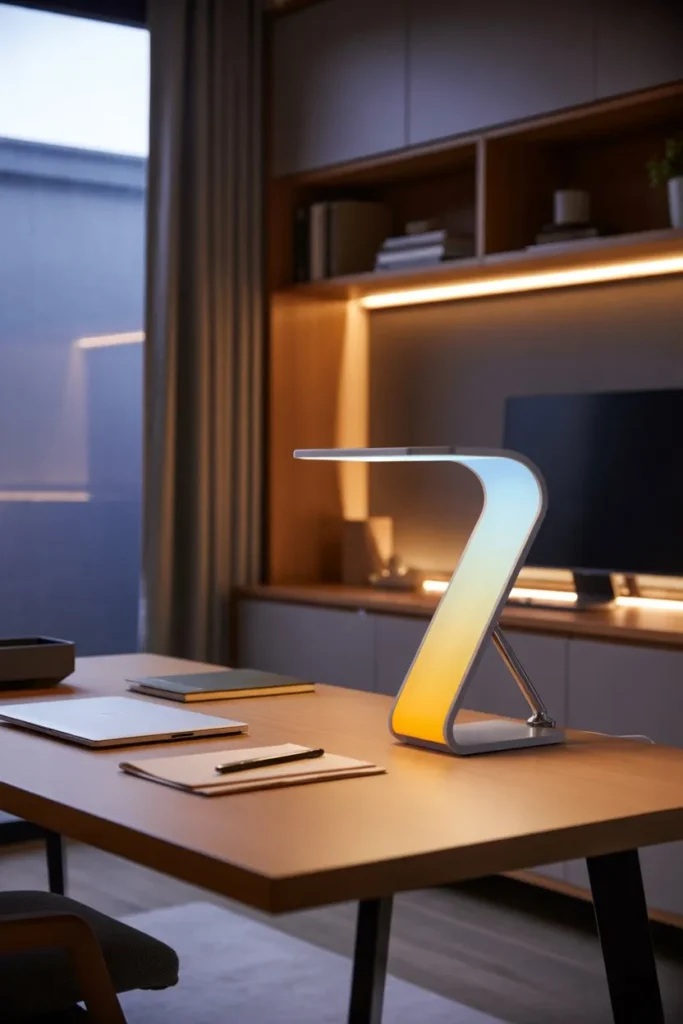
A highly effective study setup adapts to different times of the day. During focused work sessions, cooler light improves alertness and concentration. In the evening, switching to warmer tones reduces eye strain and helps maintain comfort.
Using adjustable lighting—either through smart bulbs or layered lamps—allows the environment to support your natural energy levels. This not only improves productivity but also prevents fatigue during long study hours, making the space more sustainable for daily use.
17. Fully Optimized Study Room Setup
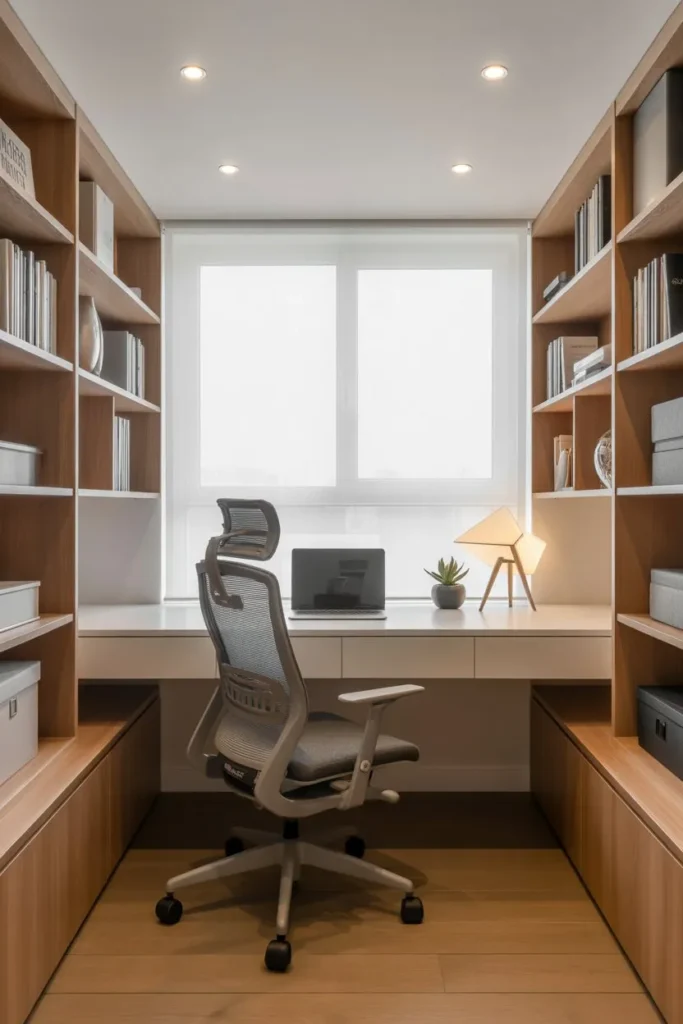
The most effective study room setup combines all essential elements into one cohesive system. The desk is positioned for focus, lighting is layered for comfort, storage is organized, and distractions are minimized.
Each part of the room should support a specific function—nothing is random or unnecessary. When everything is aligned, the space naturally encourages productivity and consistency. This is what turns a simple room into a focused and efficient environment for long-term use.
Conclusion
The best study room setup ideas focus on clarity, organization, and comfort. By combining smart layout choices, proper lighting, and efficient storage, you can create a space that supports consistent productivity. Small adjustments, like reducing clutter or improving ergonomics, can have a big impact over time. With the right setup, your study room becomes a focused environment that helps you work better and stay organized every day.