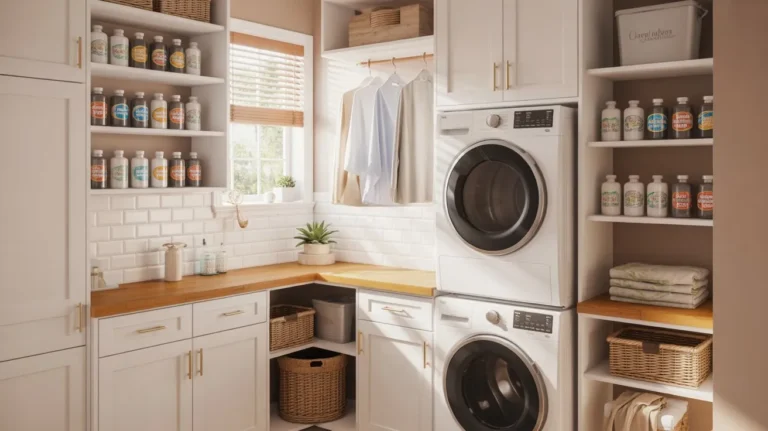
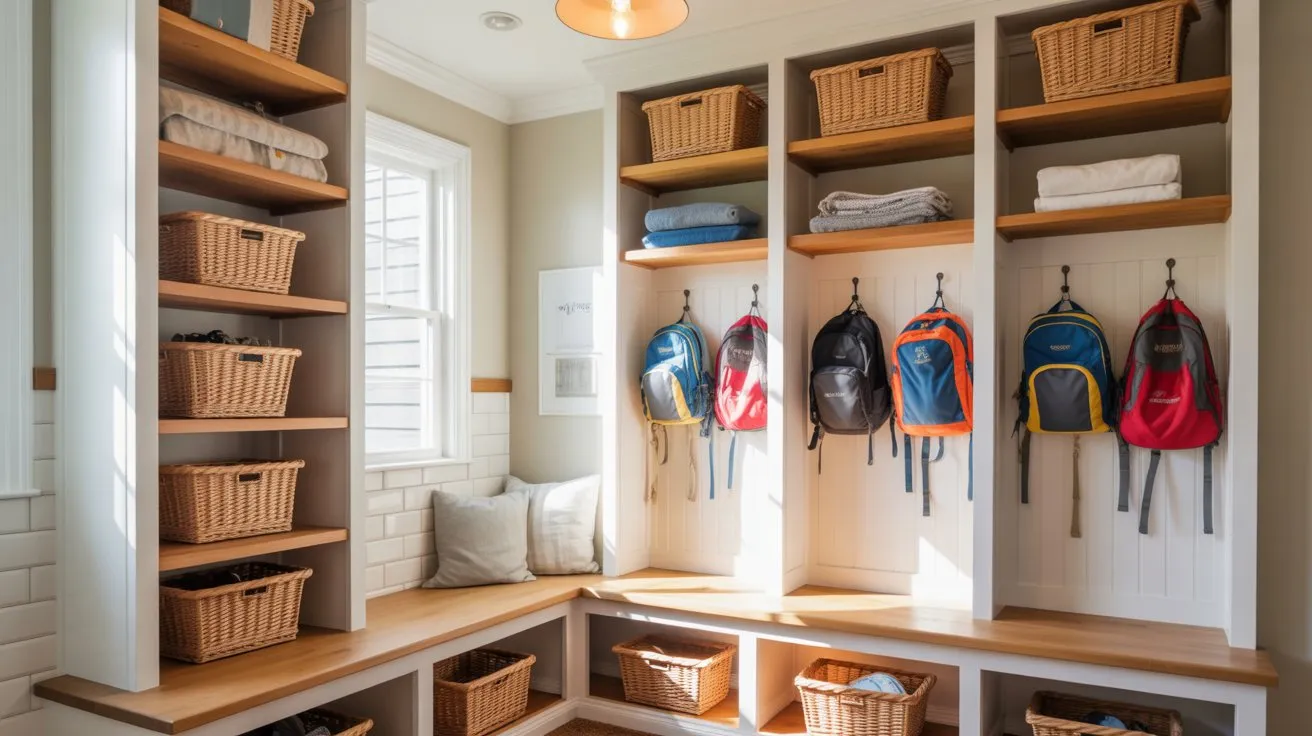
Mudroom cubbies ideas are essential for creating an entryway that stays organized and easy to manage every day. Without a proper system, shoes, bags, and daily essentials can quickly turn into clutter. The right cubby design helps structure the space, improve workflow, and make routines more efficient. Whether you have a small entryway or a large mudroom, these ideas focus on practical storage solutions that keep everything in place while maintaining a clean and functional layout.
1. Built-In Floor-to-Ceiling Mudroom Cubbies
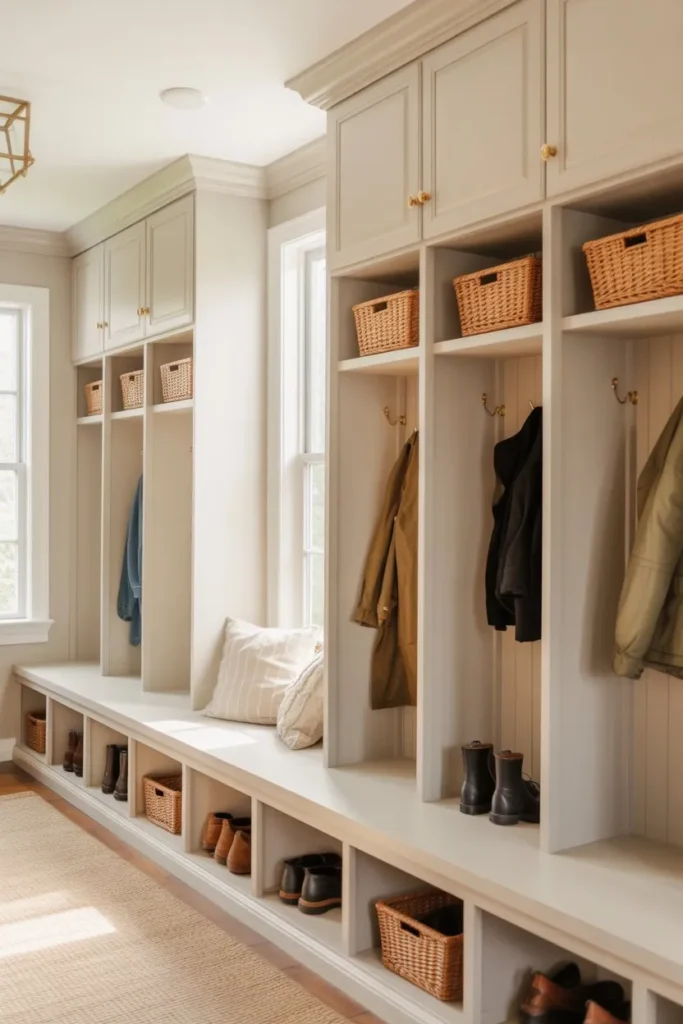
Floor-to-ceiling cubbies maximize vertical storage and create a highly structured entryway. Each family member can have a dedicated section for shoes, bags, and daily essentials, reducing clutter from spreading into the home.
This setup works especially well in busy households where organization needs to be consistent. Upper cubbies can store seasonal items, while lower sections remain easily accessible for everyday use. The result is a clean, efficient system that supports daily routines without constant rearranging.
2. Mudroom Cubbies with Bench Seating Integration
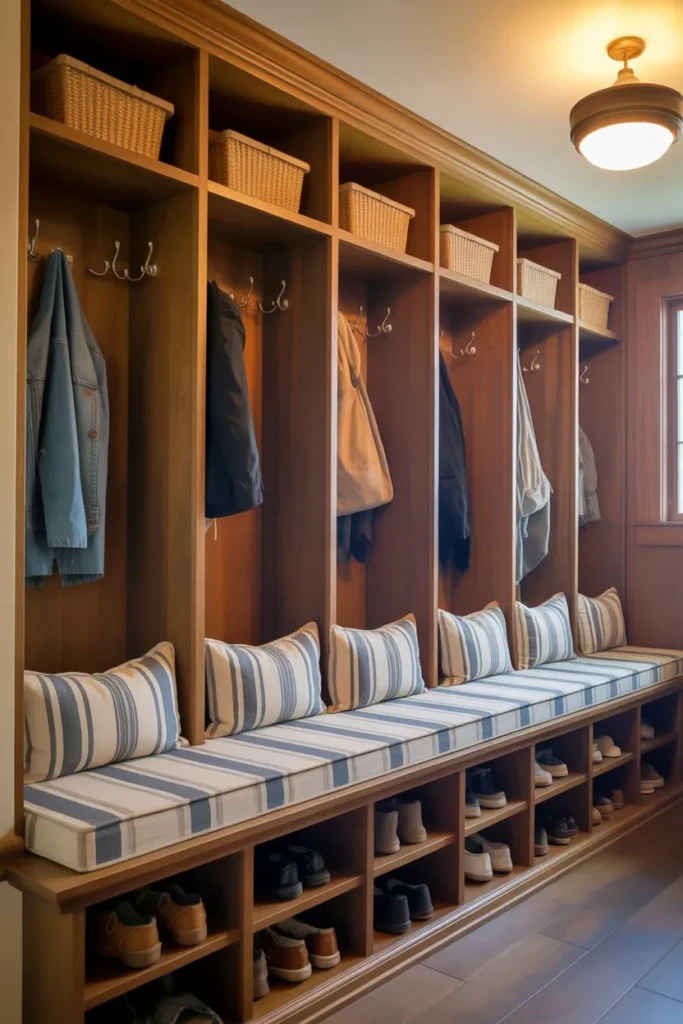
Combining cubbies with a built-in bench adds both function and comfort. The bench creates a natural spot for putting on or removing shoes, while the cubbies above and below keep everything organized.
This layout improves flow by keeping all entryway activities in one place. It’s especially useful for families with kids, as it encourages a routine where items are stored immediately upon entering the home.
3. Open Cubbies with Woven Basket Storage
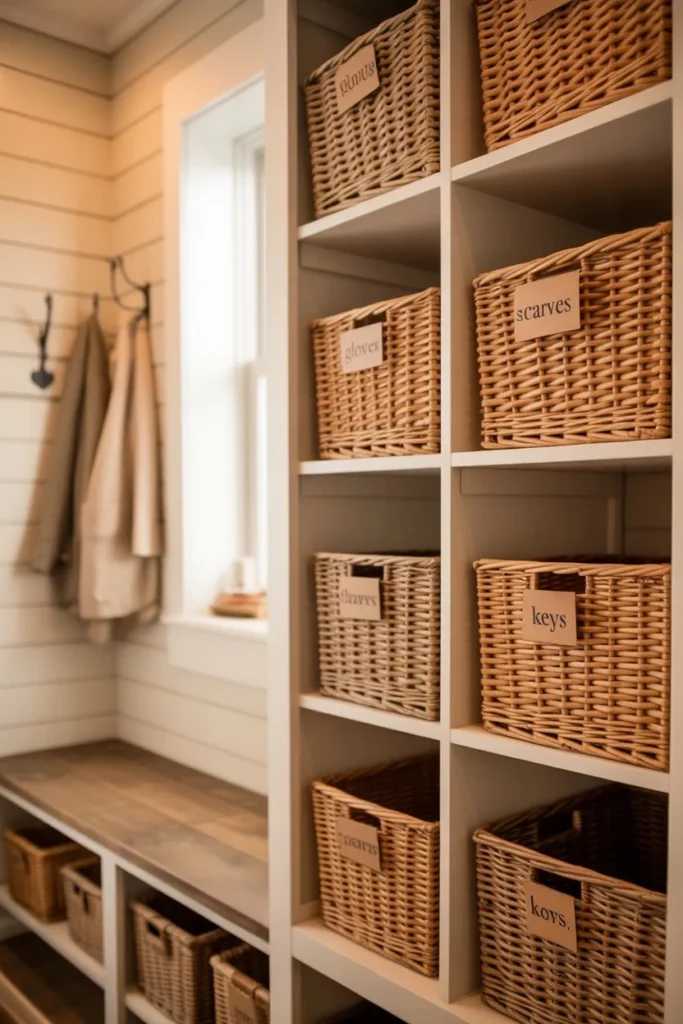
Open cubbies paired with baskets offer a flexible and visually clean storage solution. Baskets help contain smaller items while keeping the overall look organized and cohesive.
This approach allows quick access to essentials without the need for doors or drawers. It works well in both small and large mudrooms, providing a balance between accessibility and neatness.
4. Vertical Narrow Cubbies for Small Spaces
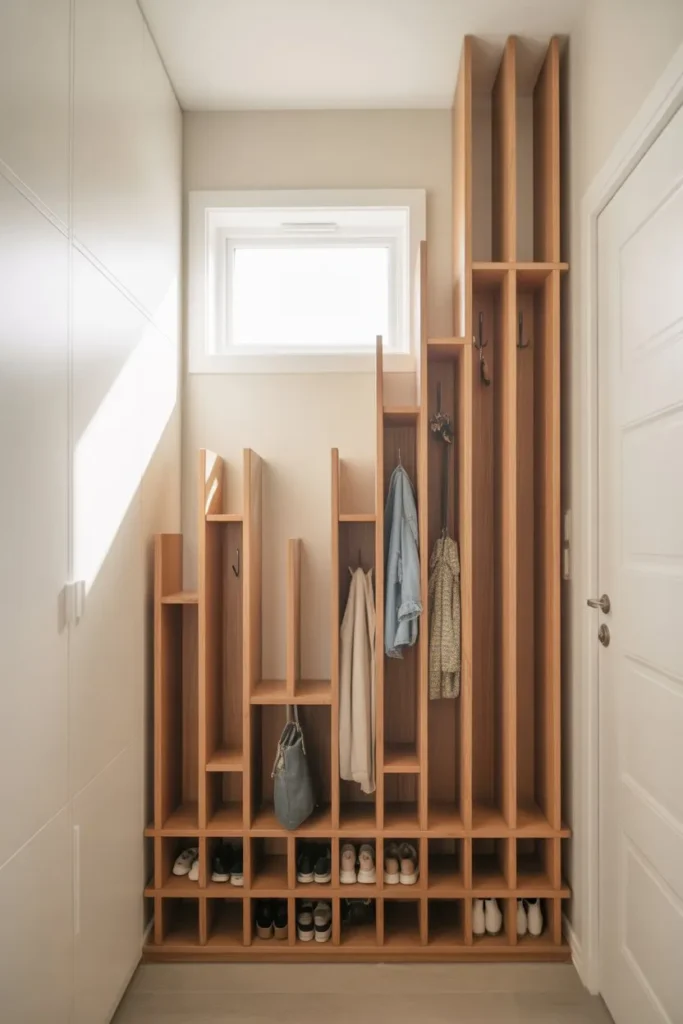
In compact entryways, vertical cubbies make the most of limited width. By stacking storage upward, you preserve floor space while still providing enough room for organization.
This layout is ideal for apartments or narrow hallways where traditional wide units won’t fit. Keeping items organized vertically ensures the space remains functional without feeling overcrowded.
5. Mudroom Cubbies with Individual Family Sections
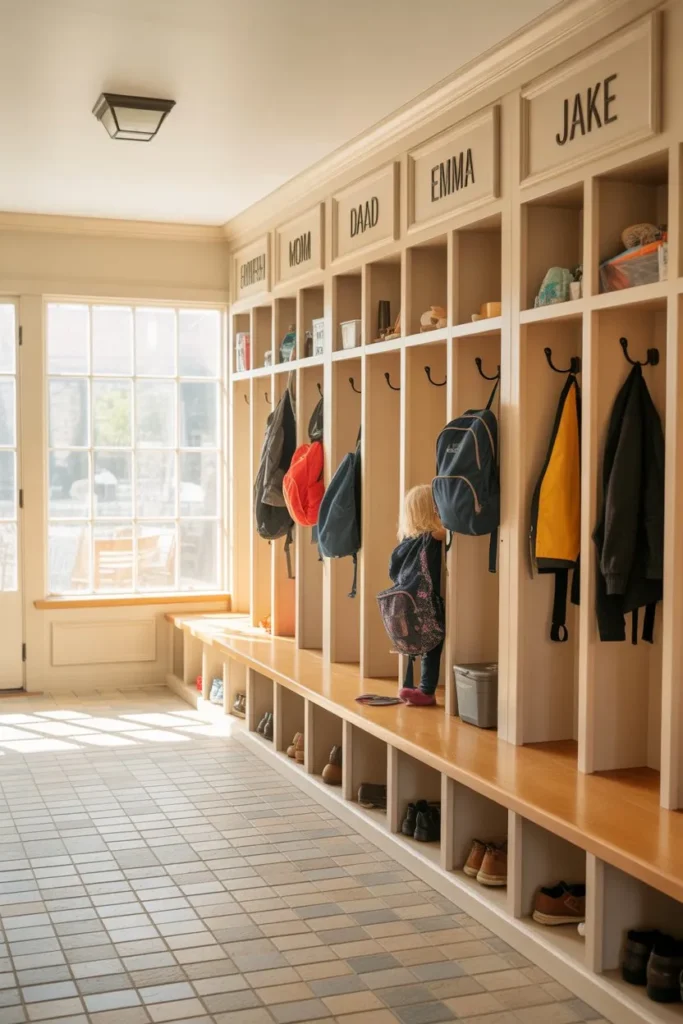
Assigning individual cubbies to each family member is one of the most effective ways to maintain order. Everyone has a designated place for their belongings, reducing confusion and clutter.
This system encourages consistency, especially in busy households. It also makes it easier to keep track of items, as everything has a clearly defined location.
6. Mudroom Cubbies with Hooks and Hanging Space
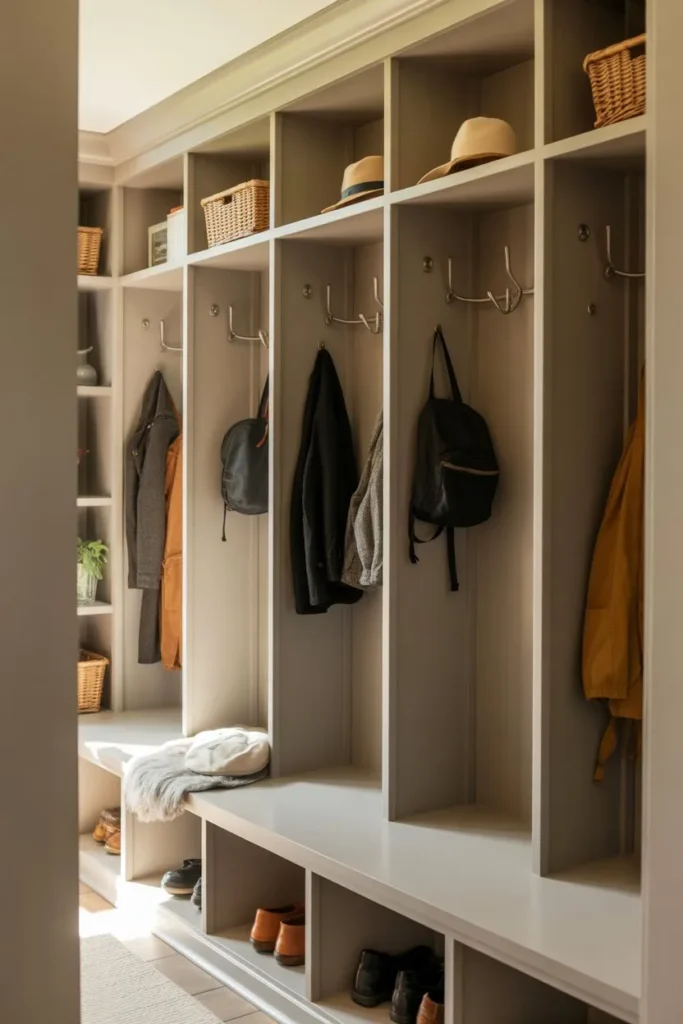
Adding hooks above cubbies increases functionality by providing space for coats, bags, and frequently used items. This keeps bulky items off the floor and within easy reach.
Proper spacing between hooks ensures items don’t overlap, maintaining a clean look. This setup supports quick transitions in and out of the house, making it highly practical.
7. Mudroom Cubbies with Closed Storage Mix
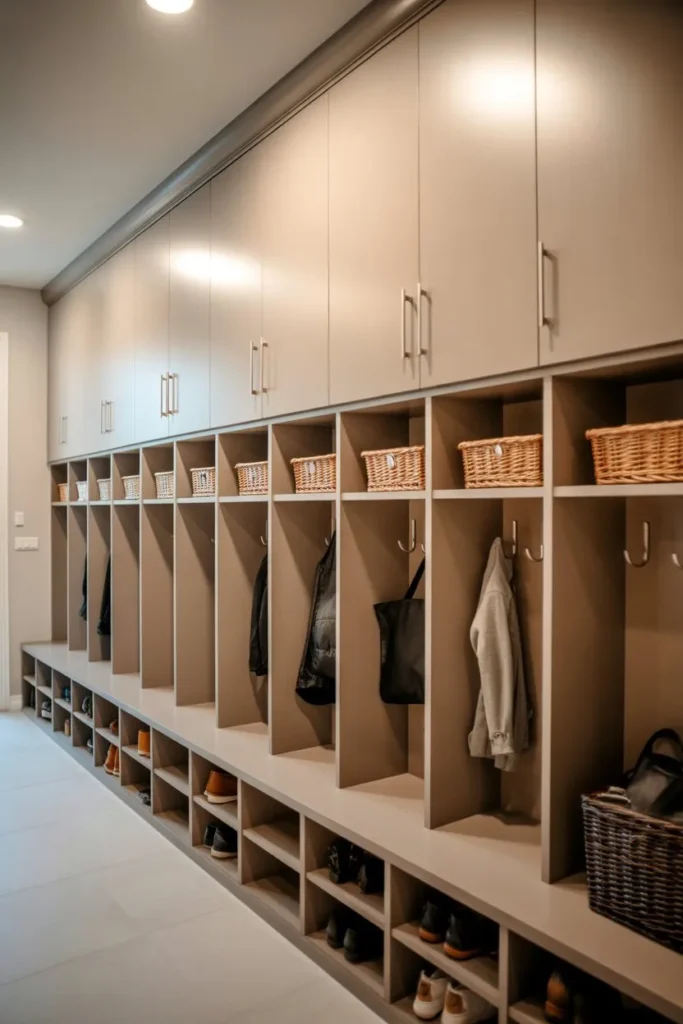
Combining open cubbies with closed cabinets creates a balanced storage system. Open sections keep daily essentials accessible, while closed compartments hide less attractive or seasonal items.
This approach helps maintain a tidy appearance without sacrificing functionality. It’s ideal for those who want both convenience and a clean visual layout.
8. Mudroom Cubbies with Shoe Drawer System
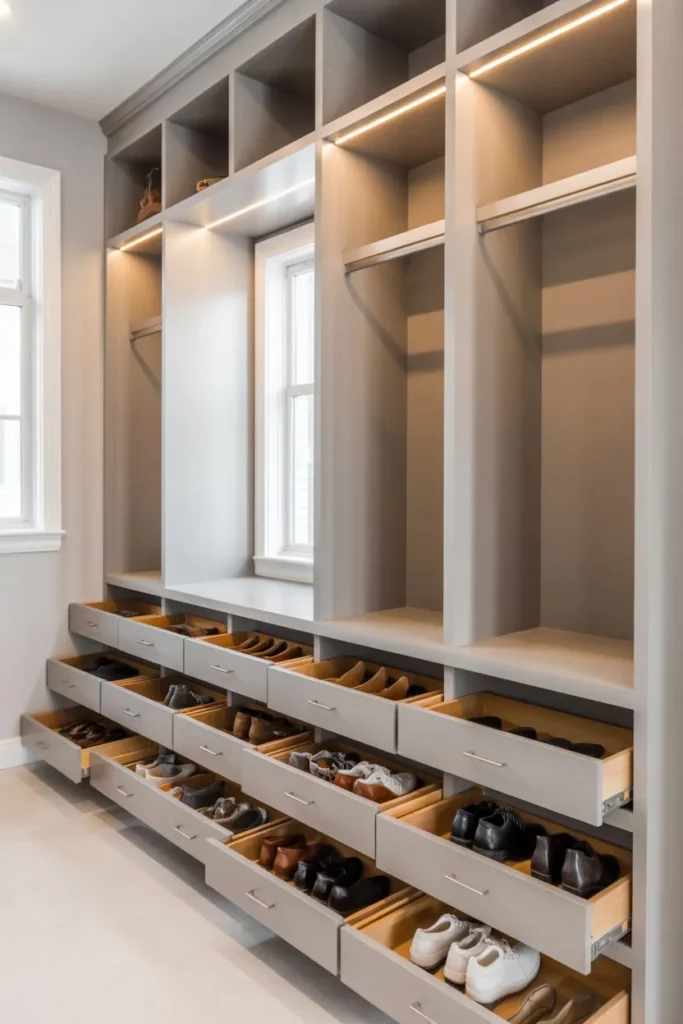
Integrating pull-out shoe drawers into cubbies keeps footwear hidden while still easily accessible. Unlike open shoe racks, drawers prevent visual clutter and protect shoes from dust, making the space look cleaner overall.
This setup works best when drawers are divided internally, allowing pairs to stay organized instead of piling up. Placing them at the lower level keeps heavier, frequently used items within easy reach, improving daily usability without disrupting the overall layout.
9. Mudroom Cubbies with Overhead Seasonal Storage
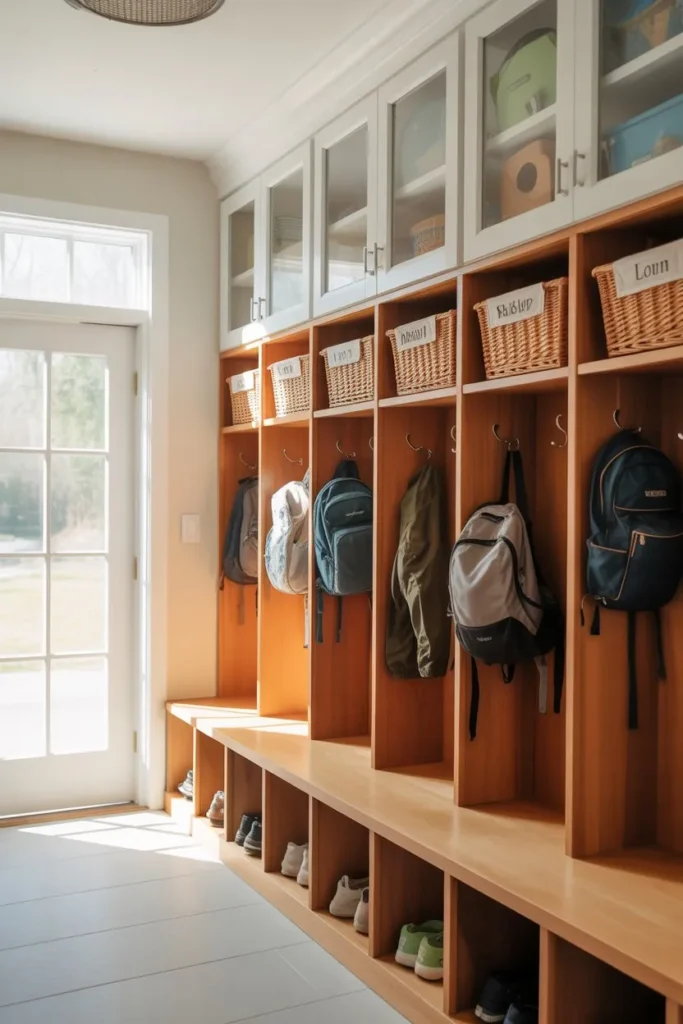
Using the space above cubbies for seasonal storage helps keep the main area uncluttered. Items like winter gear, extra bags, or rarely used accessories can be stored out of the way but still within reach when needed.
This layered storage approach ensures that everyday essentials remain accessible while less-used items don’t interfere with daily routines. It’s a simple way to maintain long-term organization without constantly rearranging the space.
10. Mudroom Cubbies with Durable Material Finishes
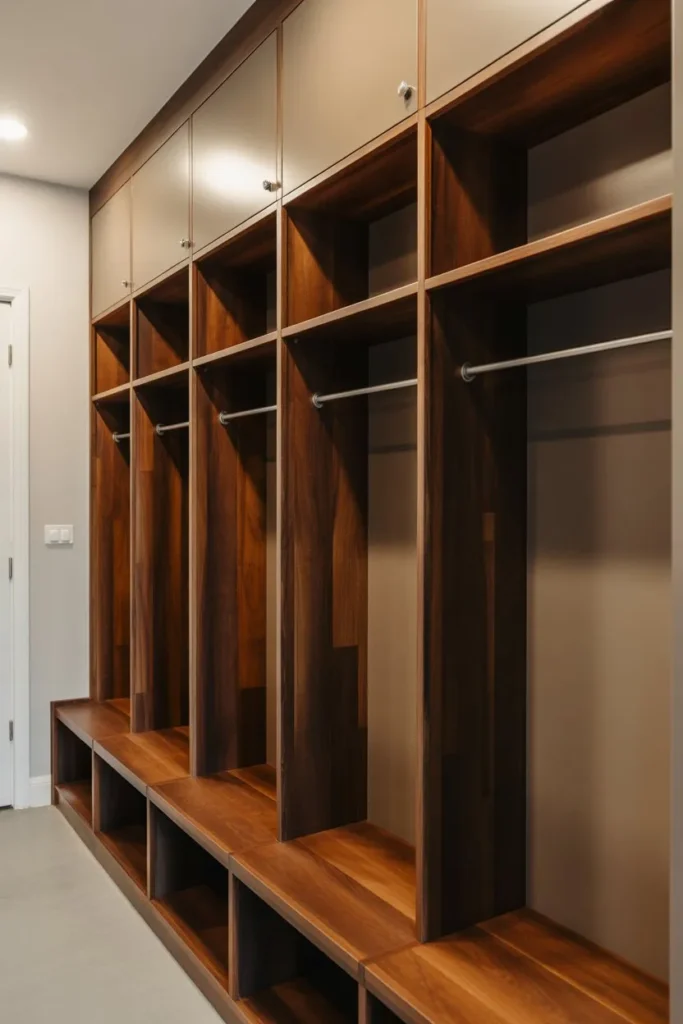
Durability is often overlooked, but it’s critical in high-traffic mudrooms. Choosing materials that resist scratches, moisture, and daily wear ensures the cubbies maintain their appearance over time.
Finishes like laminate, sealed wood, or matte surfaces are easier to clean and maintain. This is especially important for families, where mudroom areas are exposed to constant use. A durable setup reduces maintenance effort while keeping the space looking organized.
11. Mudroom Cubbies with Integrated Lighting
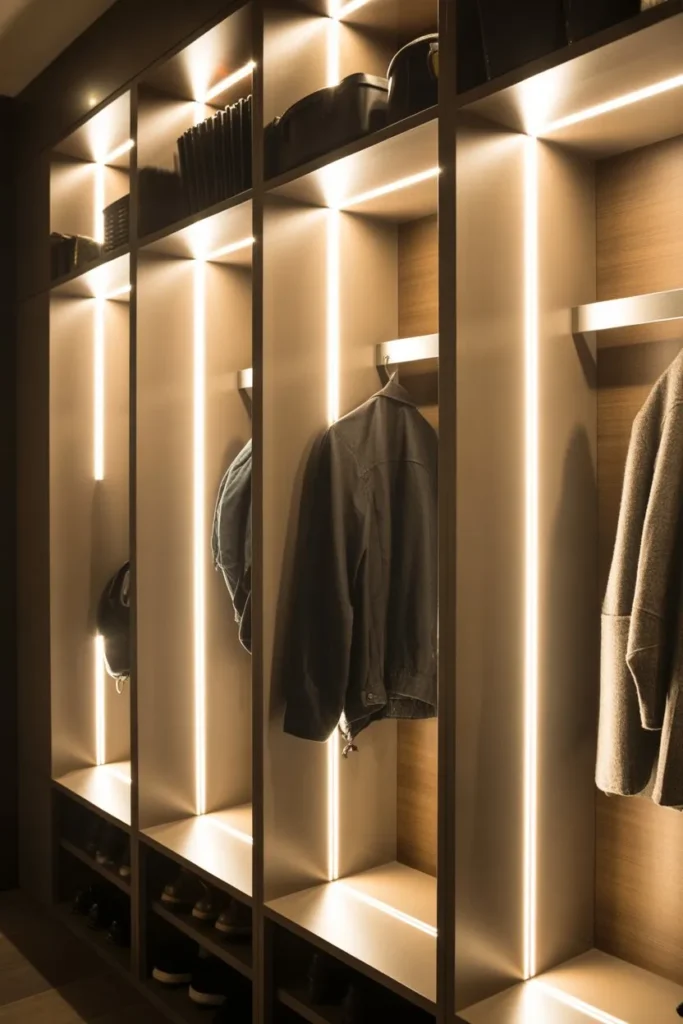
Adding lighting inside or above cubbies improves both functionality and aesthetics. It makes it easier to locate items, especially in low-light conditions, while also highlighting the organization of the space.
Soft LED lighting creates a warm and inviting entryway, turning a purely functional area into something visually appealing. This small upgrade can significantly enhance the overall experience of using the space.
12. Mudroom Cubbies with Labeling System
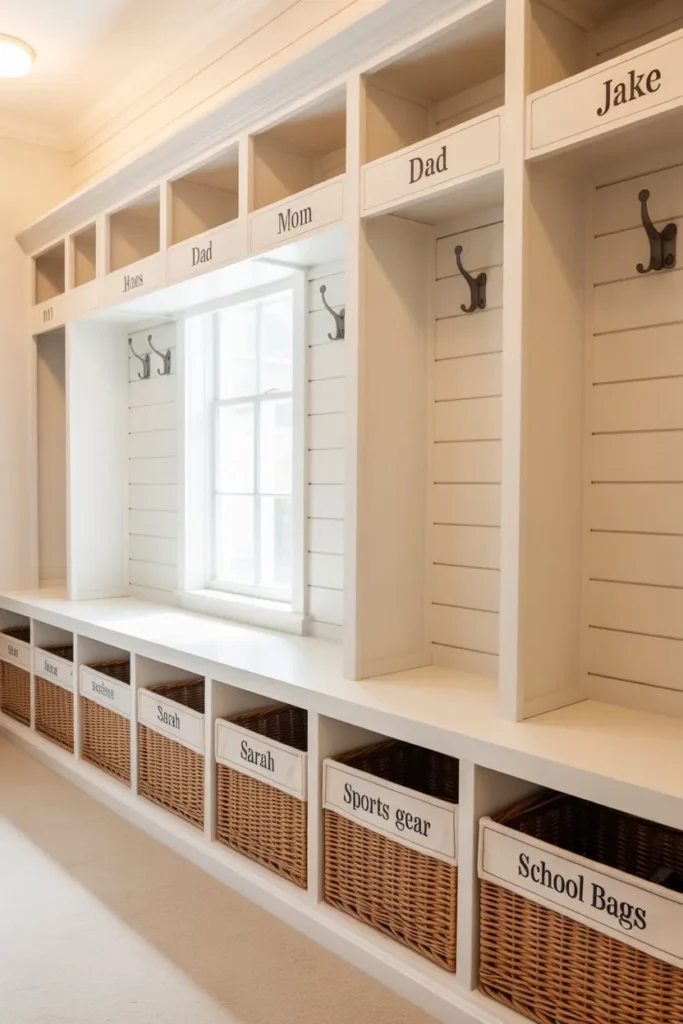
Labeling cubbies or baskets helps maintain order over time, especially in shared spaces. It removes guesswork and encourages everyone to return items to their designated spots.
This system is particularly useful for families with children, as it simplifies organization and builds consistent habits. It ensures the space stays tidy without constant supervision or effort.
13. Mudroom Cubbies with Corner Utilization
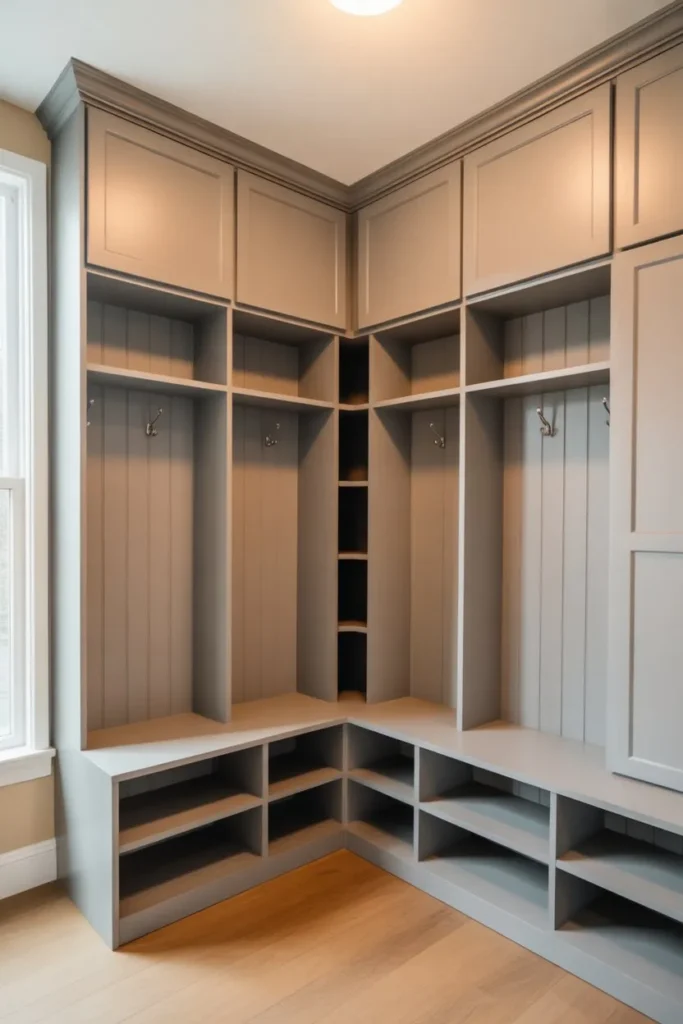
Corners are often underutilized, but incorporating cubbies into these areas can significantly increase storage capacity. Custom corner units or angled shelves help make use of every inch.
This approach is especially valuable in smaller entryways where maximizing space is essential. It ensures no area is wasted while maintaining a cohesive and functional layout.
14. Mudroom Cubbies with Multi-Height Sections
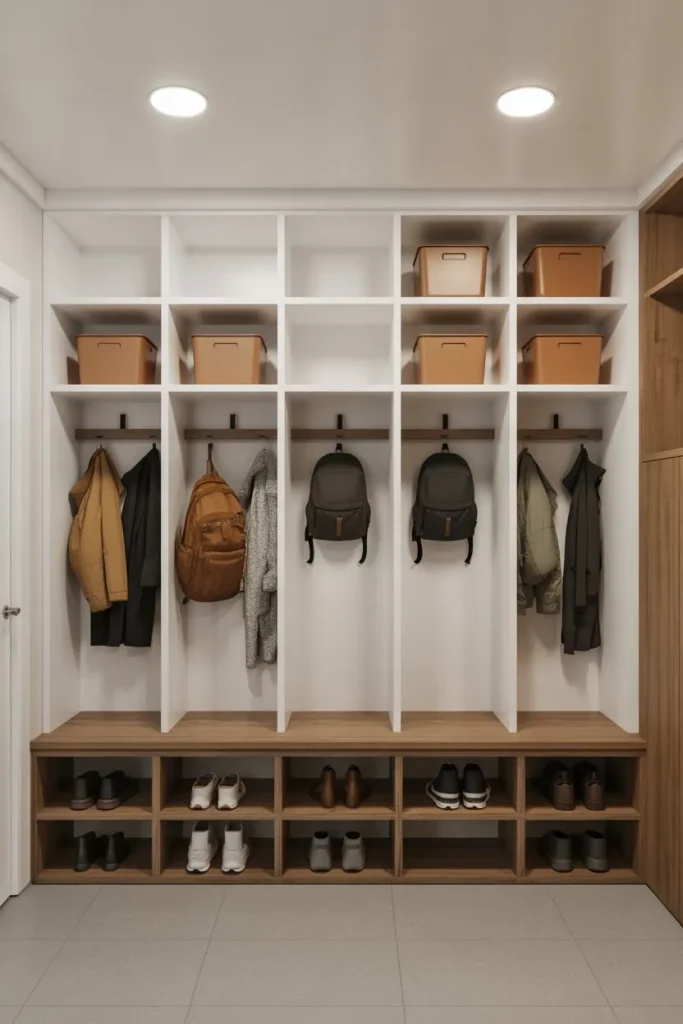
Designing cubbies with varying heights allows you to store different types of items more efficiently. Taller sections can accommodate coats and bags, while shorter ones work for shoes or baskets.
This flexibility ensures the storage system adapts to real needs rather than forcing everything into uniform spaces. It improves usability and keeps the layout organized without feeling restrictive.
15. Mudroom Cubbies with Pull-Out Bench Storage
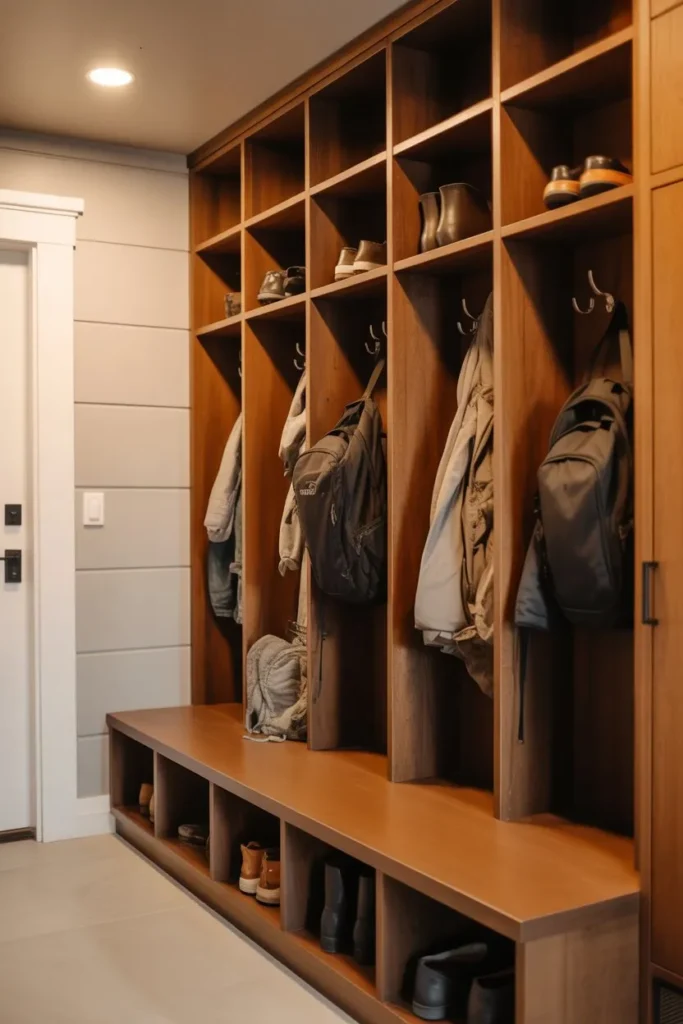
A pull-out storage bench combines seating with hidden storage, making it highly efficient for everyday use. Instead of leaving the space under the bench unused, drawers or compartments can store shoes, seasonal gear, or frequently used items.
This setup keeps clutter out of sight while still being easily accessible. It also improves daily flow—sit, remove shoes, and store them immediately without moving to another area. This small upgrade significantly improves both convenience and organization.
16. Mudroom Cubbies with Open + Closed Locker Style
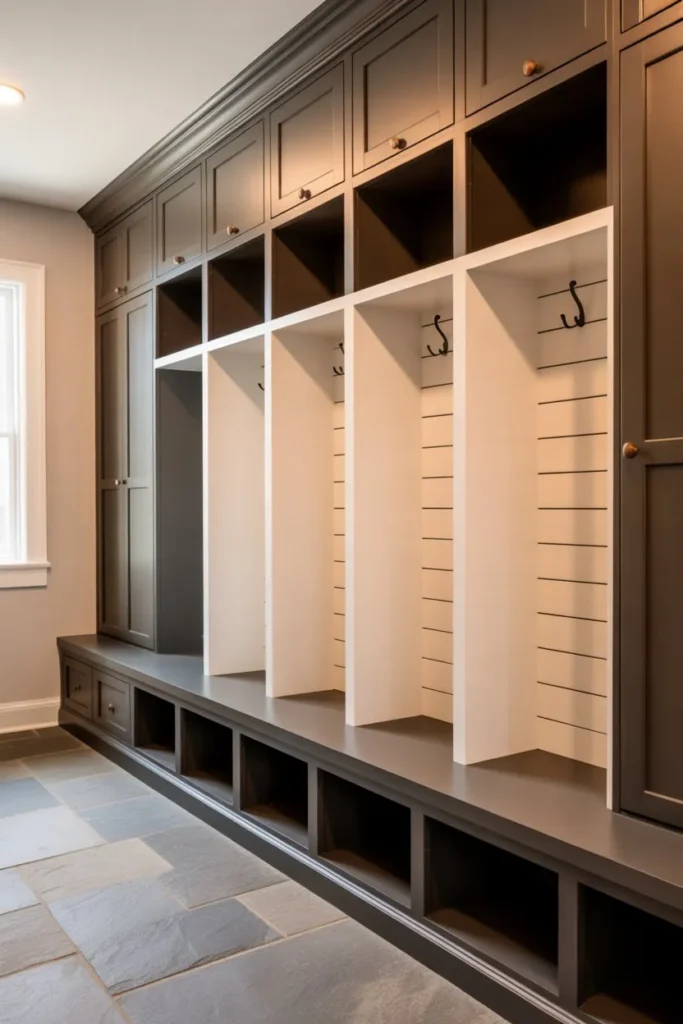
Locker-style cubbies create a structured and personal storage system for each user. Open sections allow quick access to daily items, while closed compartments provide privacy and hide clutter.
This layout works particularly well in family homes, where each person needs a dedicated space. It reduces overlap and confusion, ensuring the mudroom stays organized even with heavy daily use.
17. Mudroom Cubbies with Built-In Charging Station
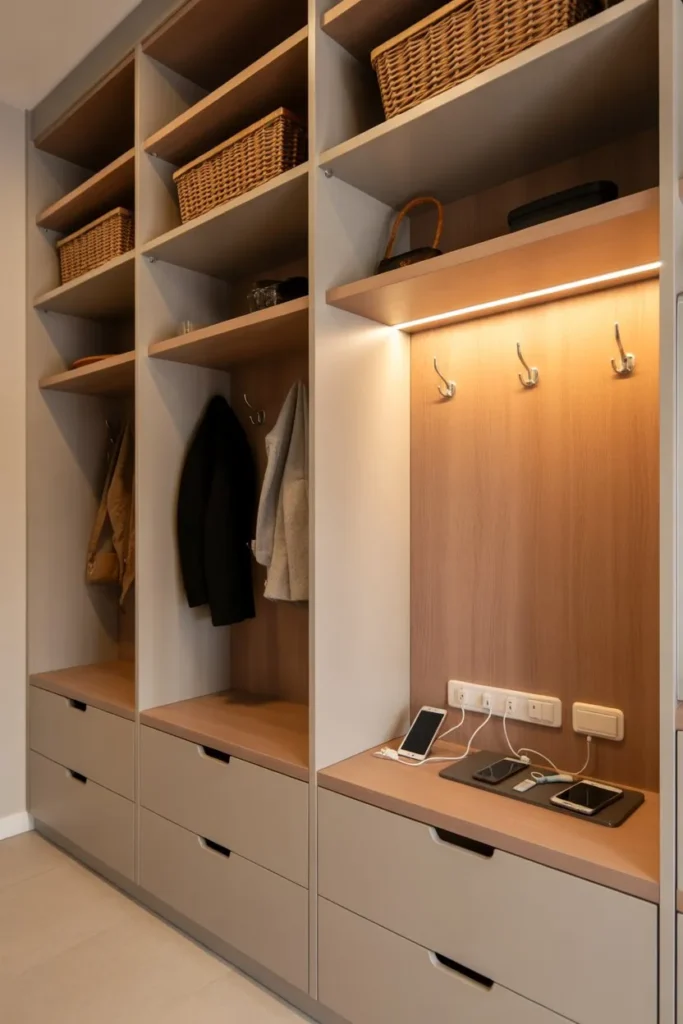
Integrating a charging station into cubbies adds a modern, practical layer to the space. Phones, tablets, or small devices can be charged in a designated area instead of being scattered around the house.
This setup supports daily routines by keeping essentials in one place. It also reduces clutter in other rooms, making the mudroom a central hub for both storage and organization.
18. Mudroom Cubbies with Ventilated Storage Design
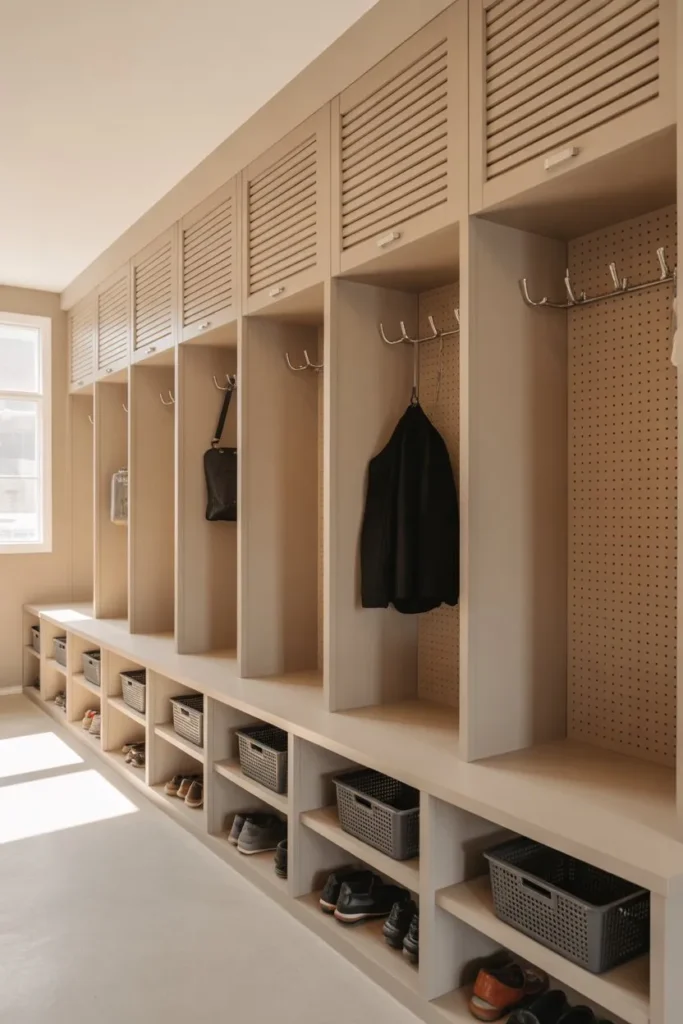
Ventilation is an important but often overlooked feature in mudroom cubbies. Shoes, coats, and bags can trap moisture, leading to odors if airflow is restricted.
Using open-back cubbies, slatted panels, or breathable materials allows air circulation, keeping the space fresh. This is especially useful in homes where mudrooms handle wet or outdoor gear regularly.
19. Mudroom Cubbies with Integrated Mirror Section
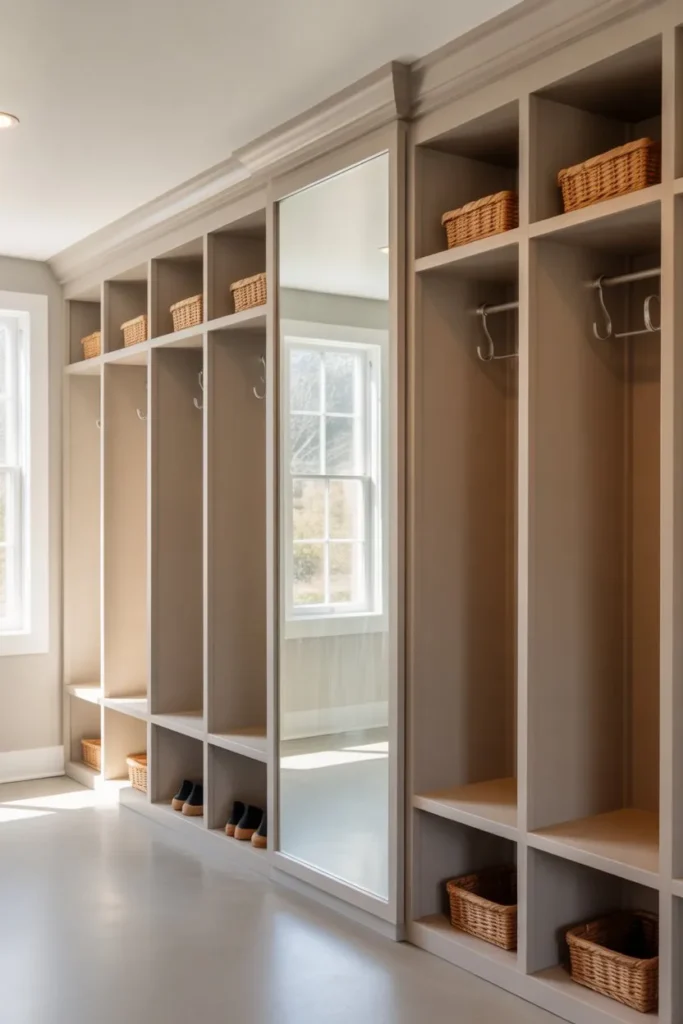
Adding a mirror to the cubby layout improves both functionality and perception of space. It allows for quick checks before leaving while also reflecting light, making the entryway feel larger.
Positioning the mirror near the exit ensures it becomes part of the natural flow. This small addition enhances usability without taking up extra space.
20. Mudroom Cubbies with Sliding Storage Panels
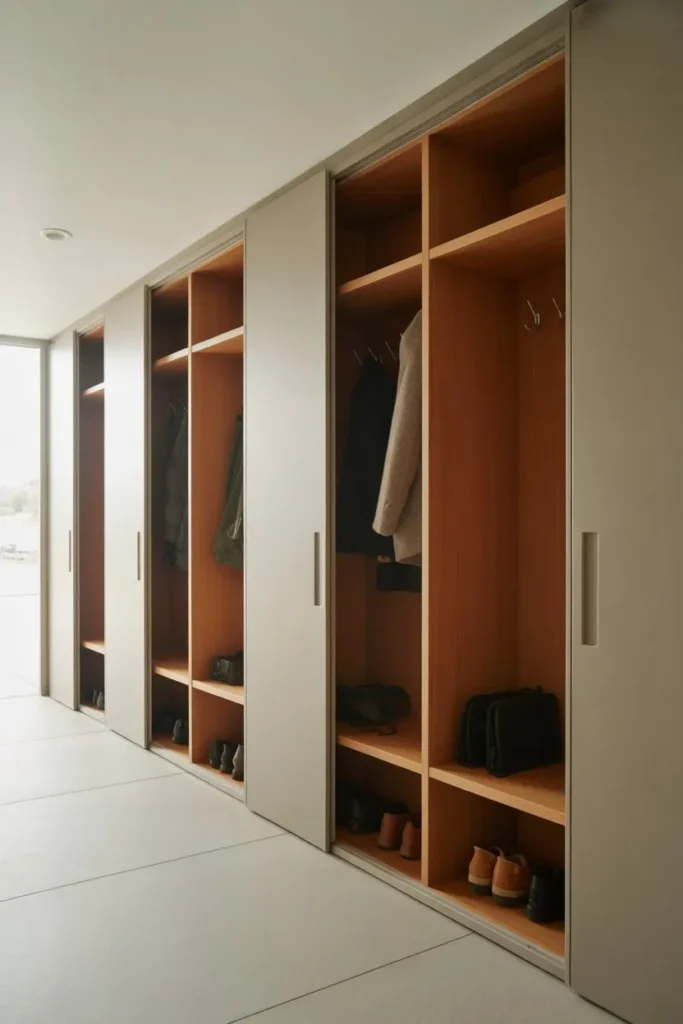
Sliding panels provide flexibility by allowing sections of the cubbies to be hidden or revealed as needed. Unlike traditional doors, they don’t require extra clearance, making them ideal for tight spaces.
This design keeps the entryway looking clean while still offering full access to storage. It’s particularly useful in modern homes where minimal aesthetics are important.
21. Mudroom Cubbies with Fully Optimized Layout System
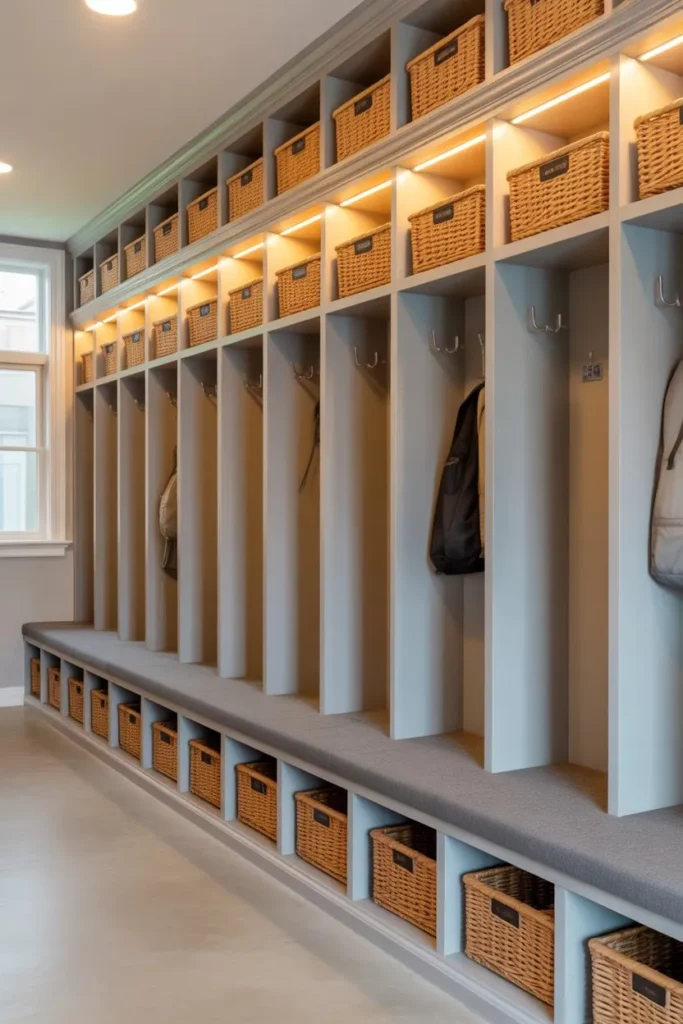
A fully optimized cubby system combines multiple elements—seating, hooks, storage, and smart layout—into one cohesive design. Each component is placed with intention, ensuring smooth daily use.
The goal is to create a space where everything has a designated place and can be accessed easily. When designed correctly, the mudroom becomes a highly efficient entryway that supports daily routines without creating clutter or confusion.
22. Mudroom Cubbies with Adjustable Shelf System
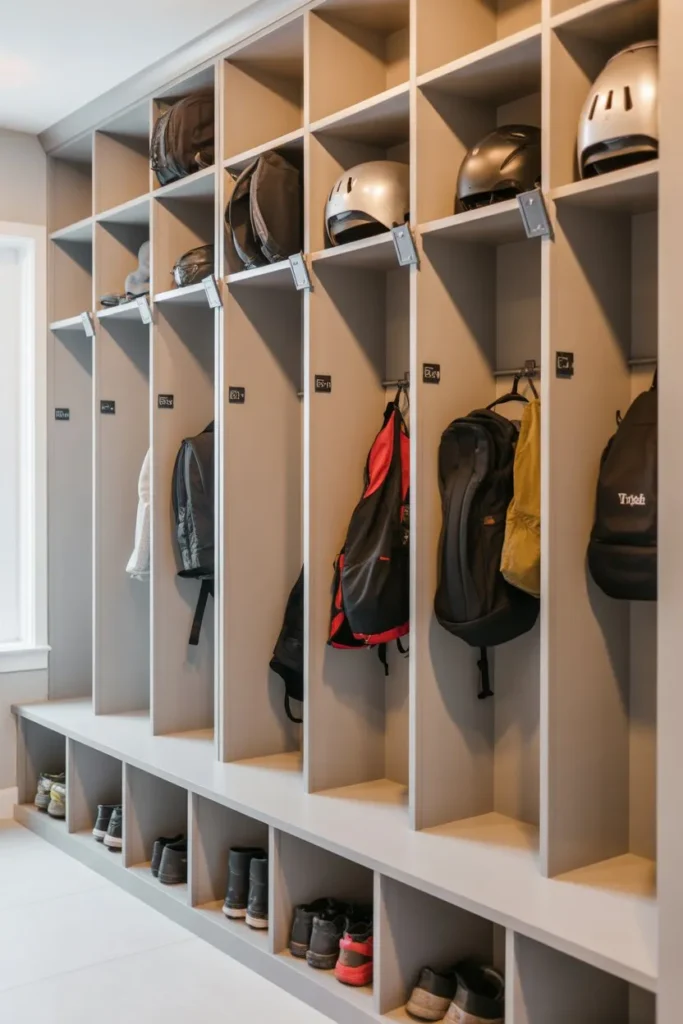
Adjustable shelving makes your cubby system adaptable instead of fixed. As storage needs change—kids grow, seasons shift, or routines evolve—you can easily reposition shelves to fit different items.
This flexibility prevents the system from becoming outdated or inefficient over time. It’s especially useful for families where storage needs are constantly changing, allowing the space to stay functional without requiring a full redesign.
23. Mudroom Cubbies with Drawer Dividers for Small Items
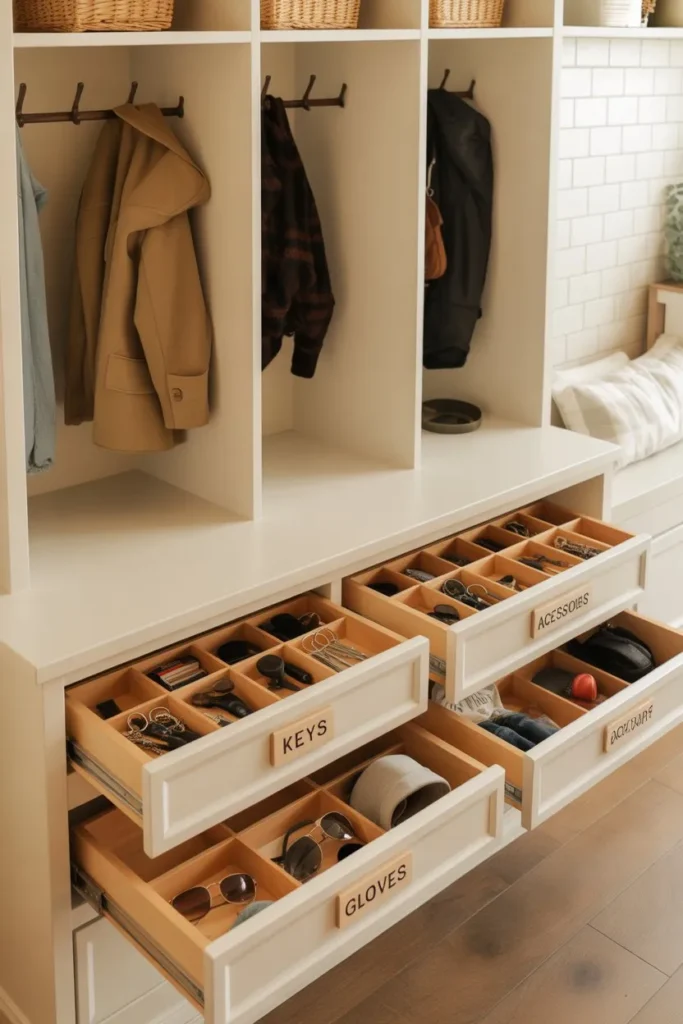
Small items like keys, gloves, or accessories often create clutter if not properly managed. Adding drawer dividers within cubbies ensures everything has a defined place, preventing items from piling up.
This setup improves daily efficiency—everything is easy to find and return. It also reduces visual mess, making the space feel more organized even during busy routines.
24. Mudroom Cubbies with High-Traffic Entry Layout Planning
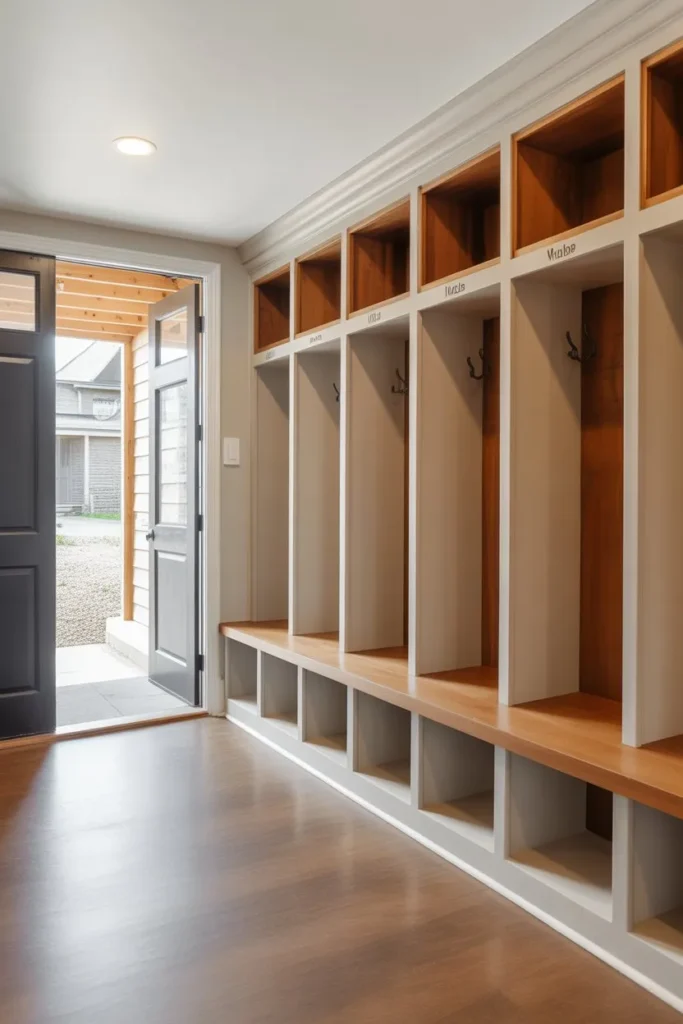
Placement is just as important as design. Positioning cubbies directly near the main entry ensures items are stored immediately upon entering, preventing clutter from spreading into other areas.
This layout supports natural movement—enter, store, and move on—without disruption. It’s especially important in busy households where multiple people use the space frequently.
25. Mudroom Cubbies with Color-Coded Organization System
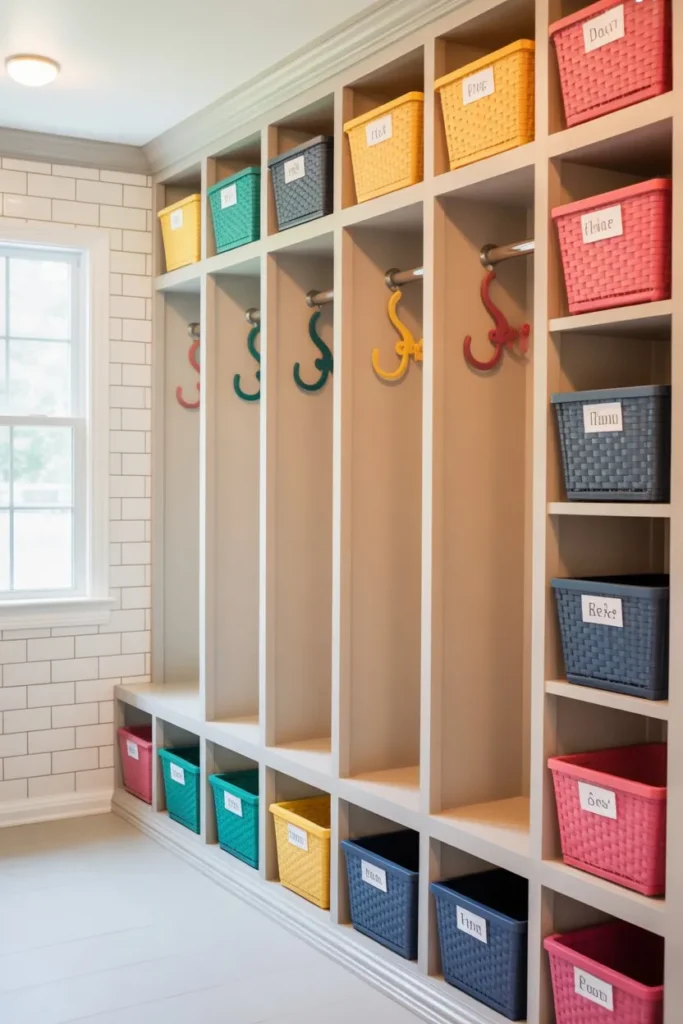
Color-coding is a simple but powerful way to maintain organization. Assigning colors to different family members or categories makes it easier to identify where items belong at a glance.
This system reduces confusion and speeds up daily routines. It’s particularly effective for families with children, as it creates a clear and easy-to-follow structure.
26. Mudroom Cubbies with Seasonal Rotation Strategy
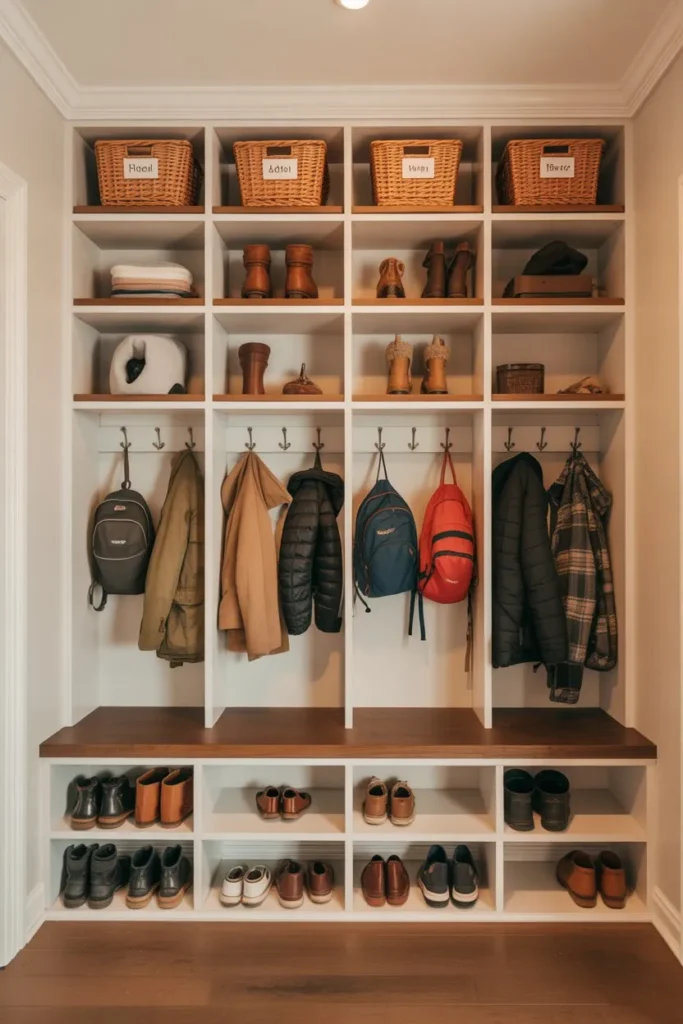
Designing cubbies with seasonal rotation in mind helps maintain long-term organization. Frequently used items should stay at eye or hand level, while seasonal gear is stored higher or in less accessible sections.
This approach keeps the space relevant throughout the year without constant reorganization. It also prevents overcrowding by ensuring only necessary items are within immediate reach.
27. Fully Integrated Mudroom Cubbies System
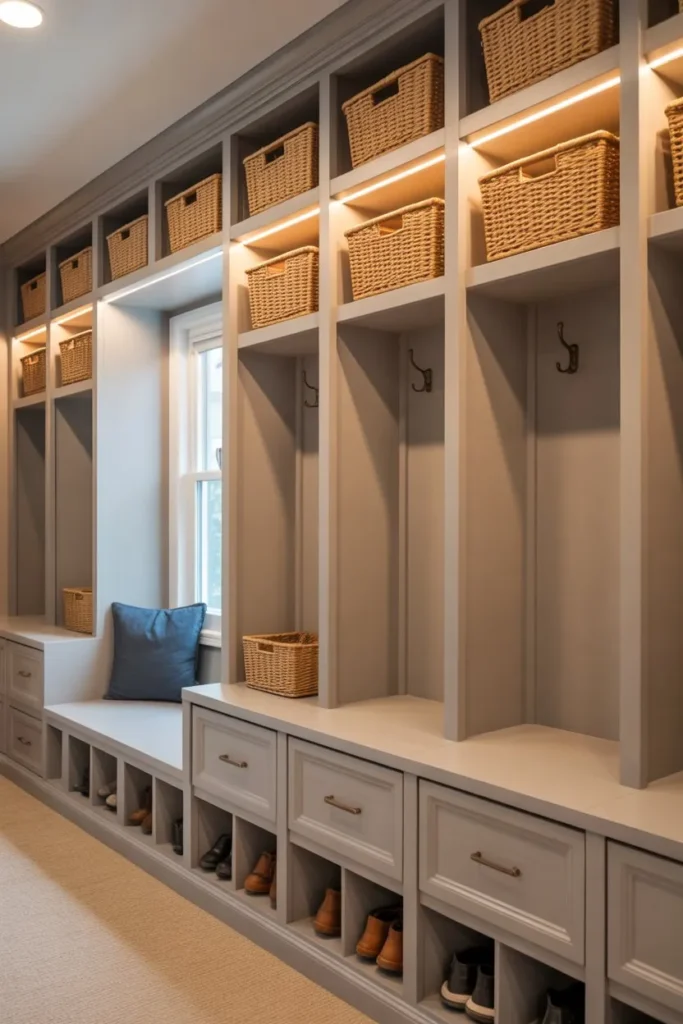
A fully integrated cubby system brings together all essential elements—seating, storage, hooks, lighting, and layout—into one seamless design. Every part serves a purpose, creating a highly efficient and organized entryway.
The success of this setup lies in balance. Storage is accessible but not cluttered, movement is smooth, and everything feels intentional. When designed properly, this system transforms the mudroom into a functional hub that supports daily life effortlessly.
Conclusion
The best mudroom cubbies ideas focus on organization, accessibility, and long-term usability. By combining smart storage solutions with thoughtful layout planning, you can create a space that supports daily routines without becoming cluttered. Small details, like labeling or adjustable storage, can make a big difference over time. With the right approach, your mudroom can become a highly efficient and organized entryway that keeps your home clean and stress-free.