12 French Bob Haircuts for Thin Fine Hair
Introduction
If your hair is thin and fine, you know the frustration: longer styles fall flat, heavy layers disappear, and volume seems to vanish by lunchtime. That is exactly why French bob haircuts for thin fine hair work so well — the short, jaw-skimming length removes weight, the blunt or softly textured ends create the illusion of thickness, and that effortless Parisian finish makes fine hair look intentional rather than limp. In the next few minutes, you will find 12 French bob ideas for every face shape, texture, and comfort level, from a classic chin-length cut to wavy, layered, and bang-paired versions. If you love short cuts that flatter fine hair, you will also enjoy these shaggy bob hairstyles for thin fine hair, which use a similar volume-building approach with a little more texture.
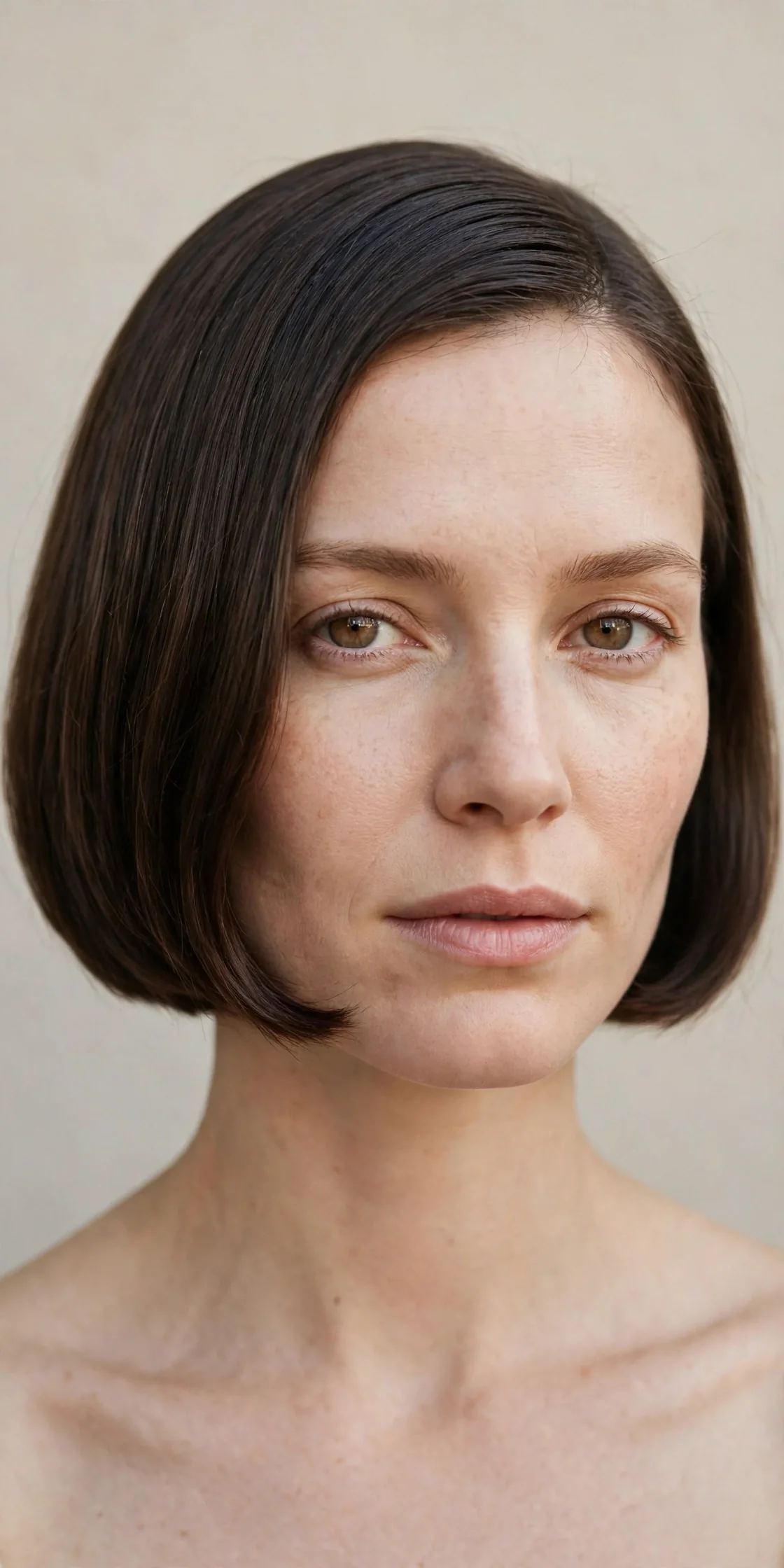
The Classic Chin-Length French Bob for Thin Fine Hair
The classic French bob ends right at the jawline or just below the chin, with a clean, blunt perimeter that makes fine hair look instantly denser. Because the ends all finish at the same length, light reflects evenly along the bottom edge, so your hair reads as thicker and healthier than a wispy, layered cut would. This version suits oval, heart, and long face shapes especially well, and it works beautifully on straight or slightly wavy fine hair. The short length also lifts the roots naturally, since there is less weight pulling your hair down.
- Blow-dry with a small round brush, lifting at the roots for volume.
- Apply a pea-sized amount of volumizing mousse to damp roots before drying.
- Tuck one side behind your ear to show off your jawline and earrings.
- Finish with a light texturizing spray rather than heavy serum or oil.
Ask your stylist for a blunt bob that sits at the jawline with no thinning or razoring through the ends, which can make fine hair look even thinner. At home, rough-dry your hair upside down until it is about eighty percent dry, then smooth the ends under with a round brush. A root-lifting spray and a cool shot from the dryer will help the volume last. Book a trim every six to eight weeks to keep that crisp edge, since even a little growth can soften the blunt line. As it grows out, the cut shifts gracefully into a longer bob, so you never face an awkward in-between stage.
French Bob with Soft Micro Layers
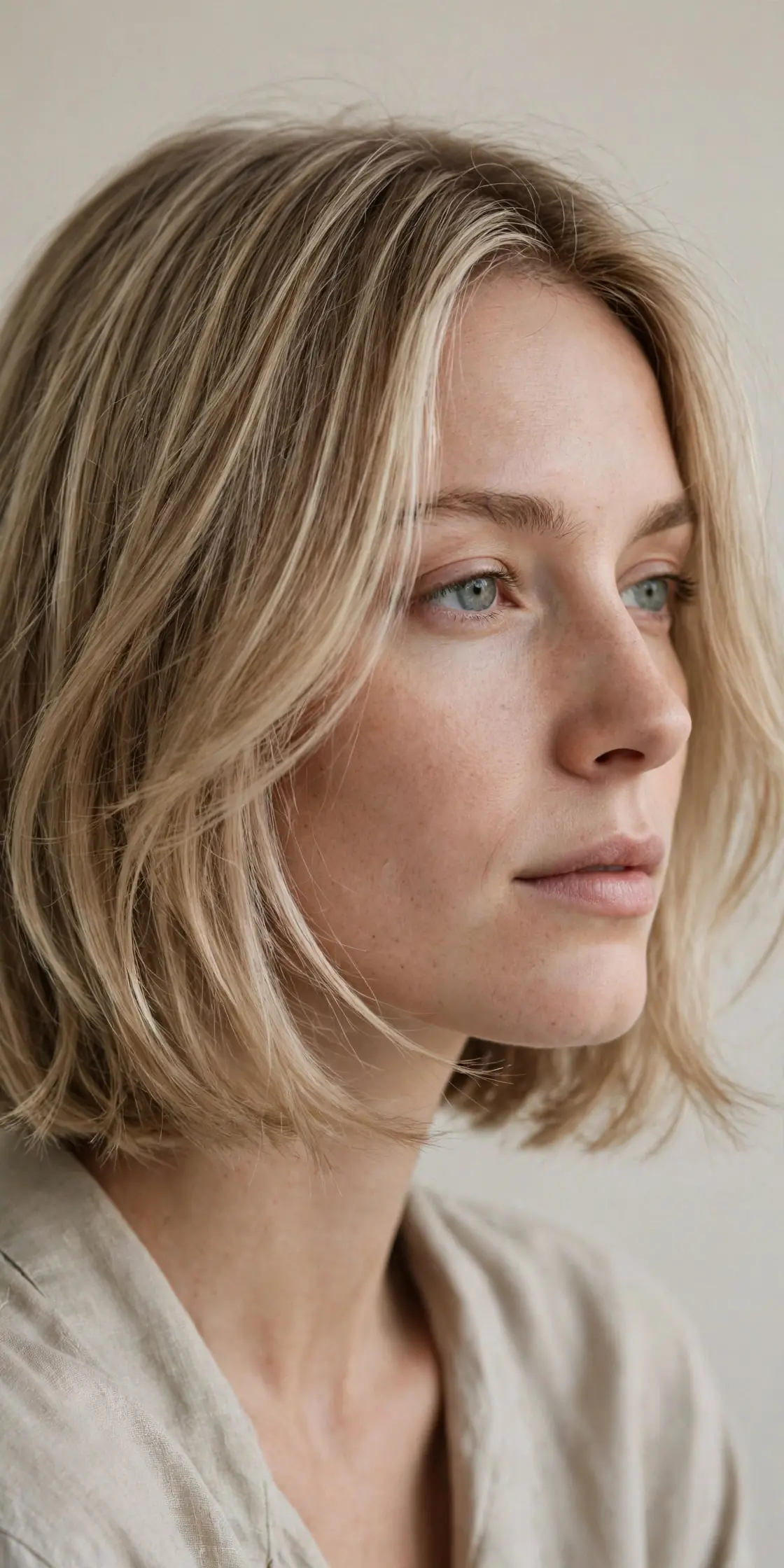
Soft micro layers are the secret weapon for fine hair that needs movement without losing density. Instead of long, visible layers that remove bulk, your stylist cuts very short, internal layers near the ends that let the hair bend and swing while the outer silhouette stays full. The result is a French bob that moves when you turn your head, with gentle separation that stops fine hair from clumping into a single flat sheet. This cut flatters round and square faces because the subtle movement softens strong angles, and it is ideal if your hair is straight with a slight natural bend. It looks polished when smooth and charmingly undone when air-dried.
- Blow-dry in sections, flicking the ends slightly outward for movement.
- Apply a lightweight leave-in cream to damp ends to prevent flyaways.
- Scrunch gently while drying to encourage your hair’s natural bend.
- Mist with dry shampoo at the roots on day two for instant lift.
Ask for micro layers only through the bottom third of the cut, keeping the top and crown solid so you do not lose fullness where it matters most. Tell your stylist you want movement, not visible steps, and ask them to point-cut the very ends rather than slide-cutting through the interior. At home, a volumizing mousse and a medium round brush give you the smoothest finish, while a diffuser on low heat brings out a soft wave. Trim every six weeks to keep the layers fresh, and avoid heavy masks that can weigh micro layers flat.
Curved French Bob with a Deep Side Part
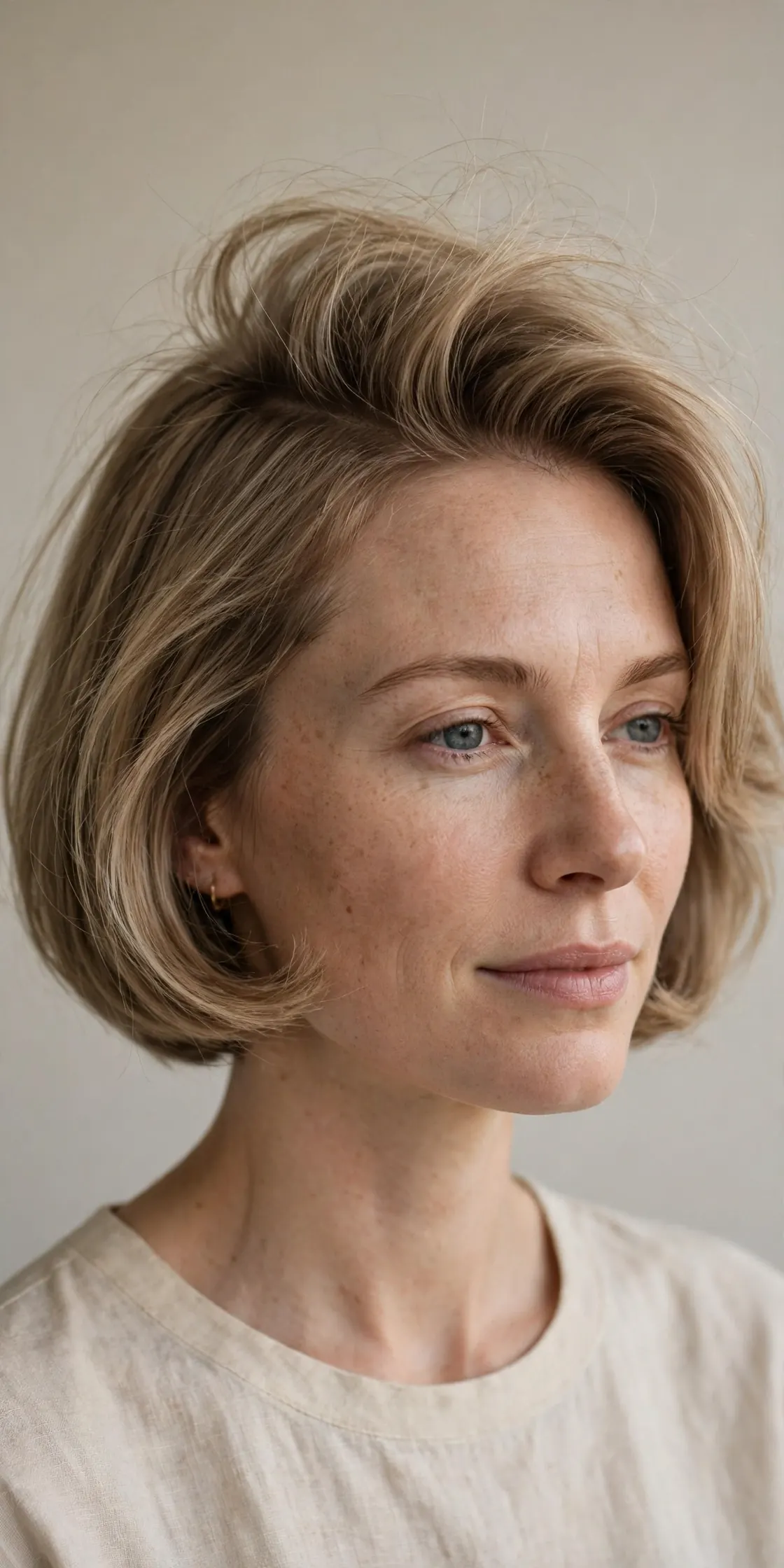
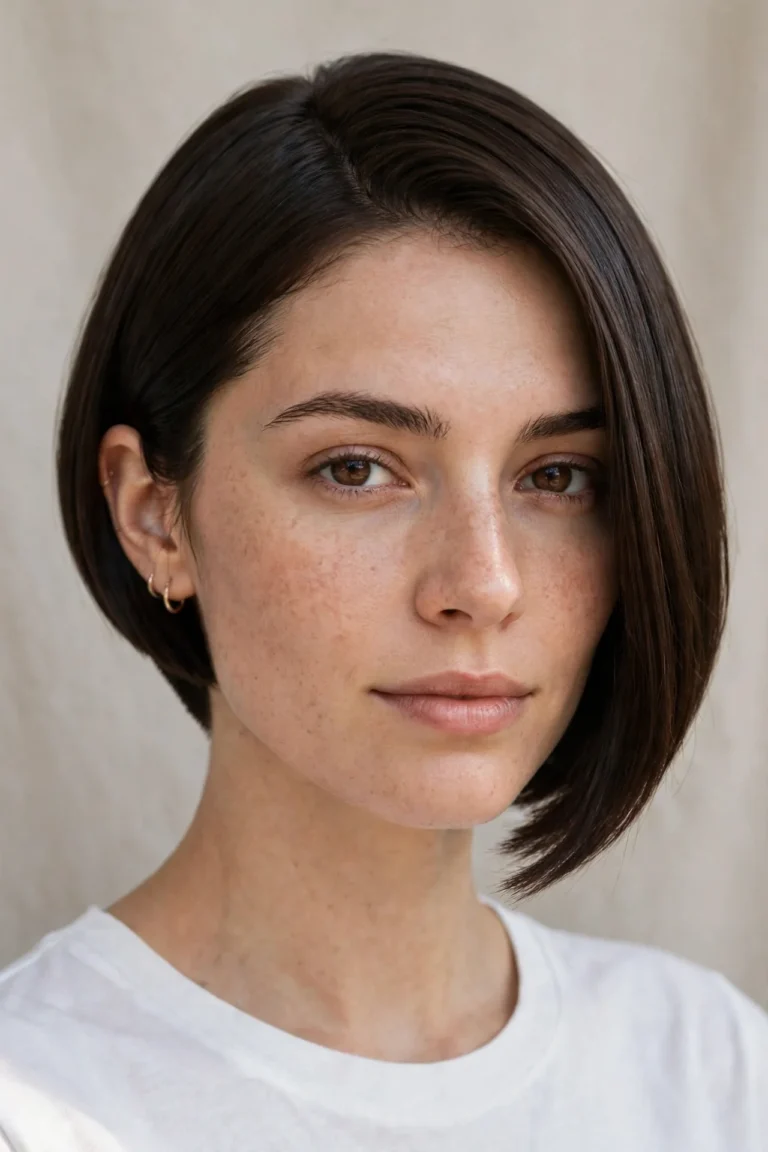
A deep side part transforms a simple French bob into a glamorous, volume-packed style, because sweeping most of your hair to one side instantly creates height at the crown and fullness across the forehead. The curved shape follows the line of your jaw, with the longer side falling just below the chin and the shorter side tucked neatly behind the ear. This version is wonderful for fine hair that parts naturally in the middle and falls flat, since the side sweep breaks up that symmetry and builds body. It suits oval, oblong, and heart-shaped faces, and it frames the cheekbones beautifully. Wear it sleek for evening or slightly tousled for daytime charm.
- Part your hair deeply on your preferred side while it is still damp.
- Blow-dry the heavy side away from your face for maximum lift.
- Apply root-lifting spray only to the heavier side to avoid stiffness.
- Smooth the shorter side behind your ear with a flat brush.
Ask your stylist for a bob that curves slightly under at the ends, with the front pieces a touch longer than the back so the side part falls naturally. A small round brush and a light-hold hairspray will keep the sweep in place without making fine hair crunchy. Revisit the part at each trim so the cut keeps working with it, and switch sides occasionally if you notice your hair thinning along a long-worn part line.
French Bob with Wispy Bangs for Fine Hair

Wispy bangs soften a French bob and draw attention to your eyes, while their feather-light texture avoids the heavy, solid fringe that can overwhelm fine hair. Because the bangs are cut with space between the strands, your forehead still shows through slightly, which keeps the look airy and prevents the top of your head from looking weighed down. This pairing suits long and oval faces best, since the bangs shorten the forehead visually and balance the jaw-length cut. It also works well if you have a high forehead or want to soften a strong brow line. The overall effect is youthful, romantic, and unmistakably French.
- Blow-dry your bangs forward with a small round brush, then sweep lightly aside.
- Apply a tiny amount of texturizing paste to separate the wispy pieces.
- Trim your bangs at home only if your stylist shows you how first.
- Refresh flat bangs with a quick blast of dry shampoo at the roots.
Ask for bangs that start narrow at the centre of your forehead and taper longer toward the temples, so they blend into the bob rather than sitting as a separate block. Tell your stylist you want wispy, not blunt, and that the bangs should be cut dry if your hair has any wave, so the length lands correctly. At home, keep bangs clean by washing just the fringe between full washes if it gets oily. Book a fringe trim every three to four weeks, since even a few millimetres of growth can push wispy bangs into your eyes.
Textured French Bob with Feathered Ends
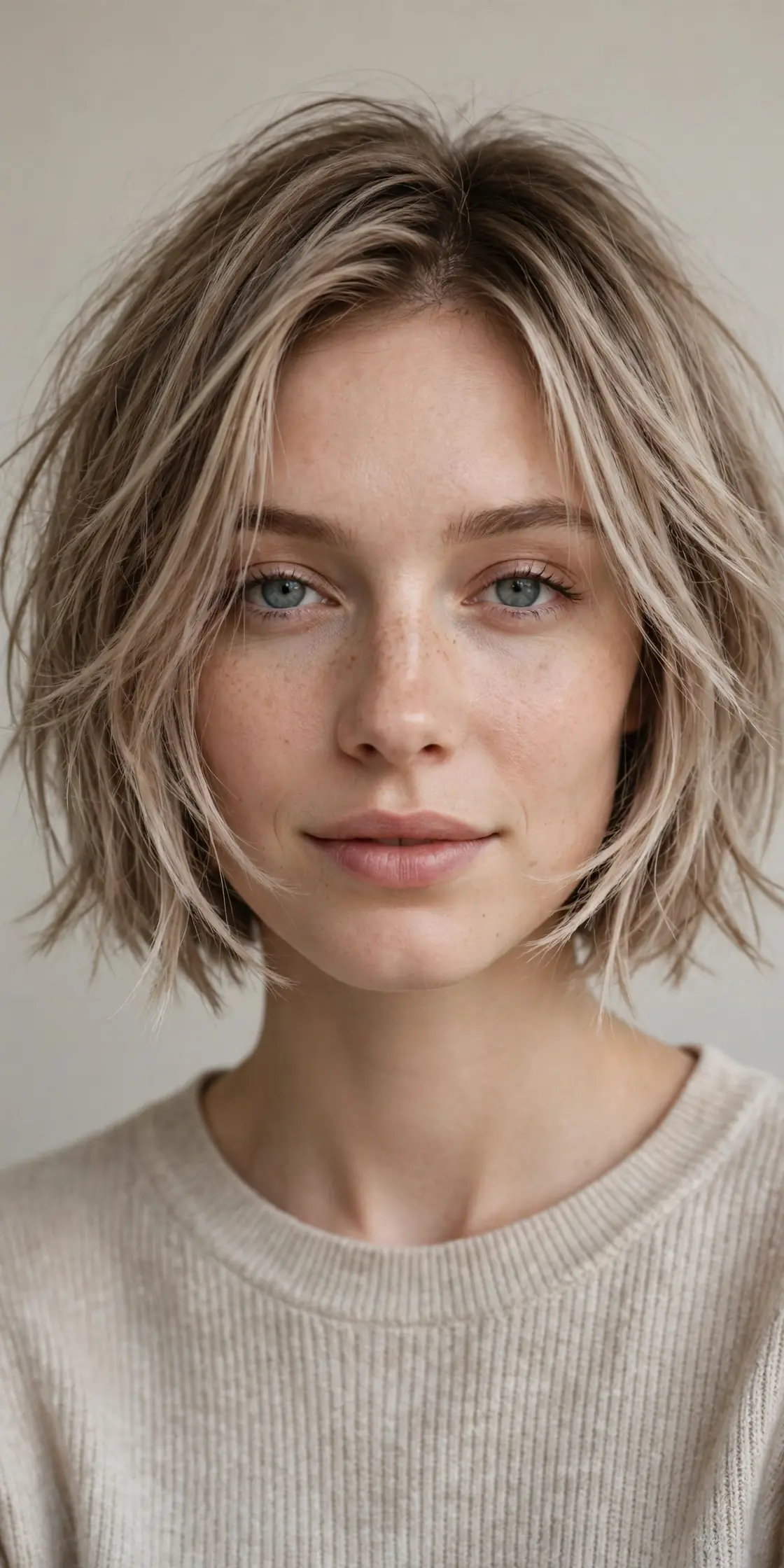
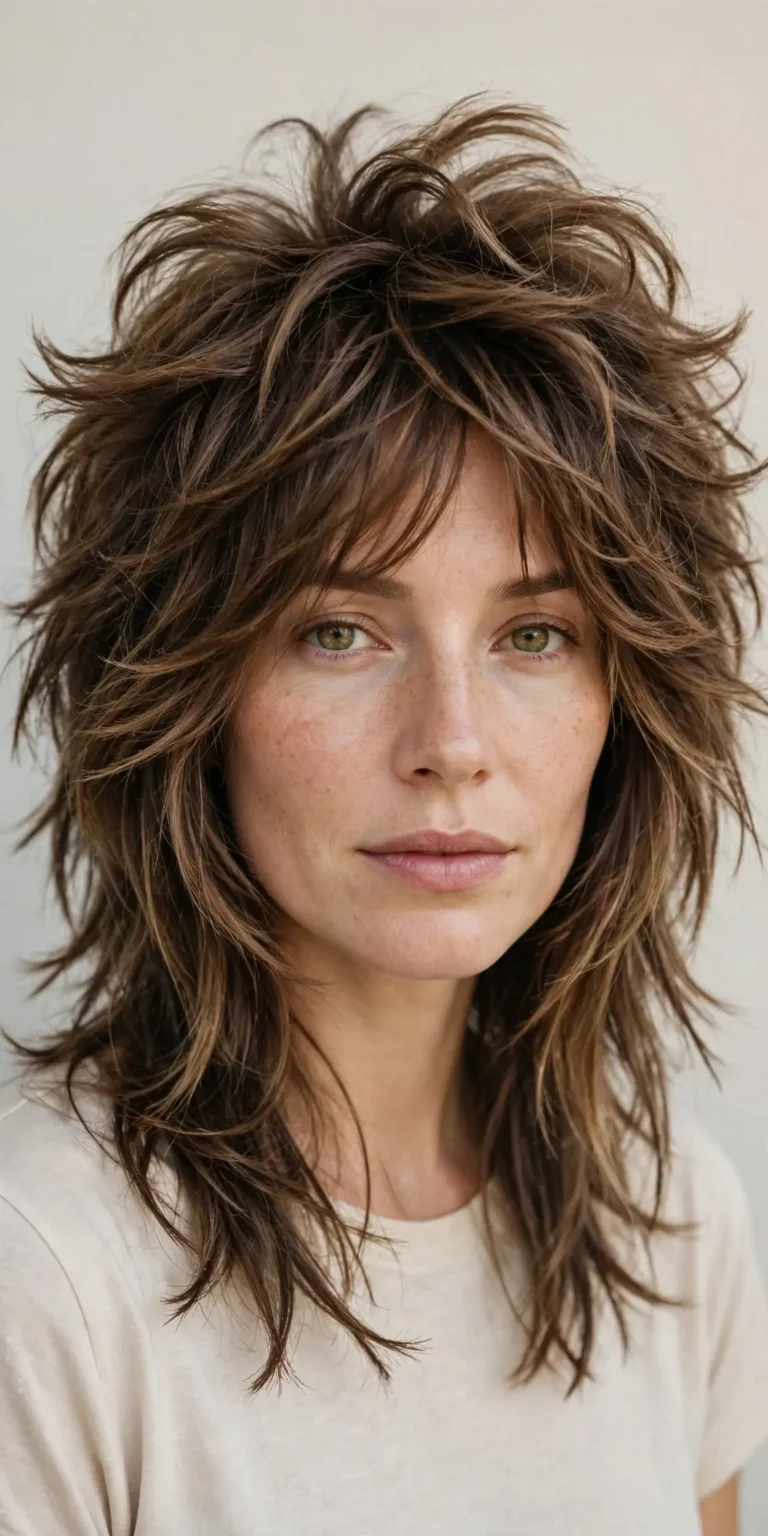
Feathered ends give a French bob a light, airy finish that stops fine hair from looking like a solid helmet, while keeping the overall shape full. Your stylist point-cuts the last centimetre or so of hair so the ends taper softly instead of ending in a hard line, which creates gentle movement and a slightly piecey texture. This cut is perfect if you love the French bob shape but find blunt ends too severe, and it suits straight fine hair as well as hair with a soft natural wave. It flatters square and round faces because the feathering softens the jawline, and it grows out more forgivingly than a blunt cut. For more inspiration on textured takes on this classic shape, explore these textured French bob haircuts, which show how feathering and choppy texture can add even more movement to short hair.
- Blow-dry with your fingers instead of a brush for a soft, piecey finish.
- Apply a dime-sized amount of lightweight styling cream to the ends.
- Twist small sections while drying to encourage feathered separation.
- Finish with a flexible-hold spray that keeps movement without stiffness.
Ask your stylist to feather only the very ends, keeping the bulk of the bob solid so fine hair still looks thick. Avoid razoring, which can fray fine ends and cause breakage over time; point-cutting gives you the same softness with a healthier finish. At home, a sea-salt spray used sparingly adds grip and texture, but skip heavy waxes that clump fine strands together. Trim every six to eight weeks to remove any split feathered ends, and use a weekly strengthening treatment to keep those delicate tips in good condition.
Blunt French Bob with a Subtle Undercut
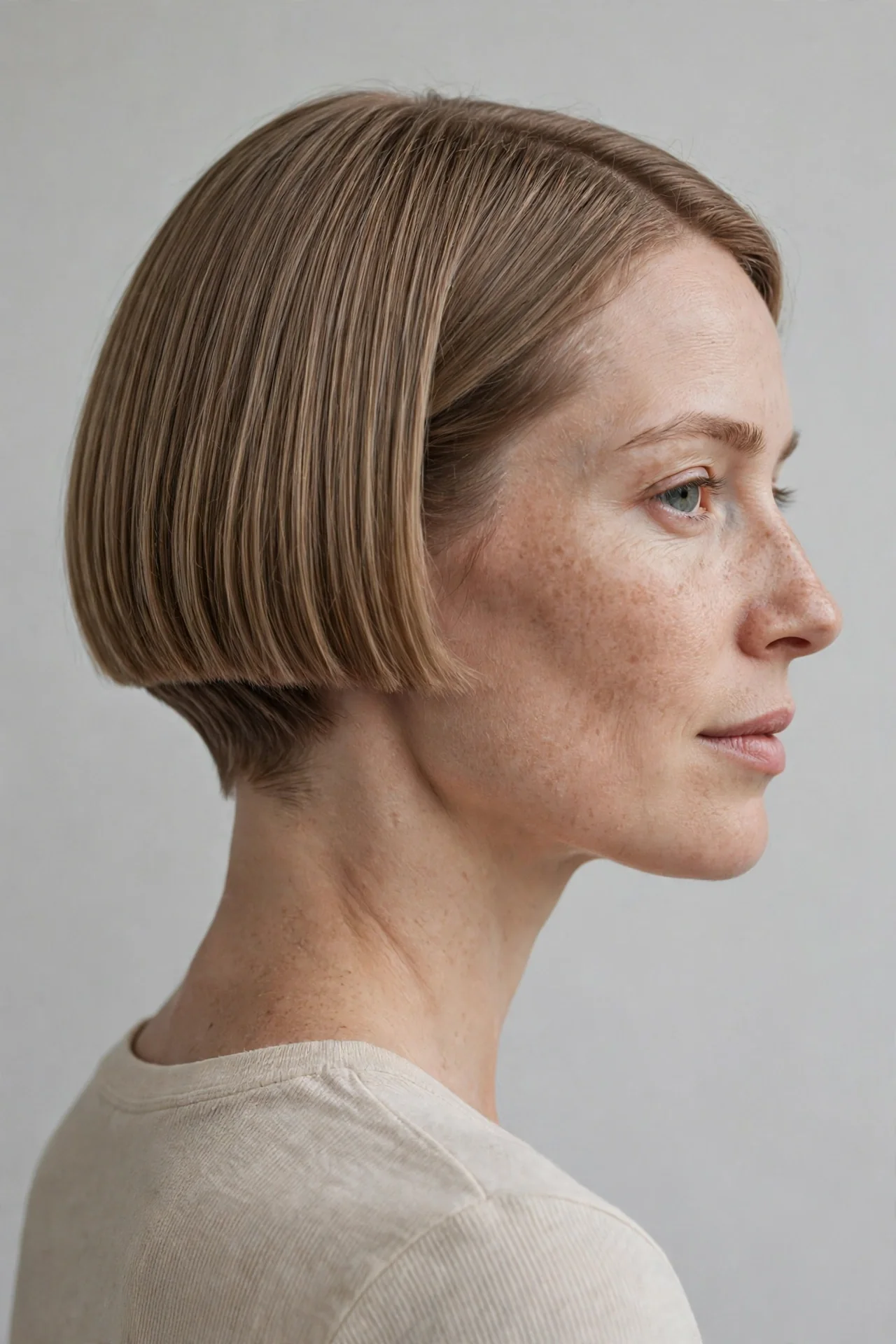
A subtle undercut hidden beneath a blunt French bob removes bulk from the nape without changing the full look from the front or sides, which sounds contradictory but works brilliantly for fine hair that still feels bulky at the neck. By trimming the very bottom layer underneath, your stylist lets the top layers sit closer to your head and swing more freely, so the bob looks lighter and moves better. From the outside, all you see is a crisp, dense-looking blunt bob. This version suits women with a lot of fine hair — high density but thin strands — and it is ideal if your bob tends to flip out at the nape.
- Blow-dry the nape section flat first, then smooth the top layers over it.
- Apply smoothing cream only to the outer layer to keep the shape sleek.
- Tuck the bob behind your ears on hot days to show the clean nape.
- Use a flat iron on the outer layer only for a polished finish.
Ask for an undercut that stays completely hidden when your hair is down, cut no higher than the bottom two centimetres of the nape. Make sure your stylist understands you want it for lightness and movement, not a shaved statement look. At home, you will find this bob dries faster than a standard blunt bob, which is a bonus for fine hair that is easily weighed down by long drying times. Keep the undercut tidy with a trim every five to six weeks, and let it grow out naturally if you decide to grow your hair longer — it simply blends back in.
Wavy French Bob with Air-Dried Texture
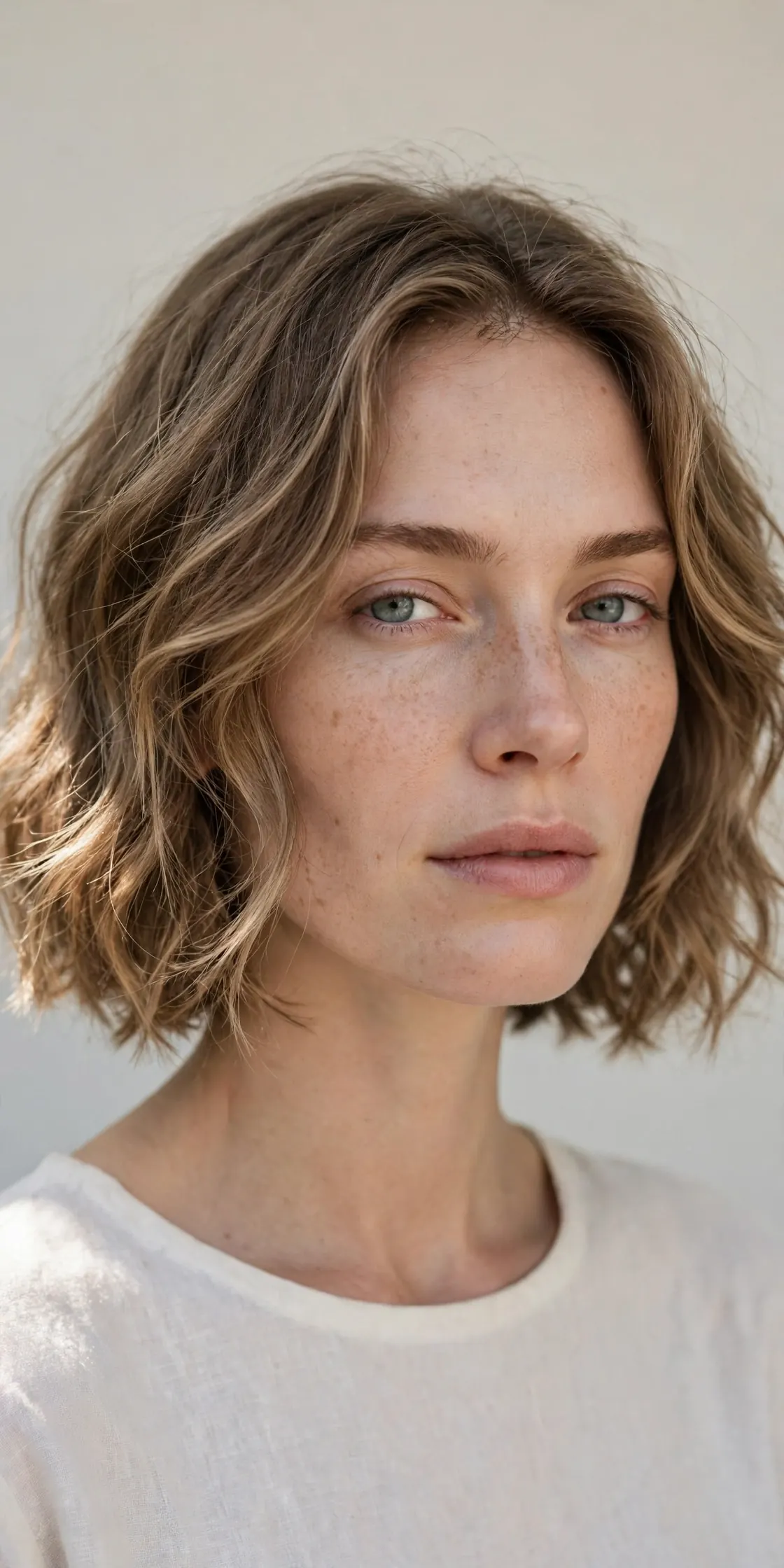
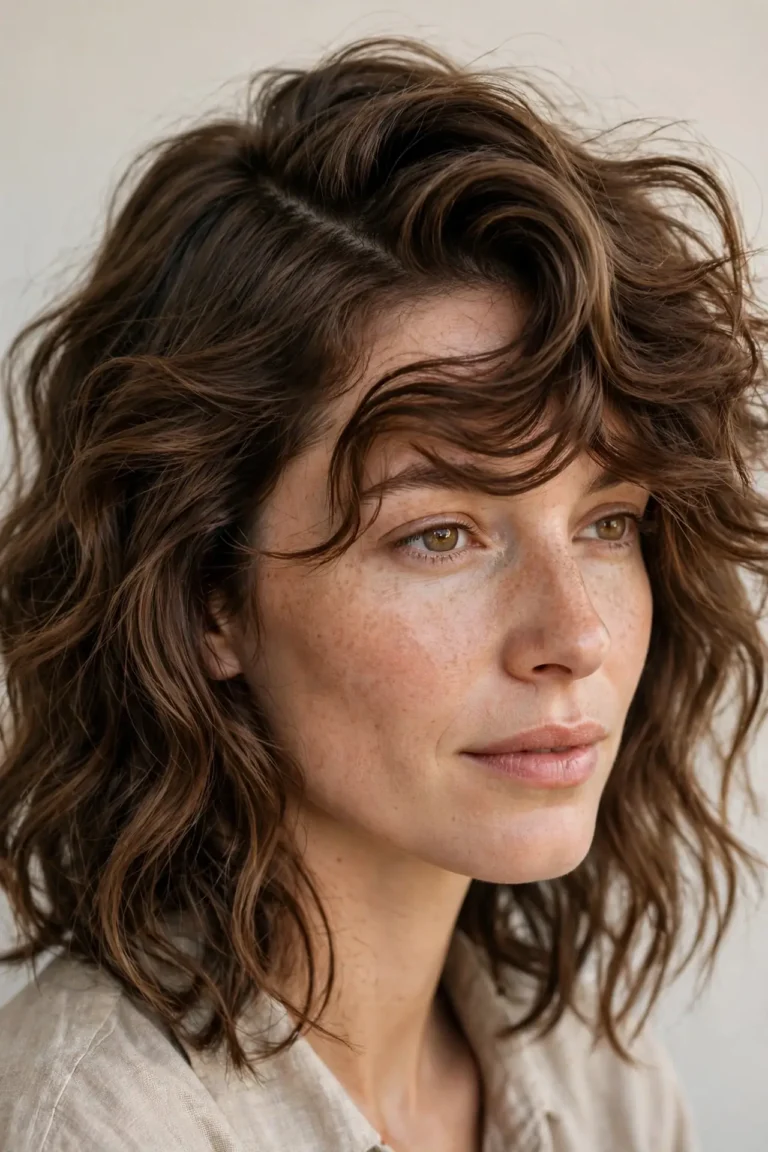
If your fine hair has a natural wave, a French bob lets that texture shine without the weight that pulls waves straight. Cut at jaw length, waves spring up and form soft, touchable bends rather than stretching into limp, uneven lengths. The key is a cut that works with your wave pattern, with ends that are left slightly uneven so the waves fall organically instead of in a stiff line. This version suits almost every face shape, since waves soften angles and add width where you need it. It is the lowest-maintenance French bob of all, because it is designed to be air-dried and left alone.
- Apply curl-enhancing cream to soaking wet hair, then scrunch upward.
- Air-dry without touching your hair until it is fully dry.
- Twist any flat sections around your finger to encourage a wave.
- Break up the cast gently with a drop of lightweight hair oil.
Ask your stylist to cut your bob dry or partially dry if your wave pattern is strong, so they can see how each wave falls at jaw length. Request soft, barely-there layers that follow your natural wave rather than fighting it. At home, skip the brush entirely once your hair is dry, since brushing breaks waves into frizz on fine hair. A silk pillowcase helps preserve waves overnight, and a morning refresh with a water mist and a little cream revives second-day texture. Trim every seven to eight weeks to keep the wave pattern bouncy.
French Bob with Curtain Bangs
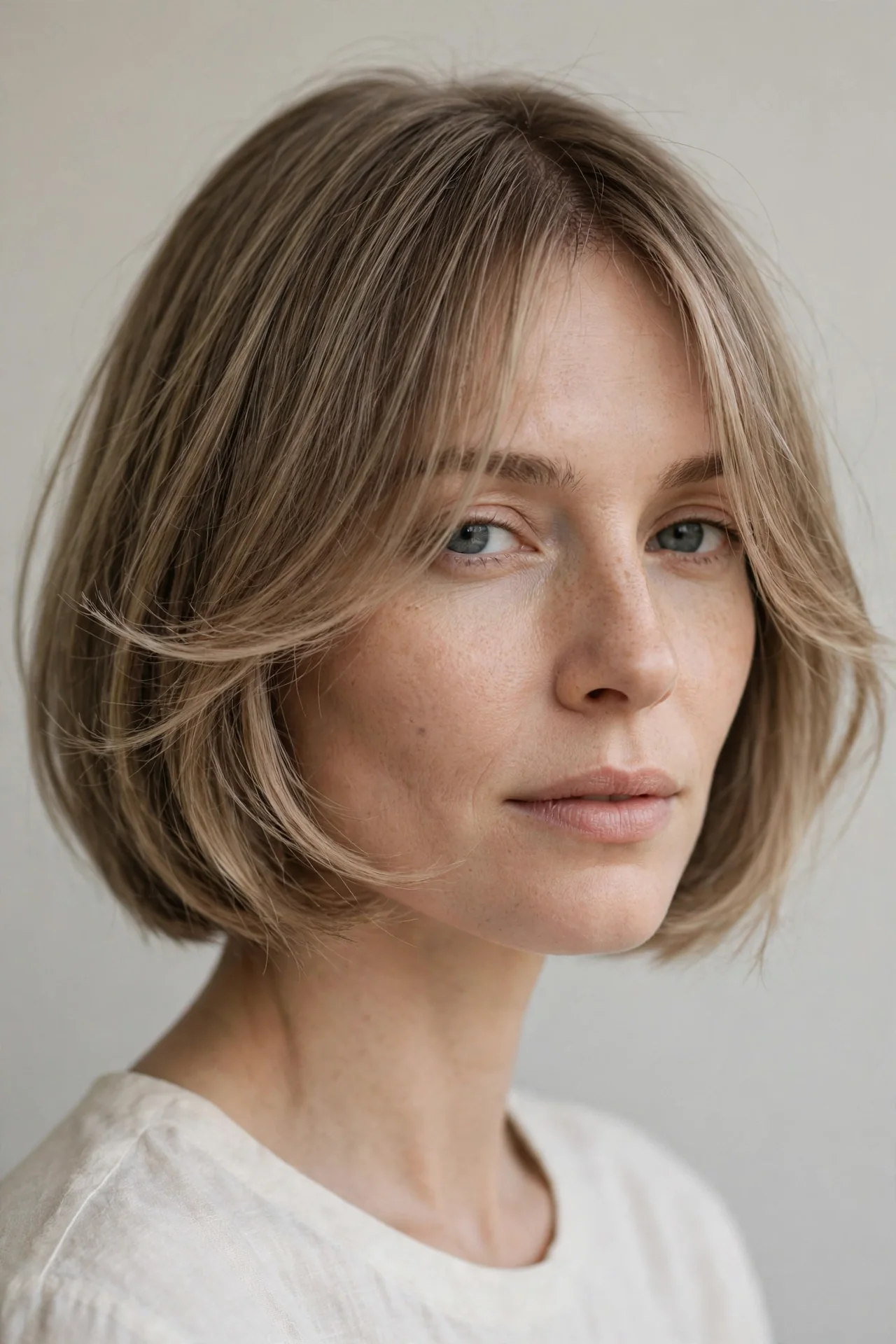
Curtain bangs paired with a French bob create a face-framing effect that opens up your features while keeping the short, chic length you love. The bangs part in the middle and sweep outward along the cheekbones, blending into the sides of the bob so there is no harsh line between fringe and cut. This pairing is wonderful for fine hair because the longer, sweeping bangs add width around the face without removing much density from the crown. It suits round, square, and heart-shaped faces especially well, since the diagonal sweep lengthens the face and softens the jaw. The look is romantic and easy to grow out.
- Blow-dry curtain bangs away from your face with a medium round brush.
- Apply volumizing mousse to the bang roots before drying for lift.
- Sweep each side outward and let it cool before touching it.
- Refresh curtain bangs with a velcro roller for five minutes on busy mornings.
Ask your stylist for curtain bangs that start at the cheekbones and blend into the bob’s front pieces, with the shortest point at the centre of your forehead sitting just above your brows. If your hair is very straight, a slight bend with a flat iron gives the bangs their signature sweep. At home, a root spray and a round brush are all you need for a polished finish, and the bangs can be pinned back easily on days you want them out of your face. Trim the bangs every four to five weeks, and remember that curtain bangs grow out gracefully into face-framing layers.
Asymmetrical French Bob for Fine Hair
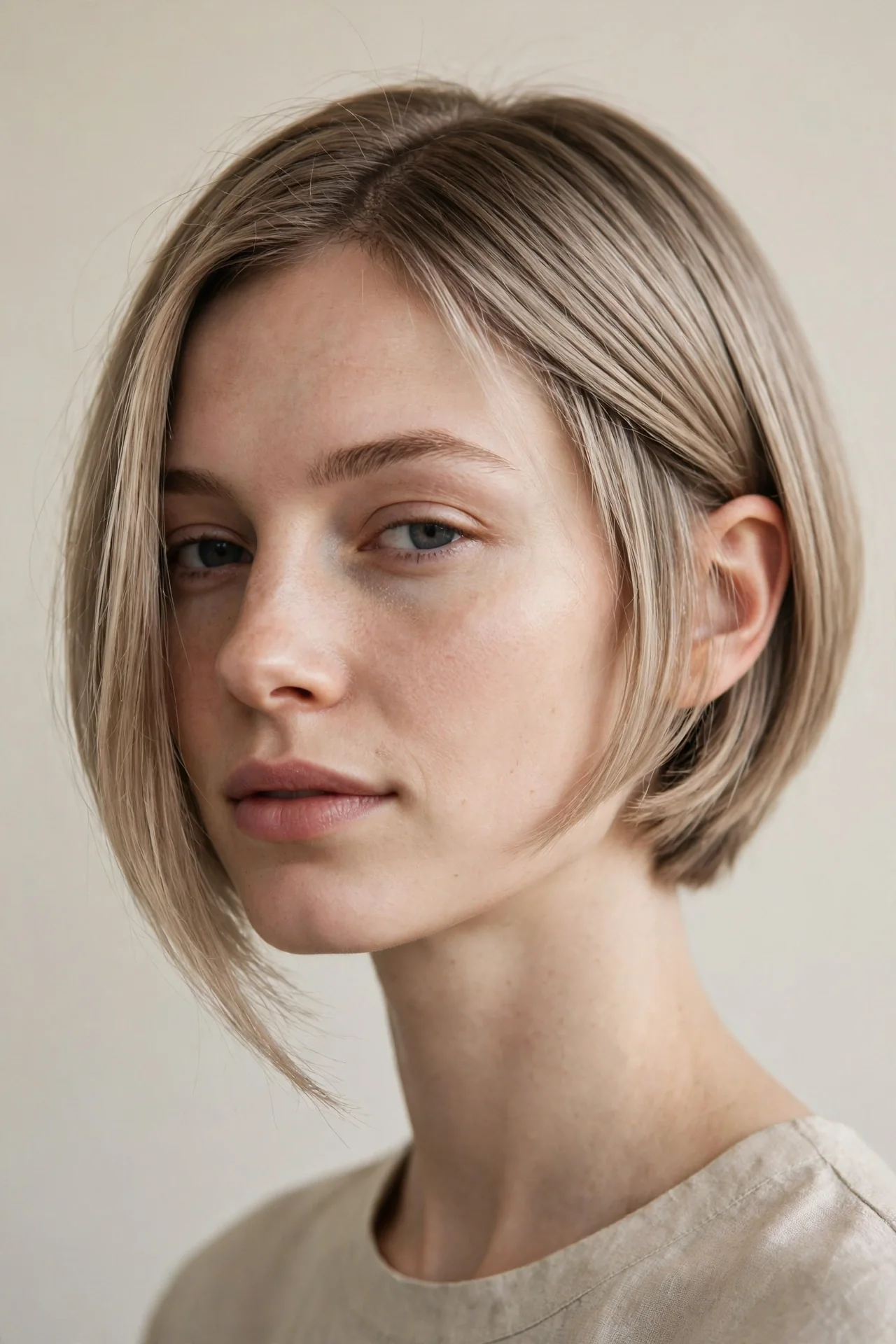
An asymmetrical French bob — slightly longer on one side than the other — adds instant drama and visual interest to fine hair, and the uneven line tricks the eye into seeing more fullness and movement. The difference can be subtle, just a centimetre or two, or more noticeable for a bolder statement, but either way the angled perimeter keeps the eye moving and stops fine hair from looking one-dimensional. This cut suits oval and round faces beautifully, since the longer side draws the eye downward and slims the face. It also works well if one side of your hair naturally falls flatter than the other, because the asymmetry turns that quirk into a design feature. Wear the longer side forward.
- Blow-dry the longer side forward and under for a sleek, angled finish.
- Apply smoothing serum sparingly to the longer side to highlight the line.
- Tuck the shorter side behind your ear to emphasise the asymmetry.
- Check the shape in a three-way mirror to keep both sides intentional.
Ask your stylist how much asymmetry you want before they start cutting, and check the length difference while your hair is dry, since wet hair can hide a centimetre or more. A subtle version is best if you want a professional, everyday look, while a stronger angle suits a fashion-forward style. At home, a flat iron helps keep the angled line crisp on straight fine hair, while a round brush adds a soft curve. Trim every six weeks to maintain the angle, because even growth gradually erases the asymmetry and turns the cut into a regular bob.
French Bob with Face-Framing Highlights
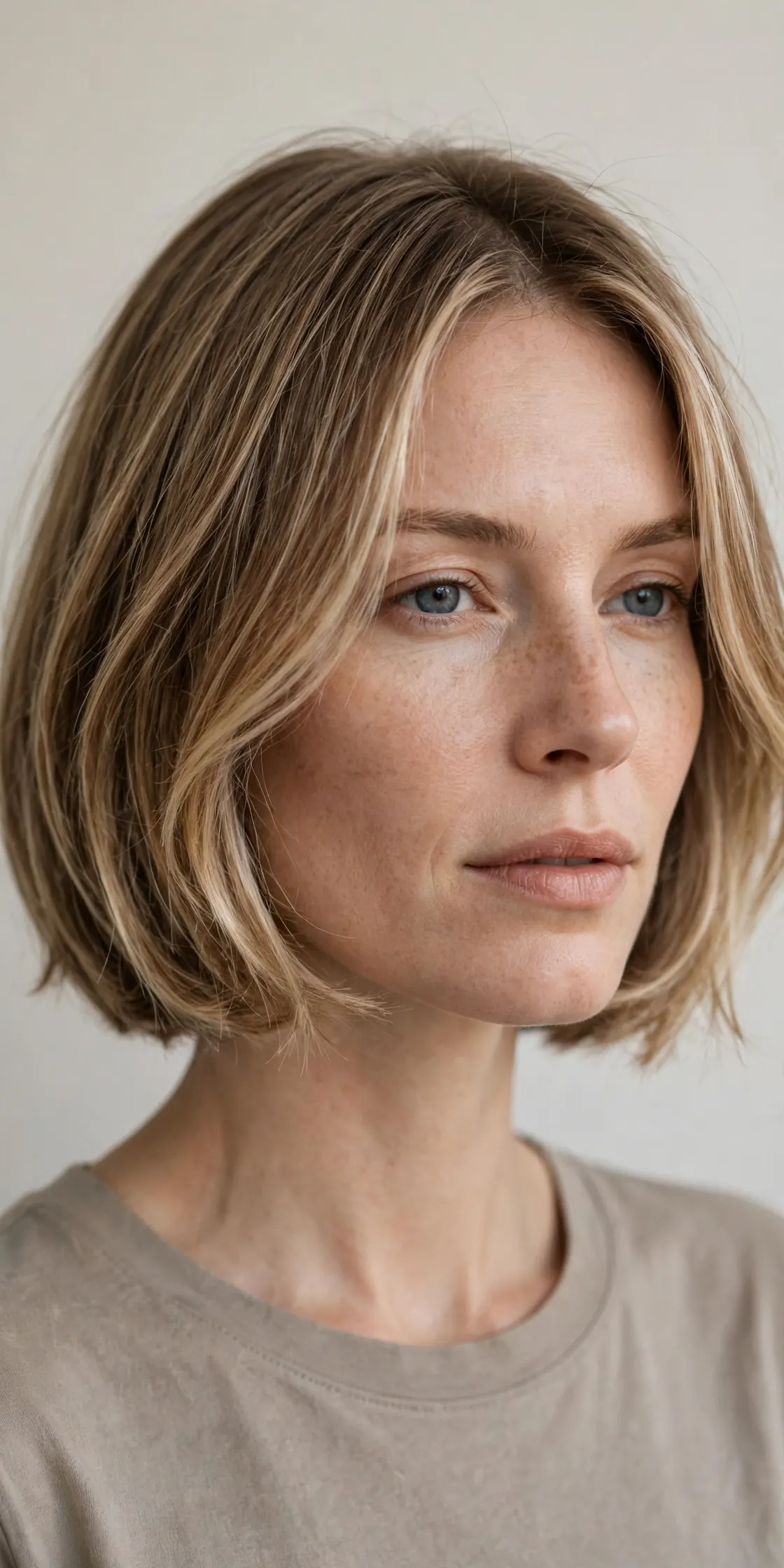
Face-framing highlights are one of the easiest ways to make fine hair look thicker, because lighter pieces around your face create depth and dimension that flat, single-colour hair lacks. On a French bob, a few soft highlights through the front sections and along the part catch the light as you move, making the cut look fuller and more textured than it really is. Choose a shade only one or two levels lighter than your base colour for a natural, sun-kissed effect, or go bolder with a brighter money piece if you love contrast. This version suits every face shape, since the placement can be tailored to highlight your cheekbones or eyes. It also grows out softly, with no harsh regrowth line.
- Blow-dry the highlighted sections forward so the lighter pieces frame your face.
- Apply a colour-safe leave-in conditioner to highlighted ends after washing.
- Use purple shampoo occasionally if blonde highlights start looking brassy.
- Protect highlighted hair from heat with a thermal spray before styling.
Ask your colourist for fine, blended highlights rather than chunky streaks, which can look stripey on short fine hair. A balayage or foil technique both work, but balayage tends to grow out more softly on a bob. At home, wash with lukewarm water and a sulphate-free shampoo to preserve the colour, and treat highlighted ends with a weekly mask, since fine hair can become dry after lightening. For guidance on gentle hair care and protecting fine or thinning hair from damage, the American Academy of Dermatology offers trustworthy, dermatologist-reviewed advice. Refresh the face-framing pieces every eight to ten weeks to keep the dimension bright.
Rounded French Bob with Volume at the Crown
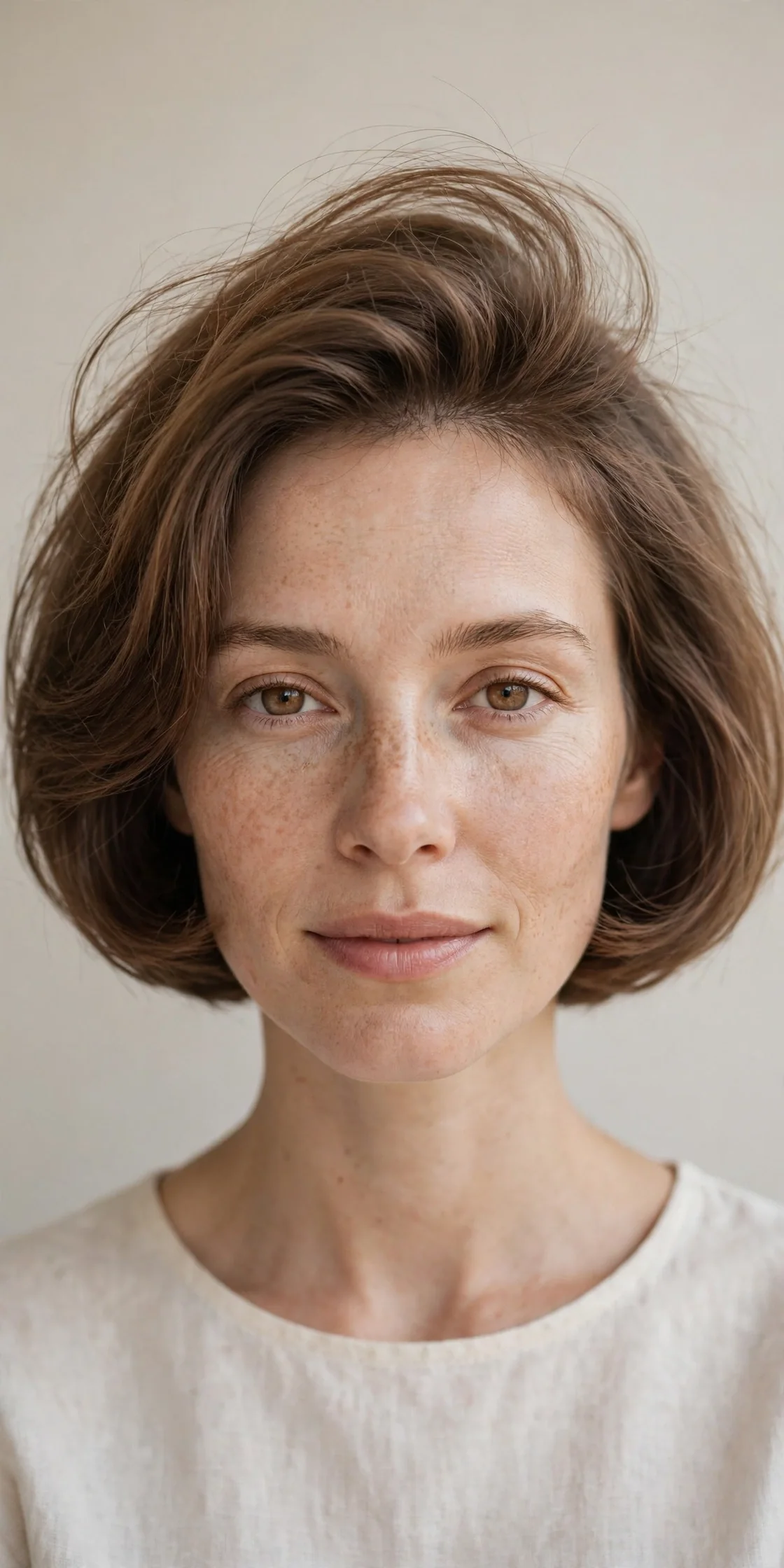
A rounded French bob builds shape through the crown and sides, curving gently inward so the silhouette looks like a soft, full bubble rather than a flat sheet. The roundness comes from subtle internal shaping and a curved cutting line, which gives fine hair the appearance of natural volume even without teasing or heavy products. This version is ideal if your hair is very straight and tends to hang limp, because the rounded shape creates width at exactly the right place — around the cheekbones and jaw. It suits long and oval faces best, since the width balances a longer face shape. The finish is polished and timeless.
- Blow-dry with a large round brush, rolling sections upward at the crown.
- Apply volumizing mousse throughout damp hair before drying.
- Backcomb gently at the crown only if you need extra height for an event.
- Set the rounded shape with a light mist of flexible hairspray.
Ask your stylist for a rounded shape with soft internal layers at the crown, keeping the ends full so the bubble shape does not thin out at the bottom. A slight graduation at the back can help the roundness sit correctly, but ask for it to stay subtle on fine hair. At home, drying your hair with your head tilted forward builds natural root lift, and velcro rollers at the crown for ten minutes add lasting volume. Trim every six weeks to keep the rounded silhouette intact, since growth quickly turns a rounded bob into a heavier, squarer shape.
Grown-Out French Bob with Soft Layers
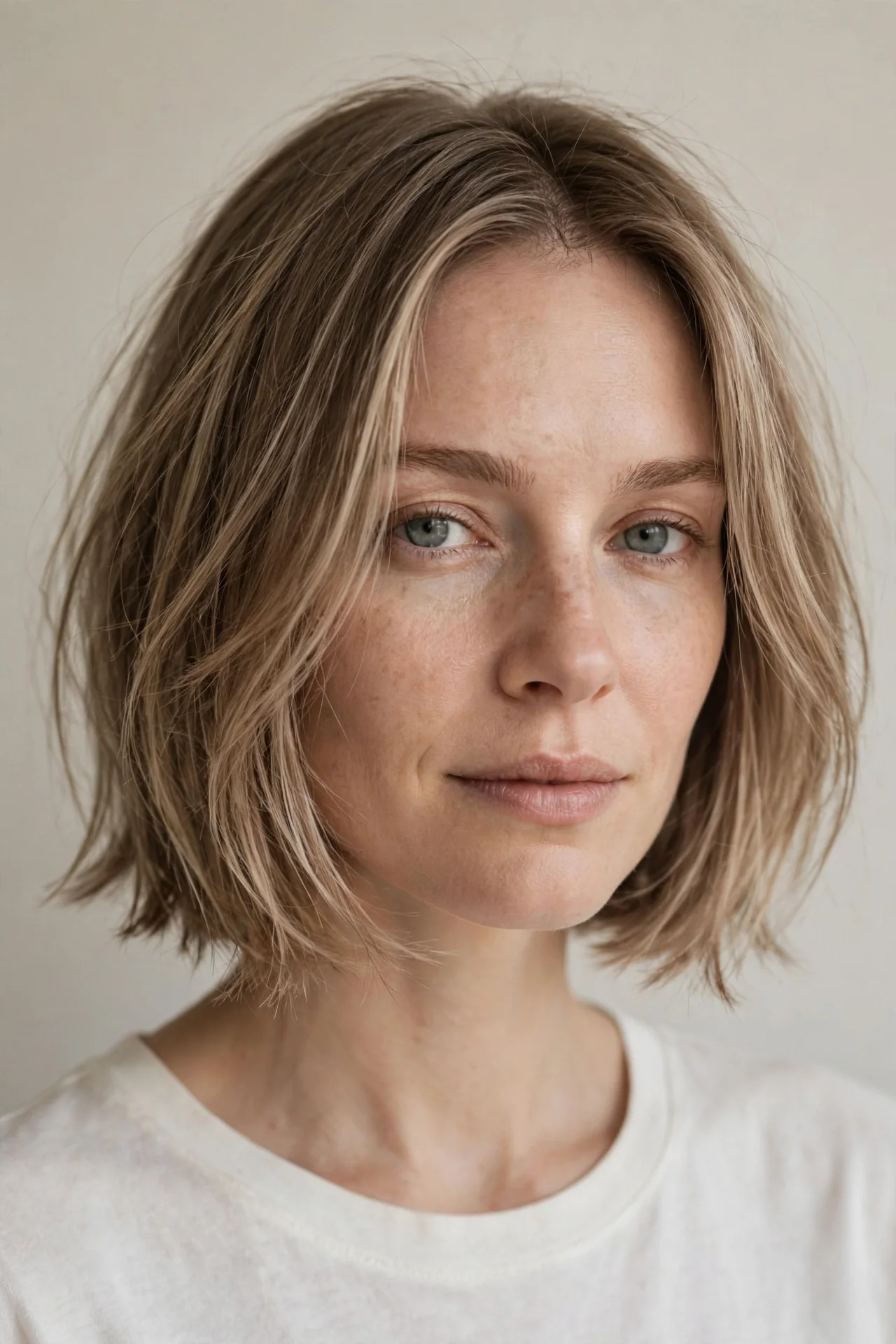
The grown-out French bob is for you if you love the French bob spirit but want a little more length and forgiveness between salon visits. Sitting just below the jaw or brushing the top of the neck, this version keeps the French bob’s chic, effortless shape while soft layers through the ends prevent the extra length from dragging fine hair flat. It is the perfect transitional cut if you are growing out a shorter bob or testing whether short hair suits you, because it never looks unfinished. This length suits round and square faces especially well, since the extra length below the jaw slims and elongates. It also gives you more styling options.
- Blow-dry the ends under with a medium round brush for a polished curve.
- Apply texturizing spray through the mid-lengths for soft separation.
- Twist the front pieces back loosely for an easy half-up style.
- Air-dry with a little cream on lazy days for a relaxed finish.
Ask your stylist for a bob that sits just below the jaw with soft, long layers through the ends only, keeping the top solid for fullness. This cut is deliberately low-maintenance, so a trim every eight weeks is usually enough, and the layers mean regrowth never looks blunt or heavy. At home, a lightweight mousse and a round brush give you a smooth finish, while a flat iron can straighten the ends for a sleeker look. If you decide to grow it further, the soft layers will carry you gracefully into a lob without an awkward stage.
Conclusion
The beauty of French bob haircuts for thin fine hair is that they do not fight your hair type — they work with it, using short length, full ends, and clever shaping to create the volume and polish that fine hair often lacks. Whether you choose the classic chin-length bob, a wavy air-dried version, or a grown-out style with soft layers, the right cut will make your mornings easier and your hair look fuller from every angle. Take these ideas to your stylist, point out the details you love most, and do not be afraid to start subtle and go shorter next time. If you want a slightly longer take on the same volume-building idea, these long bob hairstyles for thin fine hair are the natural next step once your French bob grows out.